






Blog
Are Portable Power Stations Worth It?

You notice the value of backup power when the lights go out, the freezer starts warming up, or the jobsite has no outlet within reach. That is when the real question lands fast – are portable power stations worth it, or are you better off with a generator?
The honest answer is yes for some jobs, no for others, and expensive mistakes usually happen when people expect one machine to do everything. Portable power stations are useful tools, but they are not a full replacement for fuel-powered backup power. If you want quiet, clean electricity for smaller loads, they can be a smart buy. If you need long runtime, high surge power, or whole-home backup, they often fall short.
Are portable power stations worth it for real backup use?
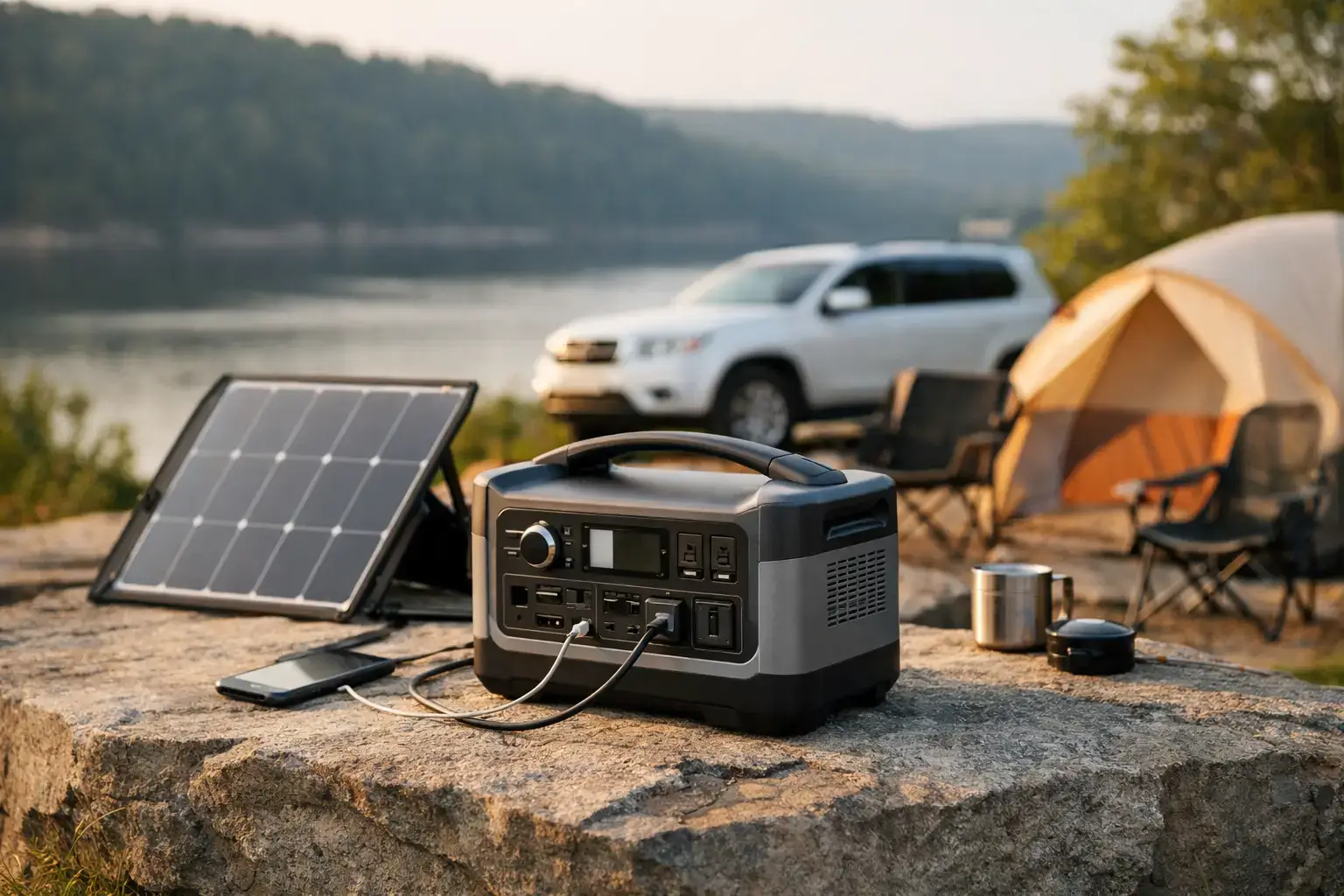
They are worth it when your power needs are modest and your priorities are convenience, low noise, and indoor-safe operation. A portable power station can run phones, laptops, routers, lights, cameras, battery chargers, small medical devices, and in some cases a compact fridge or CPAP machine. For camping, van use, mobile work, and short outages, that makes them genuinely practical.
They are less convincing when you need to power heavy loads like well pumps, electric heaters, large refrigerators, power-hungry tools, kettles, microwaves, or multiple appliances at once. That is where many buyers hit the limit. The battery may have enough capacity for a short run, but the inverter output and surge handling can still stop you from using the equipment you actually care about.
If your idea of backup power means keeping the basics alive for a few hours, a power station can be enough. If your idea means keeping a house, workshop, or remote cabin operating with confidence, a generator usually gives you more headroom for the money.
Where portable power stations make sense
The strongest case for a power station is clean and quiet portable electricity. There is no fuel to store, no pull cord, no exhaust, and no engine noise. You press a button and get usable AC or DC power. For indoor use during a blackout, that matters. You can run lights and communication gear inside safely, which you cannot do with a generator.
That simplicity is a real advantage for homeowners who do not want engine maintenance and for users who only need occasional backup. It also suits people working from a vehicle, in a shed, at an outdoor event, or on light-duty field tasks where silent power is more useful than raw output.
Another plus is low maintenance. You are not dealing with oil changes, fuel aging, spark plugs, or cold-start concerns. Charge it, store it correctly, top it up on schedule, and it is ready. For buyers who want preparedness without mechanical upkeep, that is appealing.
Portable power stations also pair well with small electronics and battery-powered tool ecosystems. If your workday depends on charging radios, drones, tablets, phones, inspection gear, and cordless tool batteries, a compact station can be efficient and easy to move.
Where they fall short
The weak point is simple – battery power is limited, and high demand drains it fast. Marketing can make a unit sound more capable than it is, but watt-hours disappear quickly once you plug in real equipment. A 1500W heater, hot plate, coffee maker, or large power tool can empty a battery much faster than buyers expect.
That matters even more in cold weather. Batteries generally do not perform at their best in freezing conditions, and charging limitations can become a factor. In Nordic and Baltic-style winter conditions, that is not a small detail. If your backup plan has to work in harsh weather, you should pay close attention to operating temperature, storage guidance, and charging behavior.
There is also the recharge problem. Once the battery is low, what is your plan? If grid power is still down, you need another source. Solar can help, but charging speed depends on panel size, daylight, weather, and season. In many real emergency scenarios, especially in winter, solar alone is not a reliable fast-turnaround solution.
This is why portable power stations can feel excellent for short interruptions but less reassuring for extended outages. A generator can keep going as long as you have fuel. A battery cannot.
Portable power station vs generator
This is the comparison that matters most.
A portable power station wins on noise, indoor safety, ease of use, and low maintenance. It is a strong fit for apartments, light recreational use, travel, and electronics. It is also useful where engine noise would be a problem or where you need power in enclosed spaces.
A generator wins on sustained output, refueling speed, heavy-load support, and value per watt for serious backup. If you need to run pumps, tools, kitchen appliances, freezers, or multiple circuits for hours or days, a generator is the more practical machine. It is built for work, not just convenience.
For some buyers, the right answer is not either-or. A power station can cover quiet indoor essentials, while a generator handles the heavy lifting outside. That setup gives you flexibility. You keep the router, phones, lights, and sensitive electronics running without noise indoors, while the generator takes care of the refrigerator, sump pump, or jobsite loads.
Are portable power stations worth it for camping, work, and home?
For camping, they are often worth it if your idea of camping includes comfort and charging, not electric cooking and heating. They are excellent for lights, coolers, small fans, camera gear, and keeping devices alive. They are less useful if you expect them to replace a full fuel-powered camp setup.
For mobile work, they are worth it when the load profile is light and intermittent. Charging inspection tools, powering a laptop, running a small printer, or topping up batteries is one thing. Running saws, compressors, heaters, or demanding site equipment is another. Tradespeople should buy based on actual wattage, not wishful thinking.
For home backup, it depends on your expectations. If you want a quiet emergency unit for communications, lighting, and a few low-draw devices, it can be a solid piece of kit. If you want to ride out a storm with refrigeration, pumping, cooking support, and broader appliance coverage, you will likely need a generator.
What to check before buying
Start with output wattage and surge rating. Many disappointments come from focusing only on battery capacity. Capacity tells you how long it may run. Output tells you what it can run in the first place.
Then look at battery size in watt-hours and calculate your real loads. A laptop and modem are easy. A refrigerator is more complicated because startup surge and cycling behavior matter. A power station that looks large on paper can still be undersized for the appliance you care about most.
Port selection matters too. AC outlets, USB-C, 12V outputs, and charging speed all affect usability. If you rely on fast charging for work devices or need to support several items at once, check the details instead of assuming all units are similar.
Weight is another trade-off. Bigger battery usually means more runtime, but also more bulk. If you need to carry it across a property, lift it into a vehicle, or move it around a site, portability needs to be real, not just printed on the box.
Finally, think about ownership beyond day one. Warranty support, spare parts availability where relevant, and clear technical guidance matter more with power equipment than with ordinary consumer electronics. That is one reason buyers often prefer a specialist equipment retailer over a general marketplace.
The value question comes down to use, not hype
So, are portable power stations worth it? Yes, when you need clean, quiet, simple power for electronics, short outages, travel, light field work, or indoor emergency use. No, if you expect them to deliver the same confidence, runtime, and heavy-load performance as a generator.
The better question is what problem you are trying to solve. If it is silence, convenience, and low-maintenance backup for smaller loads, a portable power station can earn its place quickly. If it is serious standby power in rough conditions, you should be looking hard at generator output, fuel strategy, and cold-weather readiness.
Buy for the job you actually have. That is how backup power stays useful when the pressure is on.
