






Blog
Portable Generator Cold Weather Review

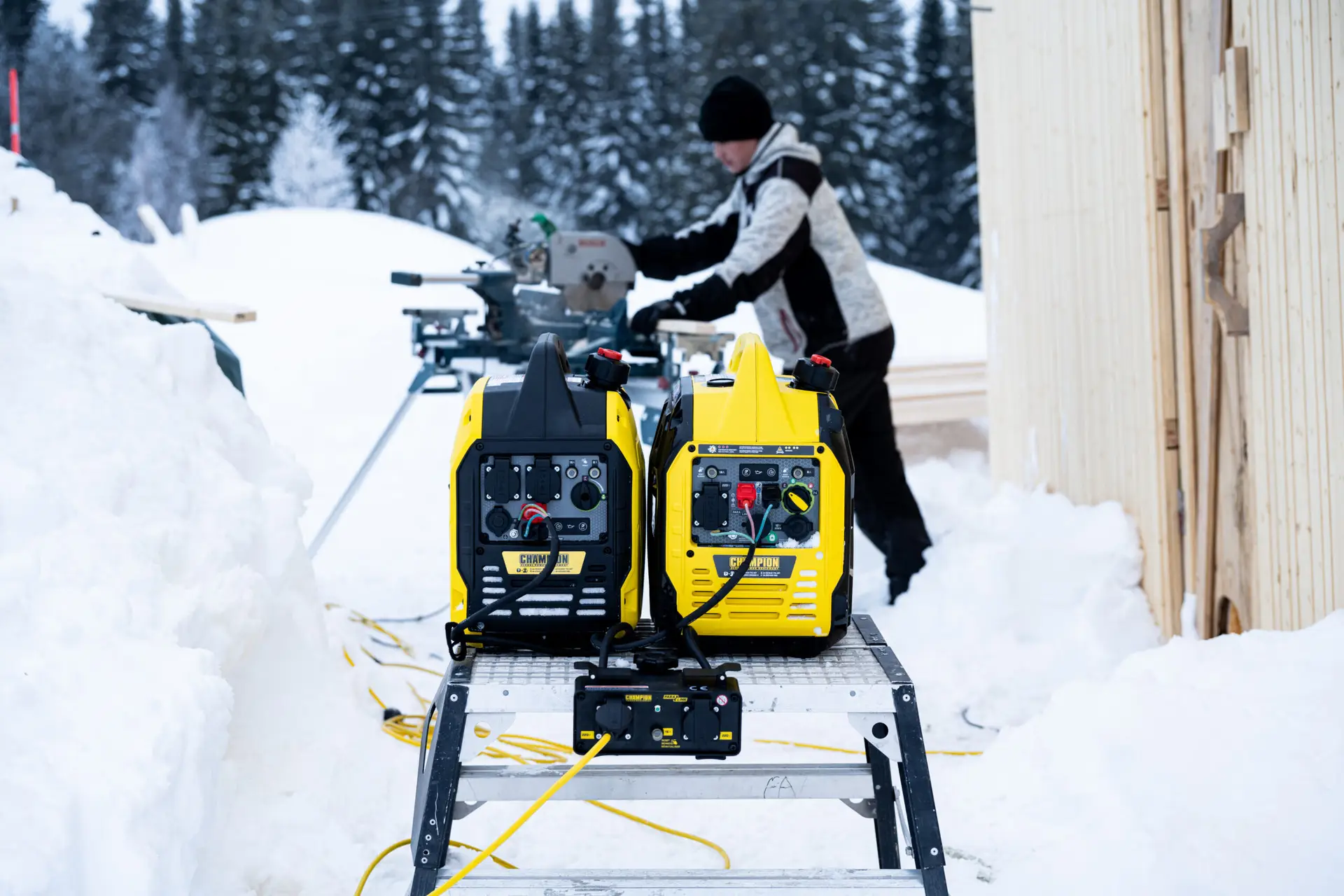
A generator that starts fine in October can turn stubborn fast when the temperature drops below freezing. That is why a portable generator cold weather review needs to focus on more than peak wattage or runtime on paper. In real winter use, cold starts, fuel behavior, battery condition, and load handling matter just as much as the spec sheet.
If you need backup power for a home, electricity at a remote cabin, or reliable output on a work site, winter changes the rules. Some machines keep working with very little fuss. Others need more planning, better fuel management, or a different engine type to stay dependable. The right choice depends on where and how you plan to use it.
What a portable generator cold weather review should actually test
Cold weather exposes weaknesses quickly. A generator can look strong in a product listing, but low temperatures put stress on the starting system, the fuel system, the oil, and the battery if the unit uses electric start. That is why winter reviews should not stop at output numbers.
The first thing to judge is starting reliability after sitting in the cold. Recoil start units can still work well in winter, but the effort goes up as oil thickens and engine resistance increases. Electric start models are more convenient, though battery performance drops in cold conditions. A good winter-ready unit is one that starts without a long fight and stabilizes quickly under load.
The second test is how the generator handles real appliances in low temperatures. Space heaters, sump pumps, well pumps, battery chargers, lights, refrigerators, and power tools all behave a little differently in winter demand patterns. Starting surge matters. So does voltage stability. If you are powering electronics, an inverter generator has a clear advantage, but if you are running heavier tools or larger backup loads, a conventional portable generator may offer better raw capacity for the money.
Noise also matters more in winter than many buyers expect. Cold, still air can make engine noise carry farther. For home backup in residential areas, quiet operation is not just a comfort feature. It can shape which generator you are actually willing to run for hours at a time.
Fuel type matters more in freezing weather
The biggest split in any cold-weather generator review is fuel type. Petrol, dual fuel, and diesel units all have strengths, but winter use changes the trade-offs.
Petrol generators
Petrol generators are often the easiest starting point for homeowners because they are simple, common, and widely understood. In cold weather, a quality petrol generator can start reliably if the fuel is fresh, the oil grade is appropriate, and the engine is maintained. Carbureted engines can become more sensitive in freezing conditions, especially after storage, but a well-prepared unit is still a practical choice for many users.
For occasional backup power, petrol works well because the generator is usually portable, straightforward to service, and easy to move where needed. The weak point is storage discipline. Old fuel creates more problems in winter, not fewer.
Dual fuel generators
Dual fuel models deserve serious attention for winter use. The ability to run on gasoline or LPG gives you flexibility when one fuel source is less convenient or less stable in storage. For emergency backup, that flexibility is a real advantage. If gasoline quality is uncertain or you want a second fuel option on hand, dual fuel can make the difference between having power and having a generator that is useless when you need it.
That said, performance can vary by fuel source. Some units deliver slightly lower output on LPG than on gasoline. In cold weather, that matters if you are already running close to the machine’s limit. A dual fuel generator is often the smarter all-around choice, but only if you size it with that power difference in mind.
Diesel generators
Diesel generators are known for durability, fuel efficiency, and long-run work capability. For heavy-duty applications, they remain a strong option. But winter is where diesel demands more attention. Fuel gelling, harder starting, and the need for proper seasonal fuel management make diesel less forgiving for casual users.
If you operate regularly in severe cold and need extended runtime or higher-duty performance, diesel still has a place. For occasional residential backup, though, it can be more machine than some buyers need, and less convenient if winter prep is not done right.
Inverter vs conventional in winter use
This is where many buying decisions become clearer.
Inverter generators
Inverter generators are usually the better fit for home backup of essentials, camping, mobile work, and any setup where low noise and stable power matter. They are compact, easier to carry, and safer for electronics. In winter, that quiet operation is especially useful around homes, cabins, and enclosed work areas where noise fatigue builds fast.
The trade-off is output. Many inverter models are not the right answer if you need to start large pumps, run multiple high-draw tools, or cover a broad household load without strict power management. They shine when the load is controlled and portability matters.
Conventional portable generators
Conventional models usually bring more starting watts and running capacity at a lower cost per watt. For storm backup, workshops, farm buildings, and tool-heavy use, that extra headroom can be the difference between smooth operation and constant load juggling.
In a cold weather review, conventional generators often score well on straightforward job performance. They are less about refinement and more about delivering power under pressure. The downside is usually higher noise, more weight, and less clean output for sensitive electronics unless the model is specifically designed to manage it.
Cold-weather performance factors buyers often miss
A lot of winter generator trouble starts before the first pull or button press. The machine itself may be fine, but setup and maintenance decide whether it performs like it should.
Oil choice is one of the biggest factors. Oil that is too thick for the season makes cold starts harder and increases engine strain. The right seasonal oil improves starting, lubrication, and early run stability. This is not a minor detail. In freezing temperatures, it directly affects whether the generator comes to life cleanly or turns into a slow, frustrating start attempt.
Battery condition matters just as much on electric start units. Cold weather reduces battery output, so a weak battery that still worked in mild weather may fail when the temperature drops. If winter readiness matters, battery maintenance is not optional.
Storage also plays a major role. A generator kept in an unheated shed will behave differently from one stored in a more protected space. You still need safe outdoor operation with proper ventilation once it is running, but reducing cold soak before startup can help with reliability.
Then there is load management. Winter outages often tempt users to connect too much at once. Refrigeration, lights, heating support equipment, chargers, pumps, and tools can create a startup spike that overwhelms a generator that looked large enough on paper. In cold weather, a unit with some extra margin is usually the safer buy.
What type of generator makes sense for different winter jobs
If your main concern is emergency home backup for essentials, an inverter generator or a well-sized dual fuel model is often the most practical option. You get easier ownership, better flexibility, and enough power for lights, refrigeration, charging, and selected household circuits if your load plan is realistic.
For rural properties, cabins, pumps, outbuildings, and heavier-duty work, more output usually matters more than compact size. A larger portable generator with strong starting wattage is a better fit when you expect motors, tools, and multiple loads to overlap.
For trade use and field work, reliability under repeated cold starts matters as much as rated output. A generator that handles transport well, starts consistently in the morning, and runs stable for tools and chargers is worth more than a unit with a bigger number and weaker winter manners.
So what does a good winter-ready generator look like?
A strong winter unit is not just powerful. It starts reliably in the cold, uses a fuel system you can manage confidently, matches the loads you actually plan to run, and has parts and maintenance support you can keep up with. Dual fuel is often the most flexible choice. Inverter models are the better option for quiet, clean power. Conventional units still lead when high-demand work is the priority.
There is no single winner for every user. A homeowner protecting a freezer and lights needs a different machine than a landowner running pumps and tools in below-freezing conditions. The best choice is the one that keeps working when the weather stops being cooperative.
Buy for the coldest day you expect, not the mildest day in the brochure. That is usually where the right generator proves its value.
