




Blog
Inverter Generators Estonia: What to Buy

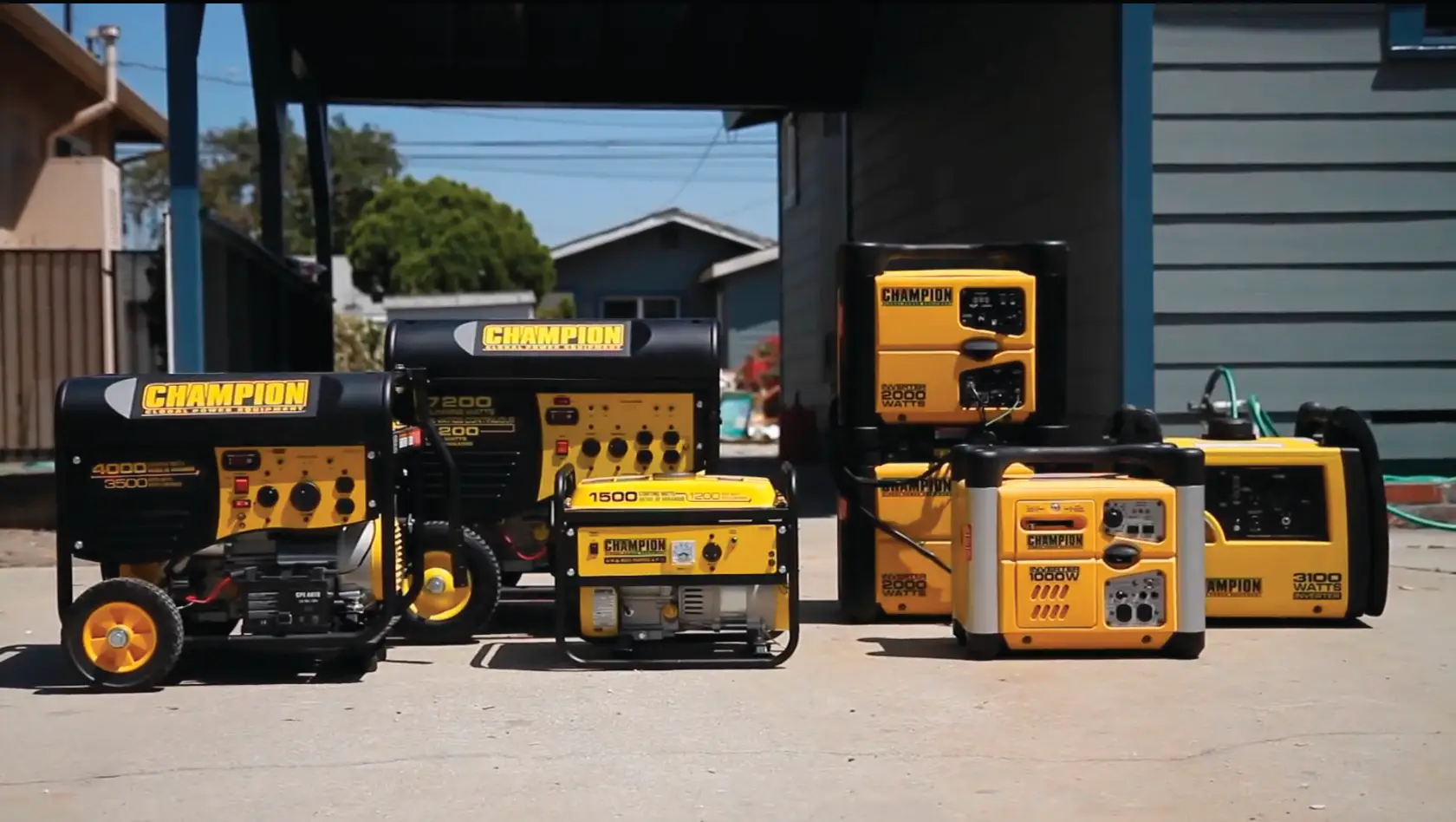
Power problems in Estonia are rarely theoretical. A winter outage, a remote jobsite, a cabin with limited grid access, or a trailered setup that needs clean portable electricity all demand equipment that starts fast and runs steady. That is why inverter generators Estonia buyers look for are usually judged on three things first – reliability, noise, and whether they can safely power modern electronics.
An inverter generator is not just a smaller generator with a nicer label. It produces cleaner power, adjusts engine speed to match load, and is usually easier to move and quieter to live with. For homeowners, landowners, and field users, that means less fuel wasted at light loads, fewer headaches around sensitive devices, and a machine that is more practical for regular use instead of only emergency use.
Why inverter generators make sense in Estonia
Estonia has a mix of use cases that put inverter models in a strong position. Rural homes need backup power that can handle outages without rattling the whole property. Cabin owners want something compact enough to transport and quiet enough not to dominate the weekend. Tradespeople and mobile crews need stable output for chargers, tools, lights, and electronics in places where grid access is limited.
Cold weather matters too. A generator that looks fine on paper can be frustrating if it is hard to start in low temperatures or if fuel use becomes excessive during longer runs. Inverter models are often chosen because they combine portability with better fuel efficiency at variable loads. That matters when the generator is not feeding full demand every minute of the day.
There is a trade-off, though. If your main goal is to run a whole house with electric heating loads, a larger conventional unit or a heavier backup setup may be the better fit. Inverter generators are strongest when you need clean, controlled, portable power rather than maximum brute output for the lowest upfront cost.
How to choose inverter generators Estonia buyers actually need
The right generator starts with your real load, not the biggest number printed on a box. Many buyers either undersize the machine and end up tripping overload protection, or oversize it so much that they carry extra weight and spend more than necessary.
Start with wattage, not guesswork
Think in two categories – what must run, and what would be nice to run. A refrigerator, a few lights, a router, battery chargers, and maybe a small pump create a very different demand than space heaters, large compressors, or full kitchen use.
If you are shopping for home backup, the practical question is usually whether you want survival power or comfort power. Survival power keeps essentials running. Comfort power adds convenience and more simultaneous devices. For camping or cabin use, the question shifts toward runtime, portability, and low noise rather than high total output.
Also remember starting watts. Some devices need a brief surge to start, especially motors and compressors. If the generator only covers running watts, it may still struggle in real use.
Clean power is a real advantage
Inverter generators are favored for electronics because they provide stable power with low harmonic distortion. That means safer operation for laptops, phones, battery charging systems, TVs, and many modern control boards. If your backup plan includes more than lights and resistive loads, this is one of the biggest reasons to choose an inverter model.
This is especially relevant in homes and workshops where expensive electronics are part of the load. A rougher power source can still run some equipment, but there is no point taking unnecessary risk when cleaner output is available.
Noise level changes how often you use it
A generator that is technically capable but painfully loud often gets used less than intended. That matters for cabins, neighborhoods, campsites, and work near occupied buildings. Inverter models are usually enclosed and designed for quieter operation, especially at partial load when engine speed drops.
If you expect to run power in the evening, through an overnight outage, or close to other people, noise should be treated as a core buying factor, not a minor detail. Quiet operation is not about comfort alone. It broadens where and when the generator is realistically usable.
Fuel efficiency and runtime in real conditions
Fuel economy is one of the strongest arguments for an inverter generator, but it depends on how you use it. When load changes throughout the day, the engine can throttle down instead of running flat out all the time. That usually means longer runtime per tank and less fuel hauled, stored, or burned.
For cabin users and field operators, this has obvious value. Less refueling means less interruption. For backup use, it can also make overnight operation easier to manage.
Still, runtime claims should be read carefully. Manufacturers often quote long runtimes at low load. If you are running a heavier mix of appliances, expect shorter real-world figures. Cold weather can also affect performance, startup behavior, and fuel handling. In Nordic conditions, practical readiness matters more than optimistic brochure numbers.
Portability matters more than many buyers expect
A generator that is easy to move gets used. A generator that is awkward, too heavy, or difficult to load often ends up staying in one place, which limits its value. This is one reason inverter generators are popular for mixed-use ownership. The same unit may cover home backup, outdoor projects, hunting camp, mobile work, and event power.
Look closely at weight, handle design, wheel kits if available, and overall shape. Compact dimensions matter if the unit has to fit in a truck bed, utility vehicle, shed, or crowded workshop. For one-person handling, the difference between manageable and annoying is often smaller than buyers expect.
When parallel capability is the smarter move
Some inverter generators allow parallel operation, which means two compatible units can be connected for higher output. That can be a better path than buying one much larger machine.
For example, one unit may be enough for light-duty trips or quick backup needs, while two units together can handle heavier demand when necessary. This gives flexibility without forcing you to move a large generator every time. It also helps buyers who want redundancy. If one unit needs service, the other can still provide basic power.
That said, parallel setups are not automatically best for everyone. If you always need the higher output, one appropriately sized unit may be simpler.
Cold-weather use and readiness
Generators in Estonia do not live an easy life. Storage conditions, damp air, freezing temperatures, and seasonal use all put pressure on starting systems and maintenance habits. That is why cold-start reliability should be part of the decision, especially for emergency backup.
Pay attention to maintenance access and parts support, not just power rating. Air filters, spark plugs, oil, and replacement items are part of ownership, not an afterthought. A good generator is not only the one that runs on day one. It is the one you can keep running season after season.
This is where buying from a specialist supplier makes a real difference. Support, spare parts availability, and practical product guidance matter more over time than a small difference in upfront price.
Best use cases for inverter generators
For homeowners, an inverter generator is a strong match when the goal is to protect essentials during outages without excessive noise or fuel burn. It works well for refrigerators, internet equipment, lights, chargers, and selective appliance use.
For cabins and off-grid leisure use, the appeal is even clearer. Quiet operation, compact transport, and clean power for modern electronics make inverter models more comfortable to own.
For tradespeople and mobile crews, these generators are useful when you need power that can move with the job. Battery charging, lighting, small power tools, and field electronics are all common loads. If your equipment includes high-surge or high-draw tools, size up accordingly or consider whether a different generator class is the better fit.
What buyers often get wrong
The most common mistake is buying only on peak wattage. A more useful buying process looks at runtime, portability, sound level, output quality, and realistic cold-weather use.
Another mistake is assuming any generator can run any household device. High-draw heating appliances quickly change the sizing picture. Electric heaters, large kettles, cooktops, and similar loads can overwhelm a smaller portable unit fast.
The third mistake is treating maintenance like an optional extra. Oil, filters, spark plugs, and correct storage habits are basic operating needs. The buyers who get the best long-term value are usually the ones who plan for ownership, not just purchase.
If you are comparing inverter generators Estonia buyers commonly choose, focus on the machine you will actually use, transport, maintain, and trust when conditions are rough. Quiet power, clean output, practical runtime, and dependable starting usually beat chasing the biggest number on paper. Pick the unit that fits your real load and your real weather, and it will earn its place the first time the lights go out or the work has to continue anyway.
