





Blog
Rural Outage Planning That Keeps Work Moving

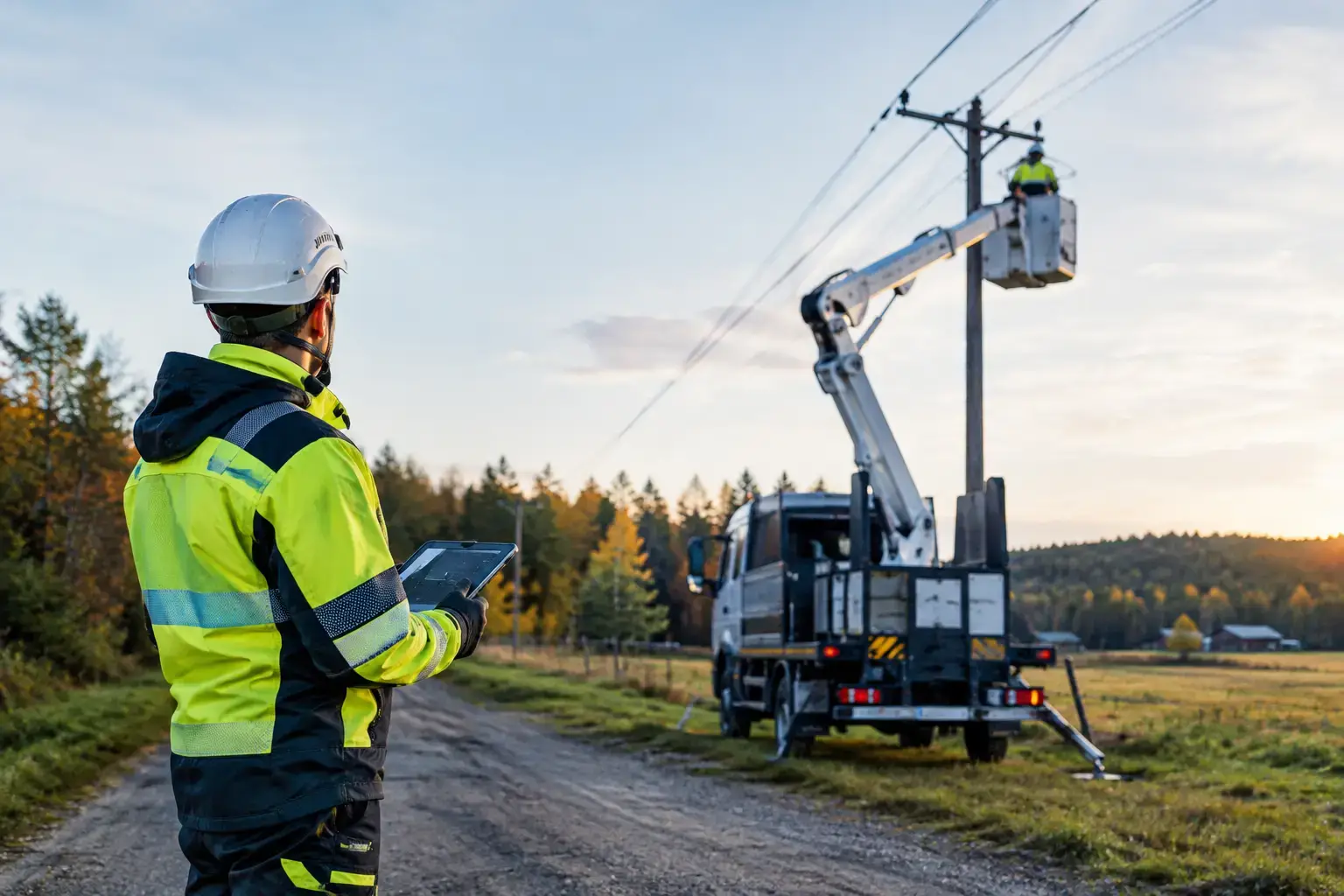
When the power drops at a rural property, the problem is rarely just a dark room. A well pump stops. Freezers start warming. Livestock water systems may lose pressure. A workshop goes quiet halfway through a job. Rural outage planning turns those risks into a clear operating plan before the weather turns, a line comes down, or the grid takes longer than expected to return.
For most properties, the right plan is not about powering every outlet. It is about keeping the systems that protect the home, the work, and the people on the property running safely. That means matching generator output to real loads, deciding which circuits matter first, storing fuel correctly, and testing equipment while conditions are still easy.
Start Rural Outage Planning With Critical Loads
The most expensive mistake is buying a generator based on a vague idea of what “should be enough.” Generator capacity must cover the appliances and systems you expect to run at the same time, including the extra starting power required by motors.
Start by walking through the property and separating critical loads from convenience loads. A refrigerator, freezer, well pump, boiler or furnace blower, sump pump, basic lighting, internet equipment, and a few charging points may be essential. An electric range, clothes dryer, large electric water heater, or whole-house air conditioning can consume a major share of available power. They may need to stay off during an outage unless the generator has been sized specifically for them.
For a rural home or small farm, the essential-load list often includes:
- Well pump or pressure pump
- Refrigerator and freezer
- Heating circulation pump, furnace blower, or control system
- Sump pump or drainage equipment
- Basic lights, communications equipment, and battery chargers
Check each item’s running watts and starting watts. Resistive loads, such as lights and heaters, are usually straightforward. Motor-driven equipment is different. A pump may need two to three times its running wattage for a short period during startup. If a generator is rated only for the running load, voltage can dip when the motor starts, causing overload shutdowns or poor equipment performance.
Add the loads you plan to run together, then include sensible headroom. A generator running continuously at its limit is louder, uses more fuel, and leaves no room for a pump starting cycle or an unexpected need. For sensitive electronics and lower-noise household use, an inverter generator is often a strong choice. For higher-demand properties, larger conventional generators, including diesel models where appropriate, can provide the sustained output needed for long work cycles.
Choose the Power Setup, Not Just the Generator
A portable generator can be a practical backup source, but how it connects to the property matters as much as its wattage. Extension cords work for a limited setup: a refrigerator, a freezer, a few lights, chargers, and tools used outdoors. They are simple, flexible, and low-cost, but they become impractical when you need to run a well pump, heating system, or several critical circuits inside the building.
For a more capable installation, use a properly installed transfer switch or generator inlet connected to selected circuits. This lets you power the loads that matter without feeding electricity back into utility lines. Backfeeding through a dryer outlet or improvised connection is dangerous, illegal in many areas, and can injure utility workers. It can also damage the generator and building wiring.
The right setup depends on the property. A seasonal cabin may need a compact inverter generator and a disciplined extension-cord plan. A year-round home with a deep well, basement drainage, and cold-weather heating equipment benefits from a dedicated critical-load panel. A farm workshop may need separate plans for house backup and jobsite power, especially if welders, compressors, or larger motors are involved.
Fuel Planning Is What Extends Runtime
Generator runtime is not determined by tank size alone. Load level, fuel type, air temperature, and maintenance all affect how long the machine will operate. Plan fuel around the likely length of an outage, not a best-case estimate.
Gasoline is widely available and convenient for many portable generators, but it should not sit indefinitely. Use approved fuel containers, keep fuel away from living spaces and ignition sources, and rotate stored fuel through equipment so it does not become old stock. A quality fuel stabilizer helps with storage, but it does not make neglected gasoline usable forever.
Dual-fuel generators add useful flexibility. Running on propane can simplify long-term fuel storage because propane does not degrade in the same way gasoline does. It also gives you a second option if local fuel stations are closed, roads are blocked, or gasoline supplies are limited. The trade-off is that propane typically delivers somewhat less power than gasoline, so account for that when sizing the generator and choosing loads.
Diesel power can make sense for heavier-duty and long-runtime use, especially where diesel is already part of daily equipment operations. It is not automatically the best choice for every homeowner. Diesel generators tend to be heavier, and cold-weather starting, fuel condition, and maintenance need proper attention. Choose the fuel system that fits how the property actually operates and what you can reliably keep on hand.
Cold Weather Changes the Plan
Outages rarely arrive on a calm, mild afternoon. Wind, snow, freezing rain, and low temperatures create the conditions where backup equipment earns its place. Test starting procedures before winter. Keep the generator accessible, but never operate it inside a garage, shed, barn, basement, or any enclosed or partly enclosed space.
Run the unit outdoors on stable, level ground with exhaust directed well away from doors, windows, vents, and neighboring buildings. Carbon monoxide is odorless and deadly. Use battery-powered carbon monoxide alarms inside occupied buildings, even when the generator is positioned outside.
Cold affects more than the engine. Extension cords become stiff, batteries lose capacity, and fuel systems can be less cooperative. Use outdoor-rated cords sized for the intended load and keep connections out of standing water and snow. A cord that is too light for a high-draw tool or appliance can overheat and waste voltage. For long cord runs, heavier-gauge cable is usually the safer choice.
If the generator has electric start, maintain the starting battery according to the manual. If it has a manual recoil starter, make sure every adult operator knows the correct starting sequence. A machine that only one person can start is not a complete emergency plan.
Protect Equipment From Bad Power Habits
Good rural outage planning includes an operating routine. Start the generator with major loads disconnected, let it stabilize, then bring on loads one at a time. Start high-surge equipment, such as pumps, before adding less critical loads. If the generator labors, overloads, or its output becomes unstable, reduce demand immediately.
Do not use a portable generator to power equipment beyond its intended duty. A generator may handle a circular saw for short periods but struggle with a large air compressor, welder, or several heating elements running together. Read running and surge ratings, not just the largest number printed on the product label.
Inverter generators are especially useful for electronics, charging systems, communications gear, and variable household loads because they regulate output more precisely and often run quieter at partial load. Conventional generators remain a practical option for demanding, straightforward loads where higher output and long operating hours matter more than low noise.
Maintenance is part of power reliability. Keep the correct motor oil, spark plug, air filter, and any model-specific service parts available before an outage. Run the generator under load several times a year. Test the transfer switch, inspect cords, verify fuel condition, and listen for changes in engine behavior. A five-minute no-load start once a year does not prove the system will carry a pump and freezer through a winter night.
Make One Person Responsible, Then Make the Plan Usable
A plan stored only in someone’s memory is fragile. Keep a simple written procedure near the generator or electrical panel: where the generator is placed, which circuits are powered, where fuel is stored, how long the machine typically runs at the normal load, and who to call if an electrical connection needs service.
Also decide what gets shut down first when fuel is limited. That decision is easier before an outage than at 2 a.m. with a low tank and falling temperatures. For example, you may cycle refrigeration loads, run the well pump only to refill pressure or storage, and avoid high-wattage cooking appliances until power returns.
The strongest backup setup is the one you can operate safely in the dark, in the cold, and without guesswork. Build your outage plan around the loads that protect your property first, then test it before you need it.
