




Blog
Best Pressure Washer for Driveway Jobs

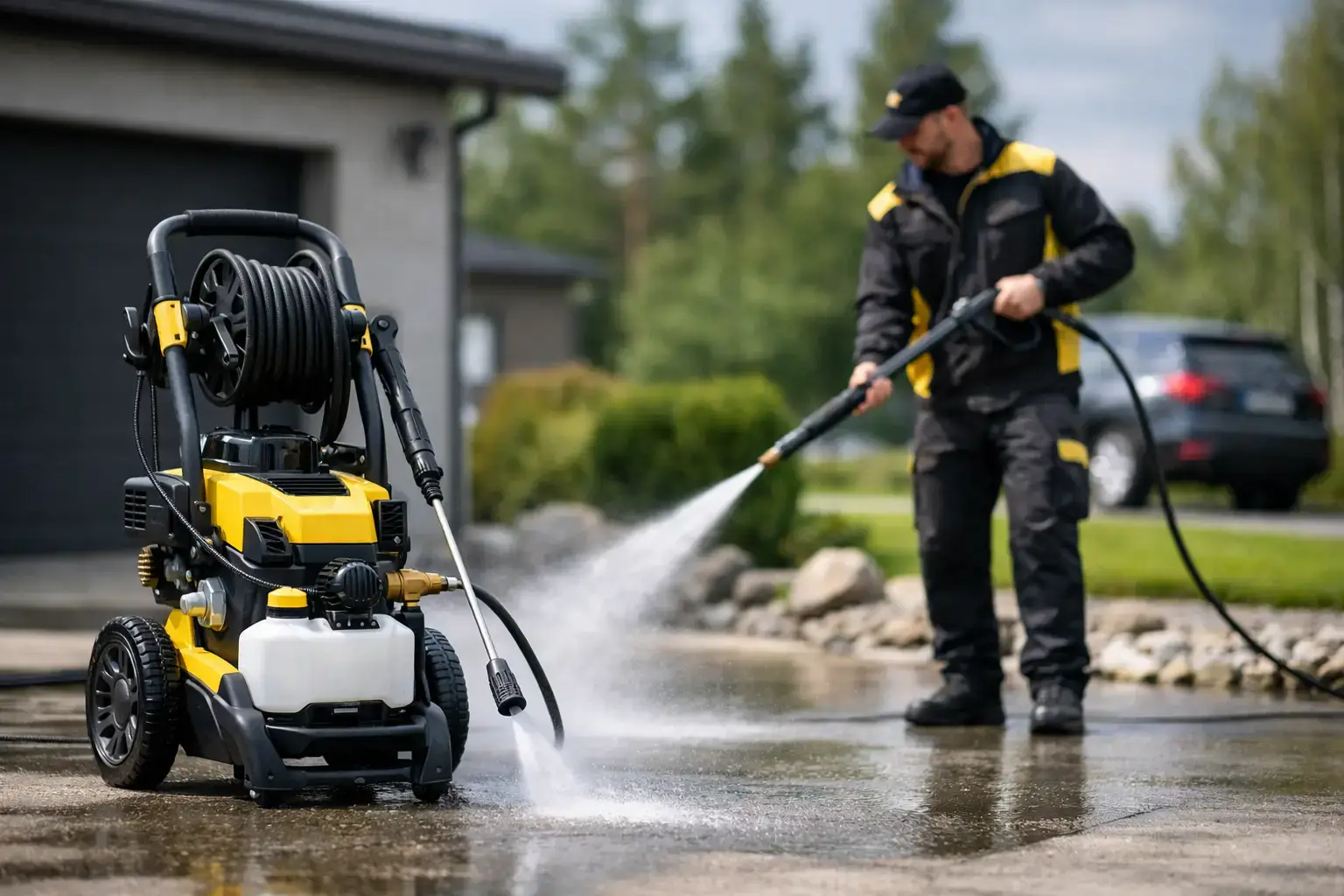
That black film on a driveway is not just dirt. It is baked-on road grime, algae, oil spotting, and fine grit packed into concrete pores. If you are shopping for the best pressure washer for driveway cleaning, the right choice is less about chasing the highest PSI on the box and more about matching water pressure, flow, and accessories to the surface in front of you.
A driveway is one of the toughest cleaning jobs around the house or workshop. It is a large flat area, it holds stains, and it punishes underpowered machines. Buy too small and you waste half a day. Buy too aggressive and you can stripe concrete, damage joints, or make a paver driveway look worse instead of better. That is why the smart buy starts with the job, not the marketing.
What makes the best pressure washer for driveway work?
For driveway cleaning, two specs matter most – PSI and GPM. PSI is pressure. It helps break loose stubborn grime. GPM is water flow. It carries dirt away and determines how fast you can clean a large area. On driveways, flow matters more than many buyers expect.
A machine with high PSI but weak GPM can feel sharp at the nozzle but still clean slowly. A balanced unit with solid pressure and stronger flow often does better on concrete because it rinses the surface properly instead of just blasting a narrow strip. If you are comparing machines for residential driveway work, a practical target is usually around 2800 to 3500 PSI with at least 2.3 to 2.8 GPM. For larger properties, workshop yards, or heavy buildup, more flow is worth paying for.
Cold-water pressure washers handle most driveway jobs just fine. You do not need a hot-water commercial system unless you are dealing with repeated oil contamination, grease-heavy work areas, or industrial surfaces. For most homeowners and landowners, a dependable cold-water gas unit is the sweet spot.
Electric or gas for driveway cleaning?
This is where a lot of buyers lose time. Electric pressure washers are lighter, quieter, and easier to store. They are a good fit for patios, cars, outdoor furniture, and occasional small-area cleaning. But for driveways, especially full-width concrete or long rural access sections, many electric models come up short.
A gas pressure washer is usually the better tool for the job. It gives you higher output, better mobility, and no need to drag heavy extension cords around wet surfaces. If your property has long driveways, outbuildings, or cleaning jobs away from the house, gas also lets you work where power is not convenient.
That said, it depends on the driveway size and how often you clean it. If you have a short suburban driveway and stay on top of maintenance, a strong electric model may be enough. If you clean spring buildup, winter residue, moss, mud, and workshop traffic stains, gas is the safer bet.
The specs that actually matter
When buyers ask for the best pressure washer for driveway use, they often focus on peak pressure alone. That is not enough. You want a machine that works hard without becoming difficult to control or expensive to own.
PSI and GPM
For light driveway maintenance, around 2500 PSI can work, but it will be slower. The practical range for most serious driveway cleaning starts closer to 3000 PSI. Pair that with enough GPM to move dirt fast. If two machines have similar PSI, the one with higher flow will usually finish the job quicker.
Engine and pump quality
A pressure washer is only as dependable as its engine and pump. Look for a proven engine, solid cold-start behavior, and a pump built for repeated use, not one-off weekend cleaning. If you live where spring and fall temperatures swing hard, reliable starting matters more than buyers think.
Hose length and frame design
A short hose sounds manageable until you are constantly dragging the machine across wet concrete. A longer, durable hose gives you more reach and keeps the unit from bouncing behind you. A sturdy frame with pneumatic or large wheels also makes a difference on gravel edges, uneven pavers, or rough yard transitions.
Nozzle set
The wrong nozzle can damage the surface or slow you down. For driveway cleaning, a 25-degree or 40-degree nozzle is usually the safe starting point. A turbo nozzle can speed up heavy cleaning, but it concentrates power and needs a steady hand. It is useful for stubborn buildup, less forgiving for delicate surfaces.
Why a surface cleaner changes everything
If you want faster results and a cleaner finish, a surface cleaner is one of the best upgrades you can make. Instead of cleaning line by line with a spray wand, a surface cleaner uses rotating jets under a wide housing. That gives you more even cleaning, less overspray, and fewer zebra stripes across concrete.
For large driveways, this is not a luxury accessory. It is a serious time saver. It also reduces fatigue because you are pushing a gliding head instead of holding a wand at a fixed distance for hours. If you plan to clean wide driveways, paved yards, or concrete pads more than once or twice a year, factor a surface cleaner into the purchase from the start.
Match the machine to the driveway surface
Not every driveway should be cleaned the same way. Concrete is durable, but old or damaged concrete can etch if you get too aggressive. Pavers need care around joint sand. Asphalt is softer than concrete and can be scarred by excessive pressure.
For concrete, a medium to heavy-duty washer is usually fine if you use the right nozzle and keep the wand moving. For pavers, lower the aggression and test a small area first. For asphalt, use extra caution. In many cases, a lower-pressure setup with detergent and wider spray angle is the better route.
This is where buying too much machine can be just as frustrating as buying too little. More power gives you margin for stubborn grime, but only if you can control it properly.
Features worth paying for
Some extras are just brochure filler. Others make the machine better to live with.
A good onboard detergent system can help with pretreatment, especially on organic staining or traffic film. Thermal relief protection helps protect the pump during pauses in operation. Quick-connect fittings save setup time. A stable frame matters if you are loading the unit into a truck, moving it around a workshop, or storing it in a shed.
Parts support also matters. Hoses wear out. Nozzles get lost. Pumps and seals do not last forever. A pressure washer is not a one-season tool if you buy smart. It is equipment, and equipment should be serviceable.
How to choose the right size for your workload
If you clean one small residential driveway once or twice a year, a mid-range unit is enough. If you maintain multiple vehicles, a driveway, a trailer, a workshop apron, and muddy equipment, move up to a stronger gas model with better flow and a surface cleaner.
If you are a rural property owner, tradesperson, or someone cleaning after winter grit and off-road use, think beyond the driveway alone. The right machine can also handle siding, farm equipment, fencing, retaining walls, and utility trailers. In that case, spending more for durability and output usually pays back in less cleaning time and fewer compromises.
Champion Baltics focuses on work-ready equipment for exactly that kind of ownership. The machine should not just clean well on day one. It should keep earning its space in the garage, workshop, or field kit.
Common mistakes when buying a driveway pressure washer
The first mistake is buying on PSI alone. The second is ignoring accessories. The third is underestimating how much area you actually need to clean.
Another common miss is choosing a lightweight consumer unit for a heavy-use property. It may handle the first driveway cleaning, but repeated hard work is where better components start to matter. The opposite mistake is buying a very aggressive machine without respecting the surface. Power is useful, but control is what gets a clean result.
What most buyers should look for
For most homeowners and property users, the best pressure washer for driveway jobs is a gas-powered unit in the 3000 to 3500 PSI range with solid GPM, durable wheels, a reliable pump, and support for a surface cleaner. That setup gives you enough muscle for serious cleaning without drifting into oversized commercial equipment.
If your driveway is small and your cleaning needs are lighter, a strong electric washer can still be a sensible buy. Just be honest about how often you will use it and how patient you are willing to be. Large surfaces reward stronger machines.
A driveway tells you quickly whether your equipment is ready for real work. Choose a pressure washer that matches the size of the job, the type of surface, and the way you actually live. The right machine turns a full-day chore into a controlled, repeatable job you will not dread next season.
