







Blog
Diesel or Petrol Generator: Which Fits Best?

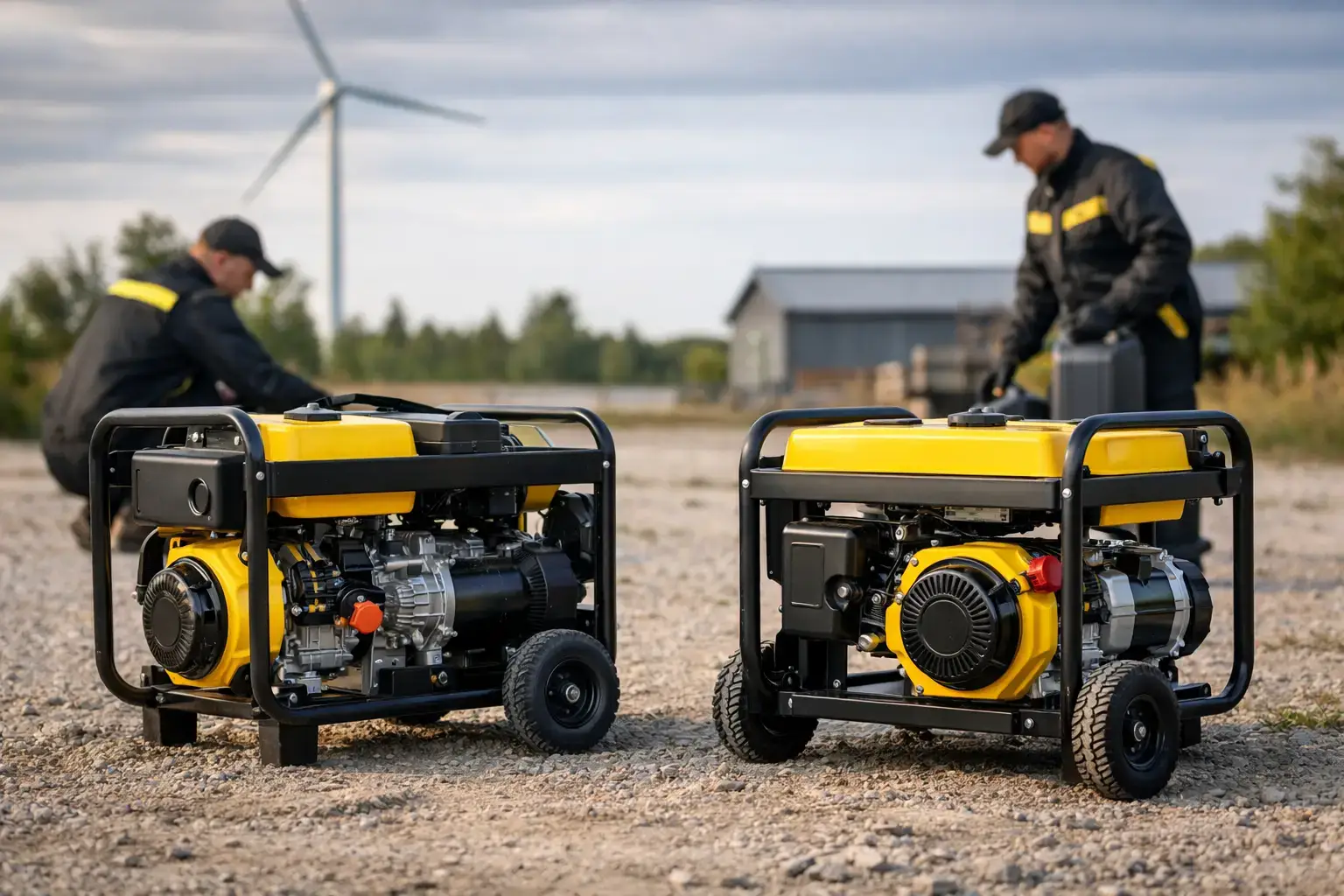
A generator usually gets bought for one reason – when the power stops, the work still has to get done. That is why the diesel or petrol generator question matters more than most buyers expect. The right choice affects startup in cold weather, fuel handling, noise, running cost, portability, and how reliable the unit feels when you need it most.
If you are powering a house during outages, running tools on a jobsite, or keeping equipment going in the field, there is no single winner for every job. A petrol generator is often the better fit for portability and occasional use. A diesel generator usually makes more sense for heavier workloads, longer runtime, and demanding duty cycles.
Diesel or petrol generator – start with the job
The fastest way to choose is to ignore labels and look at your real use case. How often will the generator run? What needs to be powered? Will it stay in one place or move between vehicles, buildings, and outdoor sites? Is quiet operation more important than maximum endurance?
For occasional backup at home, light site work, mobile use, and general convenience, petrol models are often easier to live with. They tend to be lighter, easier to move, and common across a wide range of portable outputs. If the generator will spend most of its time waiting for an outage or getting used on weekends, petrol is usually the simple answer.
For regular use, bigger loads, and longer operating hours, diesel starts to pull ahead. Diesel units are commonly chosen where the machine is expected to work hard, not just stand by. If your generator is supporting pumps, workshops, cabins, site equipment, or repeated long runs, durability and fuel efficiency matter more.
When a petrol generator makes more sense
A petrol generator is often the practical choice for buyers who want fast setup and easy handling. In portable sizes, petrol units are generally lighter and more compact than diesel alternatives with similar output. That makes a difference when you are lifting the unit into a truck, moving it around a property, or storing it between uses.
Petrol models also suit buyers who value straightforward operation. For many homeowners and landowners, the main goal is dependable backup for essentials like lights, refrigerators, freezers, routers, chargers, and a few selected appliances. In that role, a quality petrol generator covers the job without adding extra weight or bulk.
Noise can also favor petrol, especially when you compare modern inverter-style units. If you need cleaner power for electronics, quieter running near a house, or a generator that will not dominate a campsite, mobile workstation, or service vehicle setup, petrol is often the better route.
That said, petrol is not automatically the cheapest option over time. The purchase price may be lower, but fuel consumption can become more noticeable if you run the generator often or for long stretches.
Best-fit petrol use cases
Petrol is a strong match for occasional home backup, recreational use, mobile tools, service vans, and lighter-duty field work. It is also a good fit when portability matters as much as power output.
If your main priority is a unit that starts, runs, and stores easily without feeling oversized for the task, petrol is hard to beat.
When a diesel generator is the smarter buy
Diesel generators have a different character. They are built for work. In many applications, that means better fuel economy under load, stronger long-run performance, and a sense that the machine is less stressed when asked to keep going hour after hour.
This matters for workshop operators, property owners with serious backup needs, and professionals running equipment in remote or demanding conditions. If outages tend to last, or if the generator is not just emergency insurance but part of your regular operating plan, diesel deserves a close look.
Diesel also appeals to buyers who want efficiency and torque-focused performance rather than maximum portability. The unit may be heavier, but for semi-fixed placement or repeated heavy use, that trade-off can be worth it.
In rugged environments, diesel often feels like the more work-ready option. That is one reason it remains common in agricultural, industrial, and field-support settings where runtime and load stability matter more than convenience.
Best-fit diesel use cases
Diesel is a strong choice for long outages, high-demand backup, frequent use, worksite supply, pumps, and tougher duty cycles. It also makes sense when the generator is expected to carry heavier loads for longer periods rather than only cover short interruptions.
If you are buying for endurance and operating economy rather than easy lifting, diesel usually earns its place.
Cost is not just the price tag
A lot of buyers compare a diesel or petrol generator by purchase price alone. That is where mistakes happen.
Petrol generators often cost less upfront, which makes them attractive for occasional users. But if the unit runs regularly, fuel use and wear become more important. A machine that seemed cheaper on day one may not stay cheaper over several seasons.
Diesel generators usually require a higher initial budget. In return, they can reward frequent users with better fuel efficiency and a design better suited to sustained operation. The more hours you expect to log, the more that matters.
Maintenance also plays a role. Some buyers are comfortable with routine servicing and fuel management, while others want the simplest ownership path possible. Neither approach is wrong, but it should match the way you actually use equipment, not the way you imagine you will use it.
Cold weather changes the decision
In Nordic and Baltic conditions, cold-start behavior is not a small detail. It can decide whether your backup plan works at all.
Petrol generators are often easier for casual users in low temperatures, especially in portable formats and occasional-use scenarios. If the generator may sit for periods and then need to fire up during a storm or winter outage, that simplicity has real value.
Diesel can absolutely perform in cold weather, but it needs the right setup, fuel quality, and maintenance discipline. For buyers who understand those demands, diesel remains a serious option. For buyers who want quick seasonal readiness with fewer variables, petrol may be the more forgiving choice.
This is one of those cases where the best generator on paper is not always the best one in the shed.
Power needs should decide more than fuel type
Fuel type matters, but sizing matters more. An undersized generator, whether petrol or diesel, will cause more problems than the wrong fuel preference.
Start by looking at what must run at the same time. Resistive loads like lights and heaters are simple enough. Motor-driven equipment such as pumps, compressors, fridges, and power tools can demand much higher startup wattage than their running number suggests. That startup surge is where many buying mistakes happen.
If your loads are modest and varied, a portable petrol unit may be enough. If you are supporting larger motors, longer runtime, or broader backup coverage, diesel starts to make more sense. The fuel decision should follow the load plan, not replace it.
Noise, portability, and day-to-day ownership
A generator can look right on paper and still be wrong to own. Weight, wheel kits, handles, fuel storage, service access, and noise all affect whether the machine is actually convenient.
Petrol generators usually win on portability. For homeowners, off-road users, and mobile crews, that can be the deciding factor. A lighter unit that gets used properly is better than a heavier one that is difficult to move and rarely deployed when needed.
Diesel generators often ask for more commitment. They are better suited to buyers who already know where the machine will live and how it will be used. If that is your setup, the extra mass and heavier-duty feel can be a benefit rather than a drawback.
Noise depends on model design, enclosure, and output class, not just fuel type. Still, buyers looking for quieter portable power often end up leaning petrol, especially in inverter categories.
So which one should you buy?
Choose petrol if you want a portable, user-friendly generator for occasional backup, lighter work, or mobile applications where easy handling and quieter operation matter. For many homeowners and general users, this is the most practical path.
Choose diesel if your generator will work hard, run long, and support heavier or more frequent loads where fuel efficiency and long-duty performance justify the extra size and upfront cost.
The best diesel or petrol generator is the one that matches your workload, storage setup, and weather reality. Buy for the conditions you actually face, and you will end up with equipment that is ready when the pressure is on.
A good generator should not make you guess. It should start, carry the load, and let you get on with the job.
