






Blog
How to Run Generator Safely at Home

When the power drops out, most generator problems start before the engine does. The biggest risk is not noise, fuel use, or setup time. It is running the unit in the wrong place, connecting it the wrong way, or treating backup power like a normal wall outlet. If you want to know how to run generator safely, start with one rule: portable generators need space, airflow, and a disciplined setup every single time.
How to run generator safely before startup
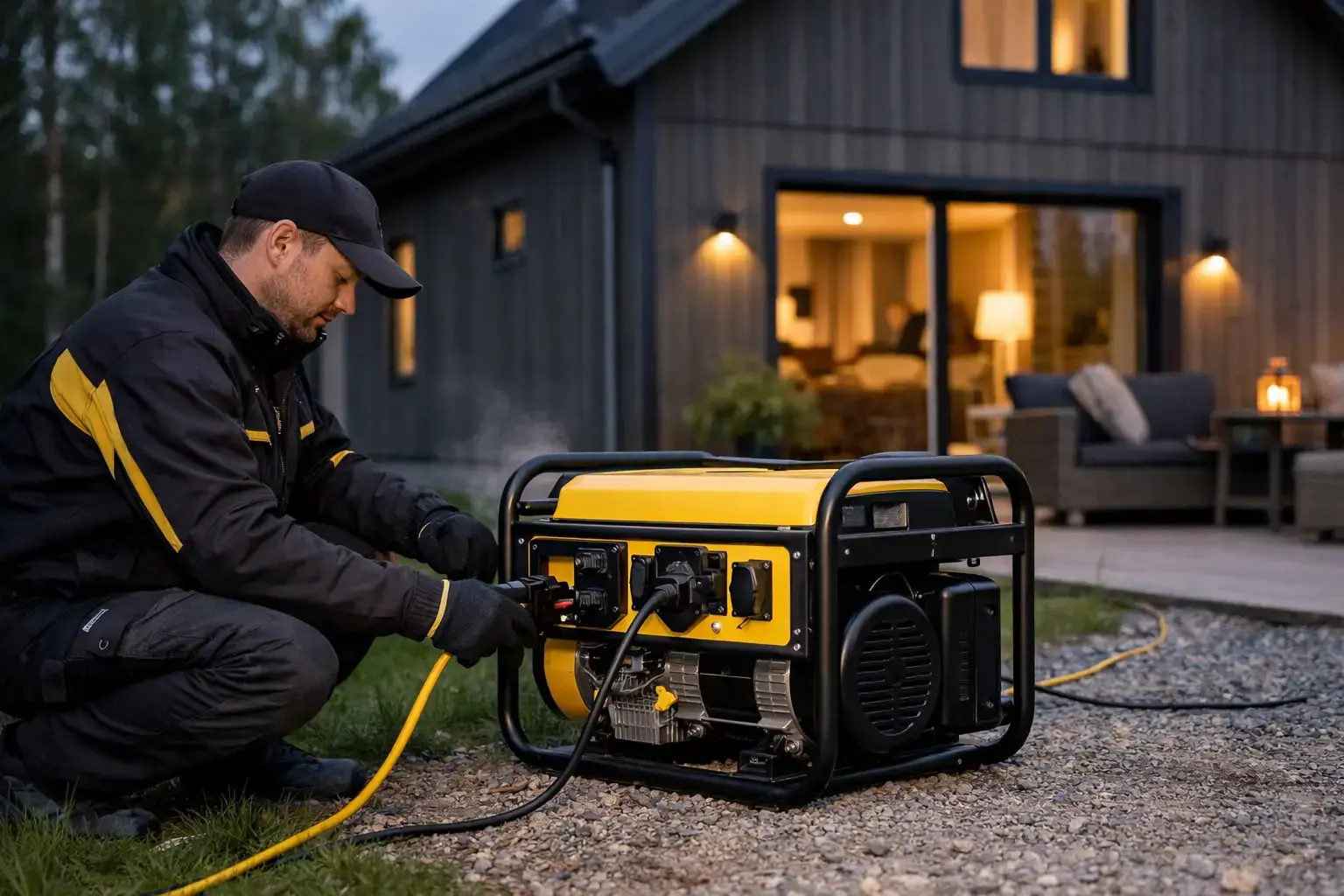
Safe operation starts with placement. A portable generator should always run outdoors in an open, well-ventilated area. That means never in a garage, never in a basement, never in a shed, and never under an open window or near a door. Carbon monoxide does not care if the garage door is cracked open. Exhaust can still build up fast and move indoors.
Distance matters. Set the generator far enough from the house that exhaust cannot drift back inside, especially if the wind changes. A dry, level surface is just as important. If the generator sits crooked, fuel handling and lubrication can suffer. On muddy ground, soft gravel, or snow, the machine can shift, sink, or tip during operation.
Weather is where people cut corners. Rain and generators do not mix unless the unit is protected correctly. You can use a purpose-built generator cover or canopy designed for operation, but you cannot wrap the machine, block the vents, or trap heat around the engine. The generator needs protection from precipitation and full airflow at the same time.
Before startup, check fuel level, engine oil, and visible damage. Look for loose cables, cracked outlets, frayed cords, and signs of old fuel leaks. In cold conditions, this check matters even more because fuel, oil viscosity, and battery performance can all work against an easy start.
Safe connection matters more than startup
A generator can run perfectly and still be dangerous if it is connected incorrectly. The most serious mistake is backfeeding a home through a wall outlet. Some people try to power the house by plugging the generator into a dryer outlet or another receptacle. That is unsafe, illegal in many areas, and dangerous for both your home and utility workers.
If you want to power household circuits, use a properly installed transfer switch or interlock setup handled by a qualified electrician. That gives you controlled, isolated power where you need it. If you are not using a transfer switch, plug appliances directly into the generator with heavy-duty outdoor-rated extension cords sized for the load.
Cord sizing is not a minor detail. Undersized cords heat up, waste power, and can damage tools, appliances, or the generator itself. Longer cord runs increase voltage drop, so a cord that works for a short distance may not be suitable across a long yard or work area. For higher-draw equipment like pumps, heaters, compressors, or refrigerators, proper cord gauge is part of safe operation.
Load management keeps the generator stable
Portable generators are not meant to carry every load at once. One of the safest habits is starting with the generator unloaded, then connecting equipment in stages. Let the engine stabilize first. After that, plug in critical loads one by one.
Motors need special attention because they often draw more power at startup than during normal running. A refrigerator, sump pump, air compressor, or power tool may surge well above its rated running wattage for a few seconds. If too many loads hit at once, the generator can overload, trip protection, or bog down hard enough to damage connected equipment.
This is where sizing and safety meet. A generator that is too small does not just perform poorly. It pushes you into risky habits such as daisy-chaining loads, constantly resetting breakers, or trying to run appliances right at the machine’s limit. A little extra capacity usually gives you calmer operation, more stable voltage, and less stress on the engine.
What should you power first?
For home backup, start with essentials. Refrigeration, lighting, internet equipment, a boiler or furnace fan, and a sump pump usually matter more than convenience loads. Electric water heaters, large space heaters, ovens, and central air systems can overwhelm a portable setup quickly.
On a worksite or remote property, the order depends on the task. If drainage is urgent, the pump comes first. If the job depends on saws and chargers, keep the startup sequence simple and avoid stacking too many motor loads at the same moment.
Fueling rules that prevent fires
Hot engines and spilled fuel are a bad combination. Always shut the generator off and let it cool before refueling. Gasoline vapors can ignite from hot engine parts, and spills are easier than most people expect when filling in poor light or bad weather.
Store fuel in approved containers and keep it away from living spaces, ignition sources, and direct sun. If fuel sits for a long time, use a stabilizer if appropriate for the fuel type and rotate your supply. Old gasoline causes hard starting, rough running, and carburetor issues. In emergency use, people often discover their stored fuel is the reason the generator will not behave.
If you run a dual fuel generator, propane can simplify storage and reduce fuel degradation concerns, but it comes with its own checks. Inspect hoses, regulators, and connections for wear. Make sure cylinders are upright and positioned safely away from heat and exhaust. Dual fuel systems are practical, but the setup still needs the same attention as gasoline operation.
Diesel units bring different advantages, especially for longer run times and heavy-duty use, but cold-weather performance can depend on fuel condition and proper maintenance. In low temperatures, planning ahead matters more than improvising at the moment of outage.
Grounding, moisture, and shock risk
People often ask if a portable generator needs grounding. The answer depends on the generator design and how it is being used. Some units are bonded and designed to power cord-and-plug equipment without a separate ground rod. Others may have different requirements, especially when integrated into a building system. The only safe approach is to follow the generator manual and local electrical code, and use an electrician when connecting to building circuits.
Moisture raises the risk fast. Wet hands, standing water, soaked cords, and exposed connections create an avoidable shock hazard. Keep plugs off the ground where possible, protect connections from rain, and inspect cords before each use. A generator built for outdoor work is still electrical equipment. Treat it that way.
Generator covers are not all equal
A common mistake is using a tarp, plastic sheet, or improvised shelter that traps exhaust and engine heat. That may keep off rain, but it can also create a fire hazard or cause overheating. A safe operating cover allows full ventilation, clear exhaust flow, and access to controls while keeping water off key components.
Maintenance is part of safe operation
A neglected generator is less safe, not just less reliable. Low oil shutdown systems and overload protection are valuable, but they are backup protections, not excuses to skip service. Check the oil at the intervals recommended for your engine, especially during long run periods. Air filters, spark plugs, and fuel system condition all affect how predictably the generator runs.
If the unit has electric start, keep the battery charged and test it before storm season or winter use. If it is recoil start, do a periodic test run so you know it will start when temperatures drop. The worst time to discover stale fuel, a weak battery, or a clogged carburetor is during an outage at night.
Regular exercise runs also help you confirm that connected equipment, cords, and starting sequence still make sense. Safe operation is easier when the whole setup is familiar.
How to run generator safely in cold or storm conditions
Cold weather changes the job. Oil thickens, fuel can behave differently, recoil starting takes more effort, and wet surfaces make footing worse around the machine. Give the generator a stable, sheltered outdoor position before the storm hits, not after the yard turns icy.
Clear snow away from the exhaust side and air intake areas. Never let drifting snow block airflow. If the machine is covered for weather protection, check often to make sure the cover has not shifted closer to hot engine parts. In extended outages, monitor the unit regularly instead of assuming it can run unattended for hours without a look.
For users in harsh Baltic and Nordic-style conditions, cold-start capability and practical weather protection are not luxury features. They directly support safer operation when backup power is not optional.
Common mistakes that cause real problems
Most generator accidents come from routine shortcuts. Running inside a garage for “just a minute,” refueling while hot, using light household cords, overloading the machine, or trying to feed a home panel without proper switching are the usual offenders. None of these feel dramatic in the moment. That is exactly why they are dangerous.
The safer habit is simple: use the generator outdoors, keep it dry without smothering it, connect loads correctly, and stay within its rated output. A generator is one of the most useful tools you can own when the grid fails, but only if you operate it with the same respect you would give any other engine-driven power equipment.
If you set it up right before the outage, safe generator use becomes routine when the pressure is on.
