




Blog
Best Generator for Power Outage Use

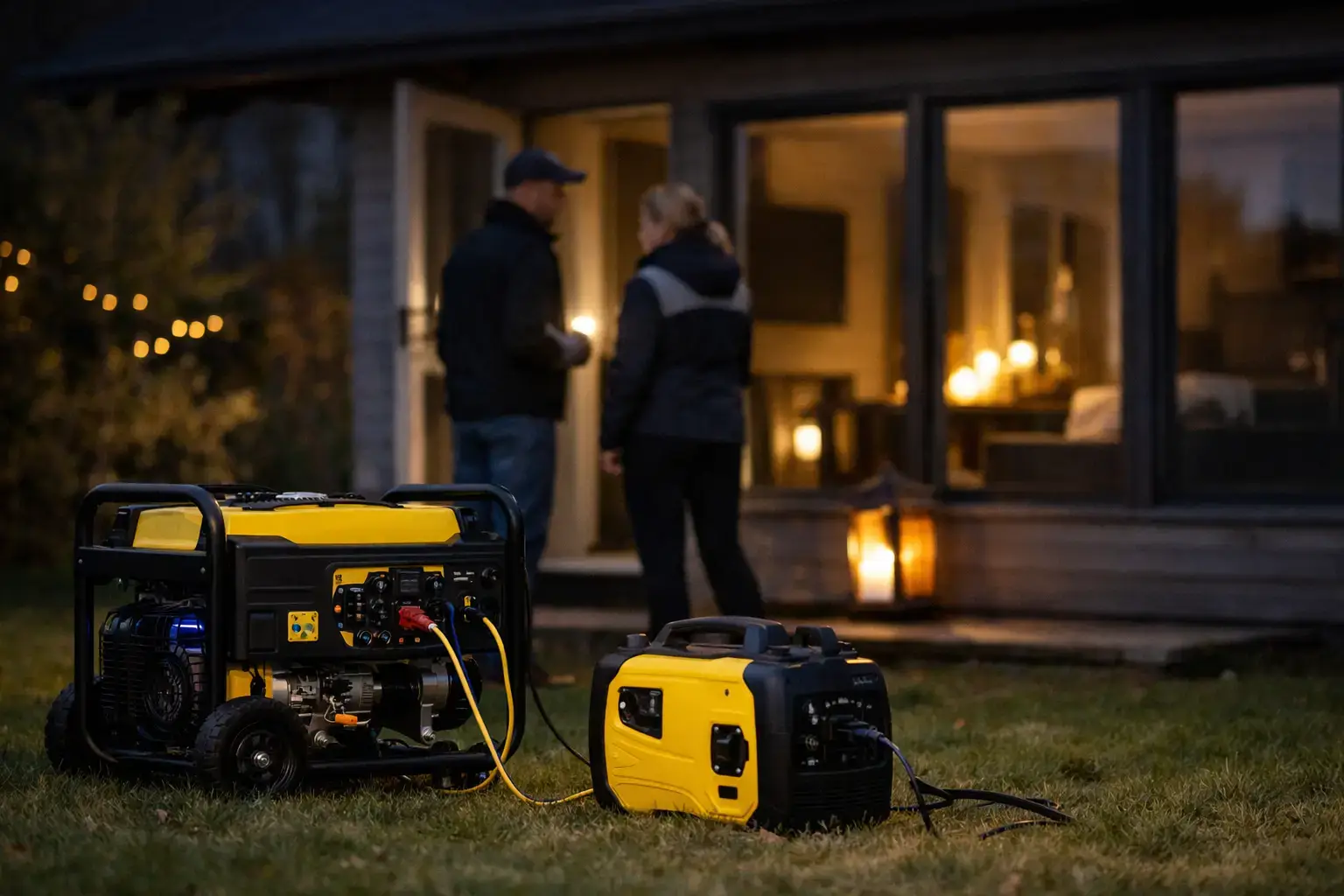
When the lights go out in freezing rain or heavy wind, the wrong generator becomes obvious fast. A good generator for power outage backup should start reliably, carry the loads you actually need, and run safely for hours without turning your home into a wiring gamble.
What makes a good generator for power outage backup
Most people do not need to power an entire house. They need the essentials to keep working until the grid is back: refrigerator, freezer, a few lights, internet, phone chargers, maybe a sump pump, boiler, or well pump. That is where buying gets easier. The right unit is not the biggest one you can afford. It is the one that matches your real loads, fuel access, and operating conditions.
For outage use, reliability matters more than extra features you will never use. Cold-start performance, stable output, low-oil shutoff, overload protection, and a frame that is easy to move all matter. If you live in a rural area or deal with winter outages, fuel flexibility can matter just as much as wattage. A generator that runs on gasoline and propane gives you options when one fuel is hard to get.
Start with wattage, not brand names
The fastest way to overspend or underbuy is to skip the power calculation. Every generator is sold on output, but the useful number is not just running watts. You also need to think about starting watts for anything with a motor.
A refrigerator may run at a modest level once it is going, but it needs extra power for startup. The same goes for a freezer, sump pump, air compressor, and many well pumps. If your generator handles the running load but not the startup surge, it will trip overload protection or stall under pressure.
Typical outage loads at home
A small emergency setup often lands in the 2000 to 3500 watt range if you only want lights, chargers, internet, and cold food storage. Once you add a furnace blower, sump pump, or well pump, many buyers move into the 4000 to 8000 watt class. If you want to support multiple circuits comfortably and reduce constant load juggling, you may need more.
That does not mean bigger is always better. Large generators use more fuel, weigh more, and take up more storage space. They are better for heavier backup needs, but they are not the best answer for every homeowner.
A practical sizing mindset
Think in terms of priorities. What must stay on, what would be nice to have, and what can wait. That approach gives you a generator that works in the real world instead of one chosen from fear after a bad storm.
Inverter or conventional generator
This is one of the biggest decisions when choosing a generator for power outage use. Both types can work well. The better choice depends on what you need to power and how you plan to use it.
Inverter generators are usually quieter, more fuel-efficient at lower loads, and better for sensitive electronics. If you want to keep a home office running, protect modern appliances, or avoid a machine that roars through the night, an inverter unit makes a lot of sense. They are also easier to live with in neighborhoods or around camps, cabins, and mobile work setups.
Conventional portable generators usually offer more raw power per dollar. For larger household loads, pumps, tools, and rougher field use, they are often the practical choice. They are not always as quiet or compact, but they deliver serious output and hold up well in demanding conditions.
The trade-off is simple. Inverter models win on refinement. Conventional models often win on power value.
Fuel type changes how prepared you really are
During an outage, power is only half the problem. Fuel becomes the other half. That is why fuel choice deserves more thought than many buyers give it.
Gasoline is common and easy to find, which makes it the default for many portable units. The downside is storage life and availability during widespread outages. If stations lose power or lines form fast, refueling gets harder.
Propane stores longer and burns cleaner. It is a strong option for backup use because you can keep cylinders on hand without the same fuel-aging issues. The catch is that power output is often a bit lower on propane than on gasoline, and runtime depends on cylinder size.
Diesel makes sense for some heavy-duty users, especially where durability and fuel efficiency under load matter. But for many homeowners looking for portable outage backup, diesel units can be heavier, louder, and more than they need.
Dual fuel units deserve serious attention because they add flexibility without making operation complicated. If gasoline is short or stale, propane gives you a backup path. For many buyers, that extra resilience is worth it.
Portability matters more than the spec sheet suggests
A generator that is too heavy to move safely is a problem before it ever starts. Outages rarely happen in perfect conditions. You may be dealing with snow, mud, rain, or limited light. Wheels, handle design, overall footprint, and balanced frame construction all affect whether the unit is easy to deploy when you need it.
Smaller inverter models are easier to carry and store, which makes them attractive for occasional users. Larger open-frame units may offer much more output, but they usually need a wheel kit and a clear storage plan. If you have to drag a generator across a yard in bad weather, portability stops being a convenience feature and becomes part of readiness.
Noise is not a small detail
When an outage lasts overnight, generator noise wears on people quickly. It affects sleep, neighbors, and the general stress level of an already bad situation. Quiet operation is one reason inverter generators are popular for backup power, especially in residential settings.
That said, some buyers accept more noise in exchange for higher output and lower cost. It depends on your location and needs. If you live on acreage and your generator sits well away from the house, noise may matter less. If you are in a suburban neighborhood, it matters a lot.
Safe connection is part of the purchase
The generator itself is only one part of backup power. You also need a safe way to use it. Running extension cords directly to critical appliances can work for a basic setup. It is simple and effective for refrigerators, freezers, lights, and chargers.
If you want to power selected home circuits, use a proper transfer switch or interlock installed by a qualified electrician. Backfeeding a home through a dryer outlet or improvised connection is dangerous and can injure utility workers, damage equipment, or start a fire.
The same goes for generator placement. Never run it indoors, in a garage, or near windows and vents. Carbon monoxide is not a minor risk. It is the risk.
Features worth paying for
Not every add-on matters. For outage use, a few features consistently earn their keep.
Electric start makes a big difference on larger units, especially in cold weather or for users who do not want to wrestle with recoil starting under stress. Remote start can be useful, but it is less essential than dependable starting in the first place.
A clear display with voltage, frequency, and runtime information helps you manage loads and maintenance. Fuel gauge visibility is also more useful than it sounds when you are rationing refuel trips in bad weather.
Low-oil shutdown and overload protection are not optional in any serious backup machine. They protect the engine and reduce operator error. Multiple outlet options help too, especially if you plan to split use between household backup and jobsite or outdoor tasks.
The best generator for power outage use depends on your scenario
For an apartment, small home, or occasional emergency use, a compact inverter generator may be the smartest buy. It is easier to store, quieter, and well suited to core essentials.
For a detached home with pumps, heating equipment, or more demanding circuits, a mid-size to large portable generator is usually the better fit. If fuel uncertainty is a concern, dual fuel gives you more control.
For rural property owners, tradespeople, or users who want one machine for outages and field work, durability and output may outrank quietness. In that case, a heavier conventional unit can make more sense than a lighter residential-focused model.
This is where a specialist retailer matters. Champion Baltics focuses on practical power equipment for real operating conditions, not just showroom specs. That matters when you are comparing cold-weather starting, portability, fuel options, and the parts support that keeps a machine useful long after the first outage.
Do not forget maintenance before the storm
A generator is only backup power if it starts. Fresh fuel, correct oil, battery condition, and regular test runs matter more than most buyers expect. Even the right machine can let you down if it sits ignored for a year.
Run it periodically. Check load performance. Keep oil and spare maintenance items on hand. If your area sees long winters or repeated outages, readiness is not just owning the machine. It is knowing it will work when the power drops at 2 a.m.
The best backup setup is the one you can trust without second-guessing. Choose a generator that matches your actual loads, your fuel reality, and the way you live, and it will earn its place long before the next outage hits.
