





Blog
7 Best Generators for Blackouts

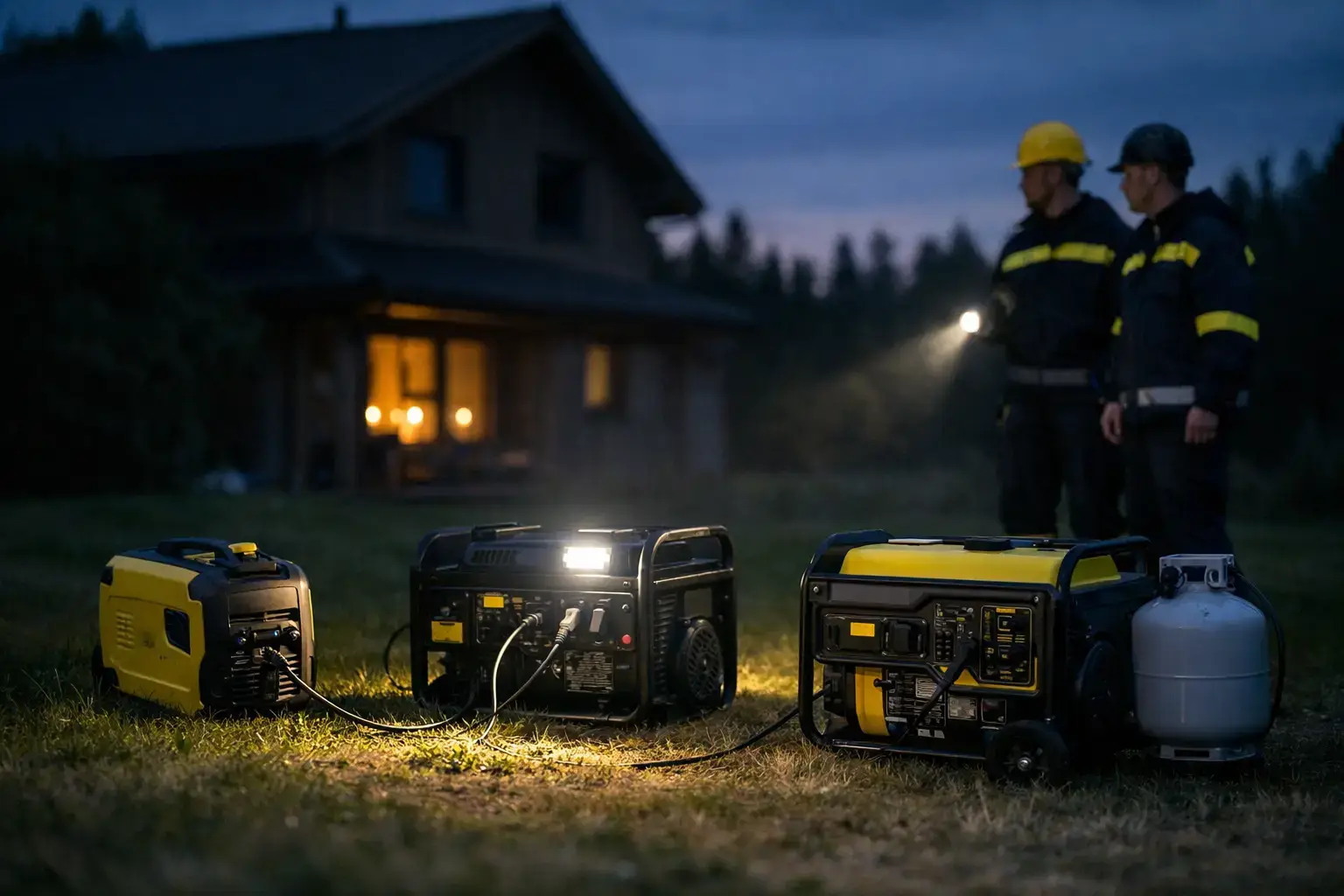
When the lights go out in freezing rain or a windstorm, backup power stops being a nice extra and becomes a real household tool. The best generators for blackouts are not simply the biggest models on the shelf – they are the units that start reliably, carry the right loads, and keep doing the job when the outage stretches from hours into days.
For most buyers, the mistake is not buying too small or too large in theory. It is buying without matching the generator to the way power is actually used during an outage. A home that needs a fridge, boiler, lights, and phone charging has one set of requirements. A rural property with a well pump, freezers, workshop tools, and cold-weather exposure has another.
What makes the best generators for blackouts?
A blackout generator needs to do four things well. It must deliver enough starting wattage for motor-driven equipment, run stably for long enough to be useful, stay manageable in terms of fuel and noise, and operate safely around the home.
Starting wattage matters because many critical appliances draw a brief power surge when they switch on. Refrigerators, sump pumps, well pumps, and some heating systems may need far more power at startup than they do while running. If a generator only covers the running load on paper, it can still struggle in the real world.
Fuel type matters too. Gasoline units are common, portable, and easy to use, but long storage requires attention. Dual fuel models add flexibility, which is valuable in emergencies when one fuel source may be easier to access than another. Larger diesel machines can be a serious option for heavy demand, but they are not the automatic best choice for every homeowner. They tend to make more sense where runtime, durability, and higher loads outweigh portability and noise concerns.
Then there is reliability under pressure. In blackout conditions, you want electric start if possible, low oil shutoff, overload protection, and solid cold-weather behavior. Those details sound small until you are outside at night trying to restart a unit in rough conditions.
1. Best for basic home backup: inverter generators around 2000 to 3000 watts
If your goal is to keep essentials running rather than power the whole house, a compact inverter generator is often the smartest buy. This category suits apartment users, smaller homes, cabins, and anyone who wants backup for a refrigerator, router, lights, chargers, and perhaps a TV or small appliance.
The big advantage is clean power and lower noise. Sensitive electronics are safer on inverter power, and quieter operation matters if the generator will run near neighbors or outside a bedroom wall. The trade-off is capacity. A unit in this range will not run large electric heating loads, central air, or multiple motor-heavy appliances at the same time.
For short outages and focused backup, though, this is one of the most practical answers to the question of the best generators for blackouts.
2. Best all-around choice: inverter generators around 3000 to 4500 watts
This is the sweet spot for many households. A quality inverter generator in this range can usually cover a fridge, freezer, lights, internet, phone charging, and selected kitchen or heating-related loads without the bulk of a large open-frame machine.
It is a strong fit for homeowners who want real backup capability but still care about portability, fuel use, and noise. If you regularly face storm outages but do not need to run an entire property, this category offers the best balance.
The main limitation is that load management still matters. You may need to stagger appliance use rather than switch everything on at once. That is not a flaw – it is simply how sensible emergency power planning works.
3. Best for larger homes: portable generators around 5000 to 8000 watts
Once you need to support a well pump, sump pump, larger heating equipment, or several major circuits together, you move into heavier portable backup territory. Generators in the 5000 to 8000 watt range are often the practical step up for detached homes and rural properties.
These units can cover much more of daily life during an outage. You are no longer choosing between the refrigerator and the pump. You have room for core systems, more lighting, and a more normal routine while the grid is down.
The trade-offs are clear. These machines are heavier, louder, and less convenient to move. Fuel consumption rises as well. If blackout readiness is your priority and you have meaningful loads to support, that compromise is often worth it.
4. Best for fuel flexibility: dual fuel generators
Dual fuel generators deserve serious attention for blackout use because flexibility is a real asset when supply chains are stressed or local fuel stations are affected. Being able to run on gasoline or propane gives you options, and options matter in emergencies.
Propane has storage advantages because it does not degrade the way gasoline can over time. Gasoline, on the other hand, is widely available and easy to transport in approved containers. A dual fuel machine lets you work with what you have on hand.
This category is especially useful for preparedness-minded buyers who do not want their backup plan tied to one fuel source. The only catch is that performance can vary slightly by fuel type, so you should check rated and starting wattage for both modes before choosing.
5. Best for sensitive electronics: quiet inverter models
Not every blackout is about survival loads only. Some users need backup power for office equipment, communication gear, battery chargers, security systems, or control electronics in modern homes. That makes inverter technology a better choice than many conventional portable generators.
Quiet inverter models produce cleaner, more stable output and are easier to live with during overnight operation. For homeowners who work remotely or rely on electronics for business continuity, this is often the smarter category even if it costs more upfront.
You are paying for lower noise, cleaner power, and often better fuel efficiency under variable loads. If your priority is brute capacity for pumps and larger motors, open-frame models may still be stronger value per watt.
6. Best for long outages: larger tank and longer runtime models
A generator that runs eight to fourteen hours at partial load is a very different tool from one that needs frequent refueling. During long blackouts, runtime becomes one of the most important specifications because it affects sleep, fuel planning, and overall stress.
Long-runtime models are a strong choice for severe weather regions, rural homes, and anyone who may be without power for more than one night. They reduce the number of refueling cycles and make it easier to keep essentials going through the dark hours.
Still, advertised runtime numbers are usually based on partial load. If you push the generator hard, actual runtime drops. That is why proper sizing matters more than chasing the biggest tank alone.
7. Best for demanding properties: heavy-duty portable generators
For workshops, farms, off-grid sites, and larger rural homes, heavy-duty portable generators are often the real answer. These units are built for harder use, higher loads, and rougher handling. They suit buyers who treat backup power as working equipment, not occasional insurance.
This is where durability, frame strength, wheel kits, outlet selection, and service support matter more than sleek design. In cold and demanding conditions, practical details separate a machine that works from one that becomes another problem to manage.
The downside is obvious. These generators are bigger, louder, and more expensive to run. But if your outage plan includes pumps, tools, outbuildings, or multiple freezers, lighter units may not be enough.
How to choose the right size without guessing
Start by listing what must stay on, not what would be nice to have. For many homes that means refrigerator, freezer, a few lights, phone charging, router, heating system controls, and possibly a pump. Then identify which items have motors, because those startup surges can decide the size you need.
If you want to run a well pump, sump pump, microwave, and refrigerator together, your needs jump quickly. If you only need food preservation, communication, and a few lights, you can stay much smaller and quieter.
It also pays to think in stages. Some buyers need a blackout generator for basic emergency use today, with plans to add transfer equipment or expand later. That is often a smarter path than overspending on capacity that rarely gets used.
Safety matters more than extra wattage
The best blackout generator is still the wrong generator if it is used unsafely. Portable generators must stay outdoors in a well-ventilated area, away from doors, windows, and garages. Carbon monoxide risk is not a minor issue.
You also need the right cords, the right load handling, and the right connection method for household circuits. Backfeeding a home is dangerous and unacceptable. If you want cleaner, safer home integration, proper transfer equipment is the route to take.
Maintenance matters too. Backup equipment that sits ignored for months often fails at the exact moment it is needed. Fuel condition, oil level, battery charge, and routine test runs all count. This is one area where a serious equipment supplier with parts and support makes ownership easier over time.
Which generator type is best for your blackout plan?
If you want quiet, efficient power for core essentials, choose an inverter generator. If you need more whole-home coverage or support for pumps and larger appliances, step into the 5000 to 8000 watt class. If fuel flexibility is part of your preparedness plan, dual fuel makes strong sense.
There is no single winner for every home. The best generators for blackouts depend on what you must power, how long outages typically last, how much noise you can tolerate, and whether portability matters. Buy for the outage you are likely to face, not the fantasy setup you will never use.
When the grid fails, the right machine earns its place fast. Choose one that starts easily, carries the loads that matter, and fits the way you actually live when power is down.
