





Blog
How to Use Dual Fuel Generator Safely

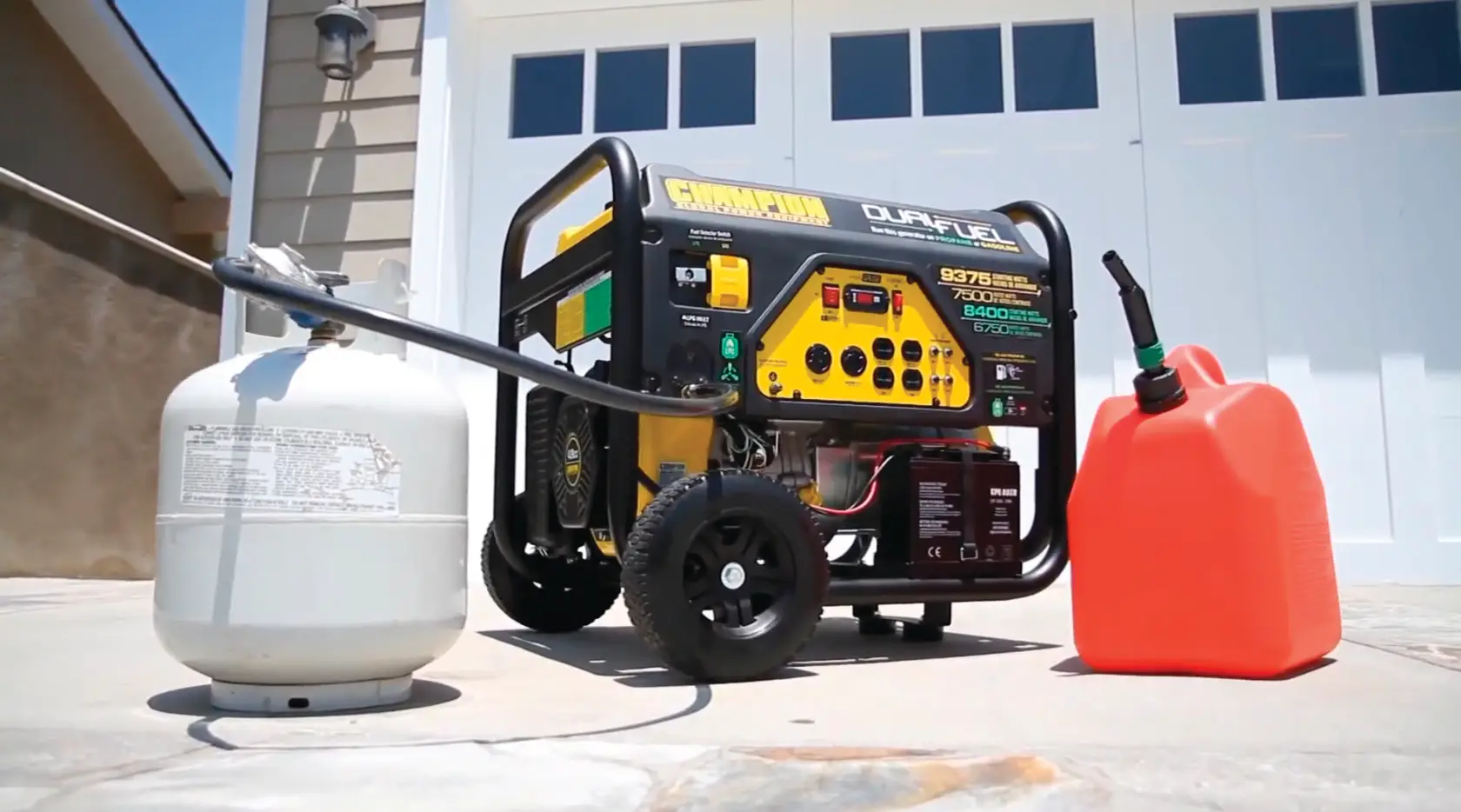
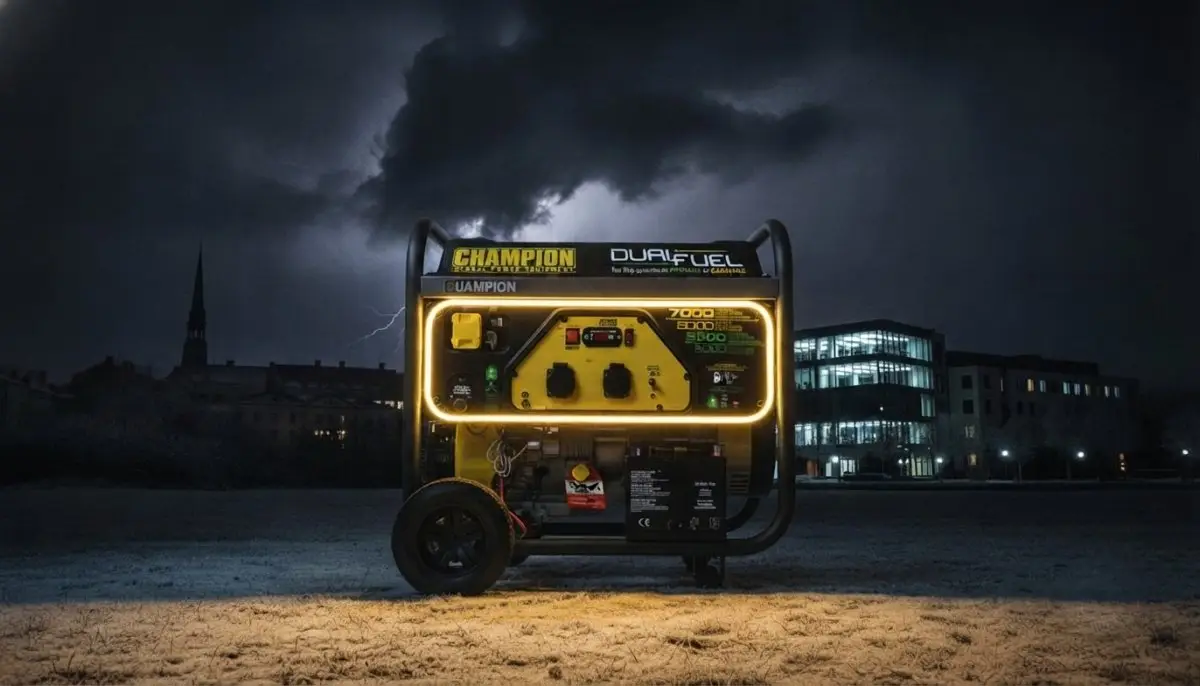
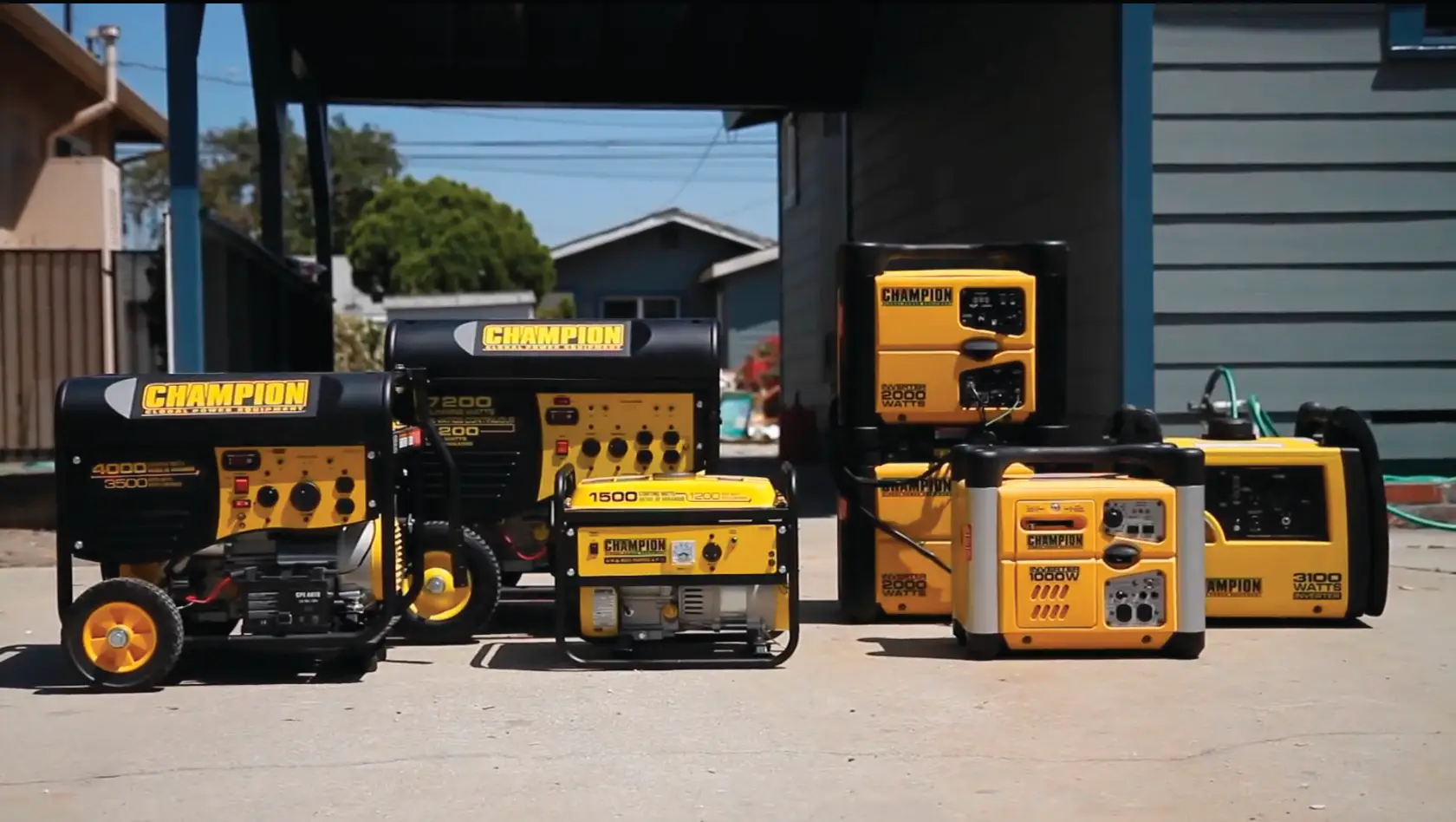
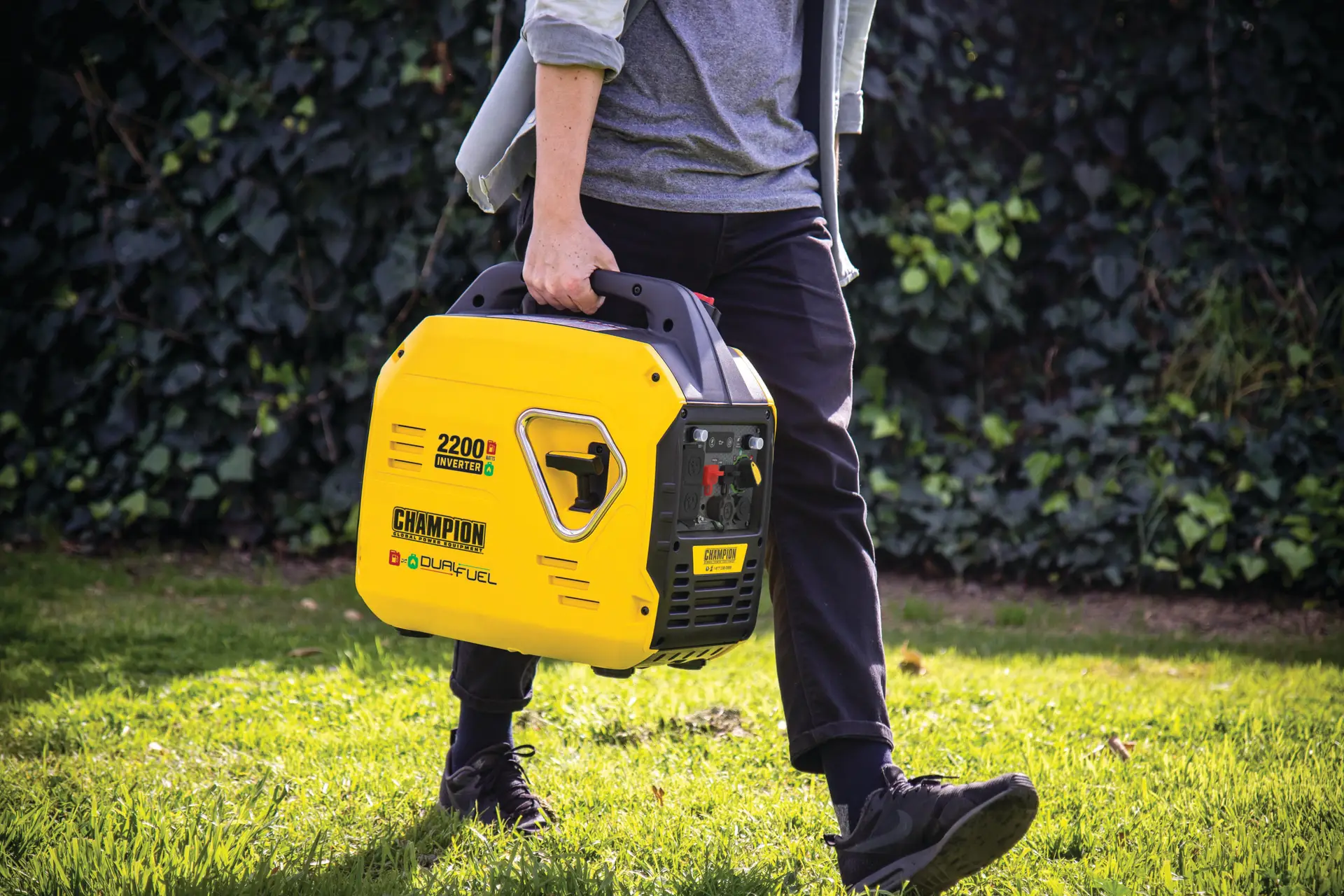
A dual fuel generator earns its keep when conditions change fast. One day you have gasoline on hand, the next day propane is the easier option, cleaner to store, or simply what you have during an outage. If you want to know how to use dual fuel generator equipment properly, the real job is not just getting it to start. It is choosing the right fuel, setting it up safely, and managing load without abusing the machine.
For homeowners, workshop users, and field crews, that flexibility is the main advantage. You can keep working when one fuel type is limited, and you can choose the setup that fits the weather, run time, and storage conditions. But dual fuel does not mean guesswork. It still needs a disciplined startup routine, a safe location, and a clear understanding of what the generator can actually power.
How to use dual fuel generator step by step
Start with the manual for your specific unit, because controls and switch positions vary. That said, the operating logic is usually the same across most portable dual fuel models.
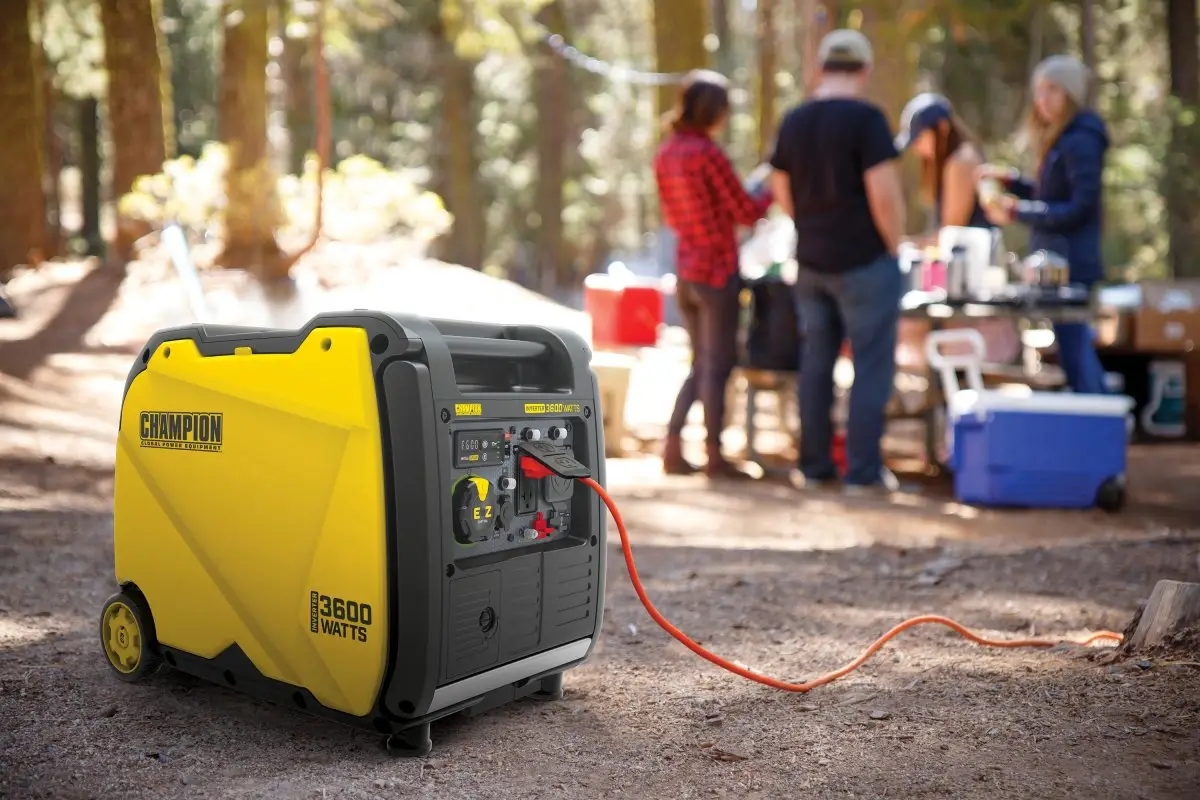
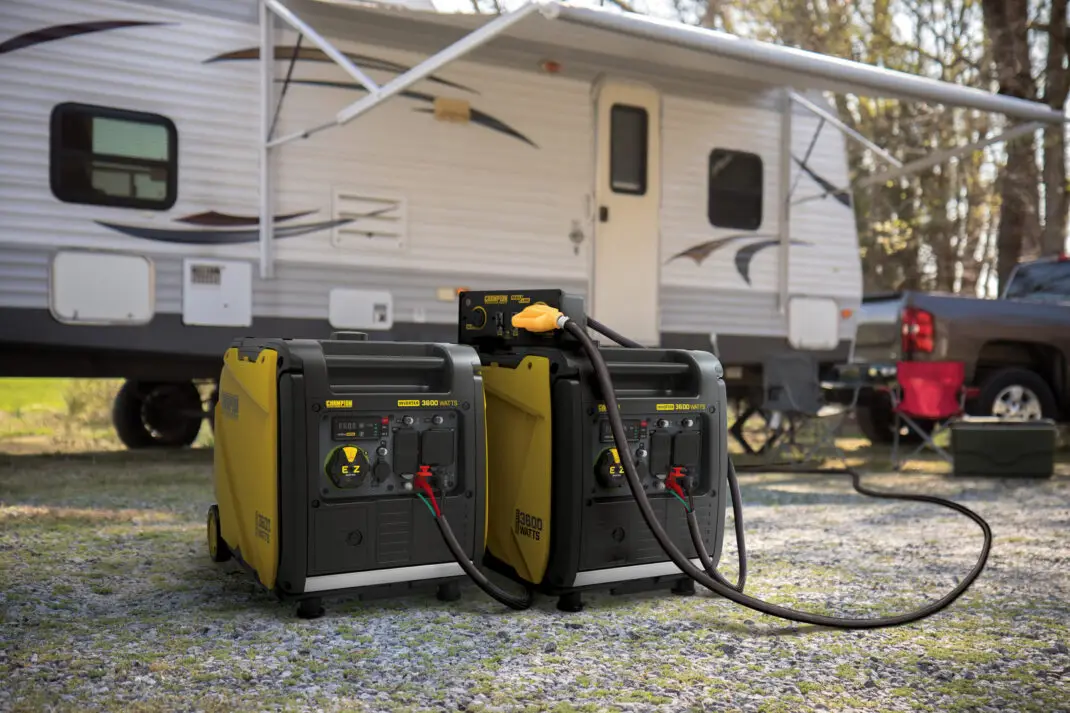
First, place the generator outdoors on a flat, dry, stable surface. Keep it well away from doors, windows, vents, garages, sheds, and crawlspace openings. Carbon monoxide is the hazard that matters most, and distance matters. A generator that runs fine can still put exhaust where you do not want it.
Next, check the basics before you even think about starting it. Confirm the engine has the correct oil level, make sure there is no visible fuel leak, inspect the propane hose and regulator if you plan to run gas, and verify that all connected appliances are unplugged or all breakers are off. Starting with no load is easier on the engine and helps prevent voltage drop during crank.
Then select your fuel source. If you are using gasoline, fill the tank with fresh fuel and open the fuel valve if your model has one. If you are using propane, connect the regulator securely to the cylinder, open the tank valve slowly, and check that the hose is not kinked or pinched. On many units, you also need to set the fuel selector switch to gasoline or propane before starting.
Now start the generator according to the engine condition. A cold engine may need choke if running on gasoline. Propane starting often works without the same choke process, depending on the model and temperature. Use the recoil starter or electric start, let the engine stabilize for a minute or two, and only then begin adding load.
That final step matters. Plug in equipment one item at a time, starting with the largest load if needed, and stay within the generator’s running wattage. Motor-driven tools, pumps, refrigerators, and compressors need more power at startup than they do while running. If the generator bogs down hard, trips protection, or struggles to recover, the load is too aggressive.
Choosing between gasoline and propane
The practical answer is that it depends on the job.
Gasoline usually gives you higher peak output on many dual fuel models. If you need every available watt for startup surge, gasoline may be the better choice. It is also familiar for many users and easy to source in normal conditions. The trade-off is storage life. Gasoline degrades over time, especially if it is not treated, and carburetors do not like stale fuel.
Propane is often the smarter choice for standby readiness. It stores longer, burns cleaner, and can reduce carburetor issues because you are not leaving fuel varnish in the system. For occasional outage use or seasonal backup, that is a real benefit. The trade-off is that propane can reduce available power output compared with gasoline, and cold weather performance depends on the cylinder, fuel pressure, and ambient temperature.
For rugged winter use, this is where planning beats theory. In low temperatures, propane vaporization can become a limiting factor, especially with small cylinders under heavy load. Gasoline may start easier in some cold conditions if the engine and fuel system are in good shape, but a neglected gasoline system can cause its own problems. If you expect serious cold-weather use, keep the machine maintained, store fuel correctly, and test the unit before you actually need it.
Safe setup before you connect your equipment
The generator itself is only half the system. The way you connect loads decides whether the setup is safe or sloppy.
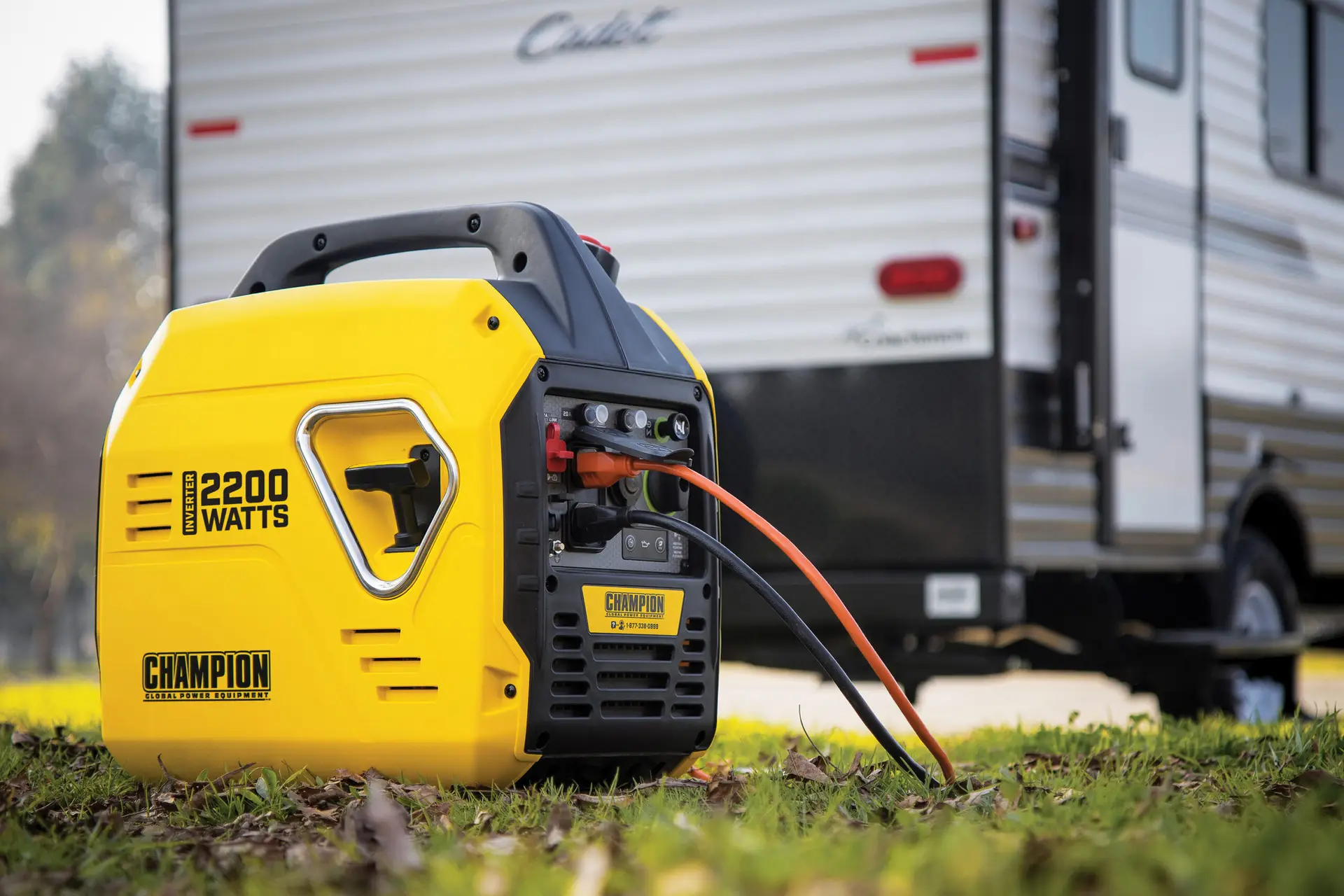
If you are powering tools, lights, pumps, or outdoor equipment directly, use heavy-duty cords rated for the current draw and outdoor conditions. Undersized cords waste power, heat up, and can damage connected equipment. Keep cord runs as short as practical.
If you are backing up part of a home, do not plug a generator straight into a wall outlet. That is backfeeding, and it is dangerous. A proper transfer switch or approved interlock setup is the right way to connect household circuits. That protects utility workers, your electrical system, and your appliances.
It is also smart to prioritize loads rather than trying to run everything. A refrigerator, freezer, heating controls, well pump, lights, and device charging are often the essentials. Electric water heaters, large air conditioning units, and heavy shop machinery can exceed what a portable unit should handle all at once. Good generator use is less about ambition and more about load discipline.
Fuel switching and shutdown without trouble
A lot of users buy dual fuel for flexibility but never get comfortable switching fuels. The safe approach is simple: reduce load first, then follow the manufacturer procedure.
On some models, you can switch with the engine off only. On others, there is a defined process for changing fuel while running. Do not assume. Follow the machine’s instructions because the sequence matters for fuel delivery and engine stability.
If you are shutting down after gasoline use, many owners prefer to turn off the fuel valve and let the engine run until it clears the carburetor, if the model allows for that procedure. That can help reduce fuel residue during storage. If you are using propane, close the cylinder valve properly and disconnect the hose once the system is no longer pressurized and the unit is cool.
Never refuel a hot generator with gasoline. Shut it down and let it cool before adding fuel. Spilled gasoline on a hot engine is the kind of mistake that turns a simple power problem into a fire scene.
Common mistakes when learning how to use dual fuel generator models
Most generator problems in the field are not caused by the engine being weak. They come from setup mistakes.
The first is poor ventilation. People still try to run generators in garages with the door cracked open, under enclosed overhangs, or too close to the house. That is not safe enough. Exhaust must stay outside and away.
The second is bad load planning. A generator may have enough running watts on paper, but startup surge from pumps, compressors, or fridges can trip overload protection. If your equipment has motors, give yourself headroom.
The third is ignoring maintenance. Oil level, air filter condition, spark plug health, battery charge on electric-start models, and fresh fuel all affect reliability. A dual fuel unit gives you more options, but it still rewards regular checks.
The fourth is neglecting propane setup. Loose fittings, damaged hoses, frozen regulators, or nearly empty cylinders create hard-start and low-output complaints. Propane is convenient, but the cylinder and regulator need the same attention as the generator.
Cold-weather use and storage
In northern climates, generators need to be ready before the storm or outage, not after it starts. Test-run the unit periodically. That means starting it, letting it warm up, and putting a real load on it for a short period. You are checking more than the engine. You are confirming your extension cords, fuel supply, startup process, and powered devices all work as expected.
Store gasoline properly and rotate it. Store propane cylinders upright and in approved locations. Keep engine oil suited to the operating temperature range recommended for the generator. Thick oil in cold weather can make starting harder, especially on recoil-start models.
Snow and rain add another variable. The generator must stay dry, but it still needs open airflow. That means weather protection designed for generator use, not a fully enclosed box or a rushed tarp setup that traps exhaust and heat.
A dual fuel generator is at its best when you treat it like working equipment, not a just-in-case gadget. Know which fuel you plan to use first, know what loads matter most, and run a few practice starts before the next outage puts pressure on every decision. That is how you get dependable power when the lights go out and the job still needs to get done.