





Blog
What Size Inverter Generator Do You Need?

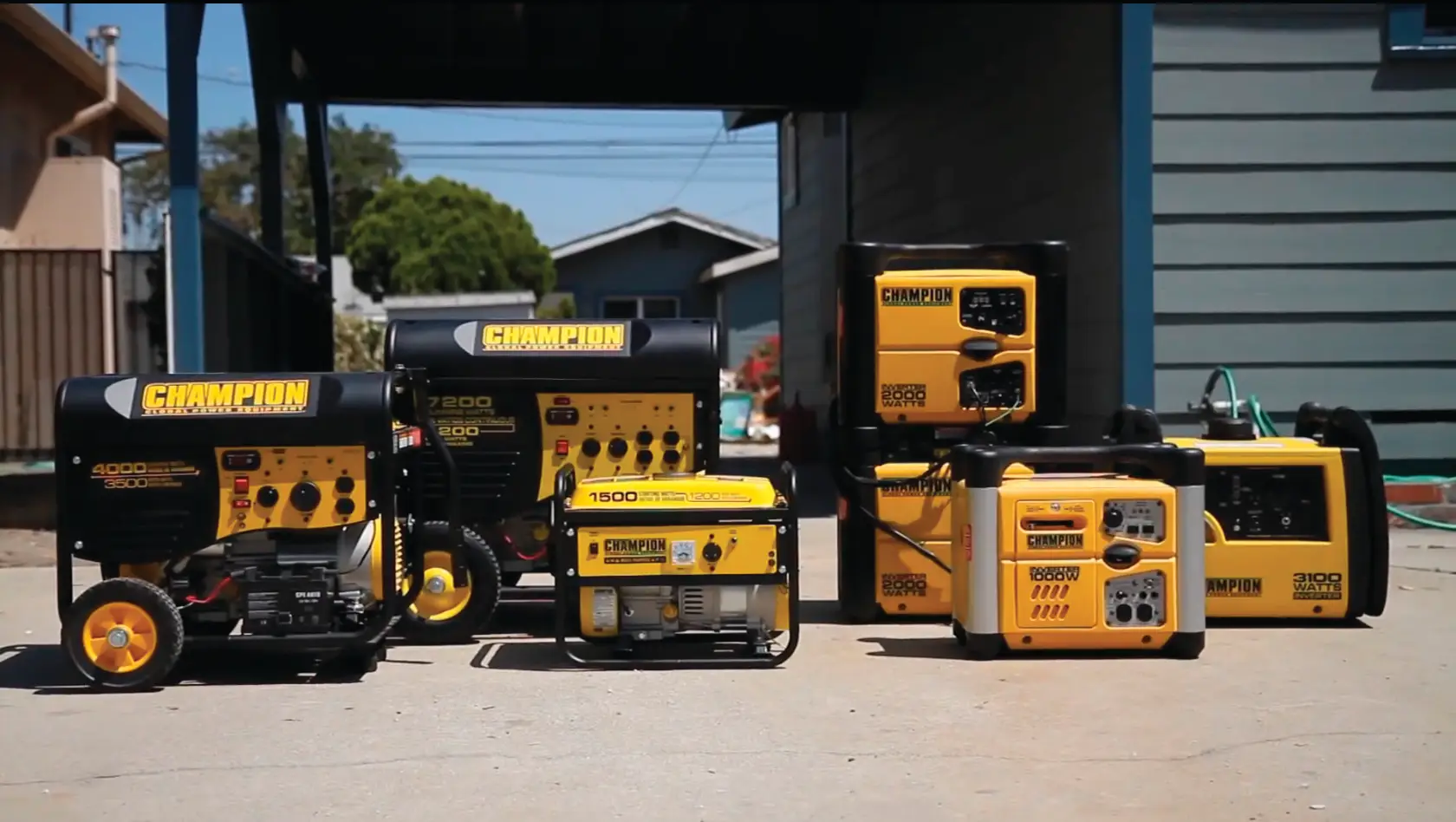
That question usually shows up right after a power outage, right before a camping trip, or when a job needs electricity far from the nearest outlet: what size inverter generator do you need? Get it wrong and you either pay for more machine than you need or end up with a generator that trips, strains, or leaves key equipment offline.
The right size comes down to three things – what you want to run, how much startup power those items need, and how much reserve you want for safe, steady operation. Inverter generators are popular because they deliver clean power, run quieter than conventional units, and adjust engine speed to demand. But the size still matters. A compact unit that is perfect for battery chargers and lights is not the same tool you want for a refrigerator, pump, and boiler controls during a winter outage.
How to figure out what size inverter generator you need
Start with the loads, not the generator. Make a list of the exact devices you want to power at the same time. Then separate them into two numbers: running watts and starting watts.
Running watts are what the equipment needs once it is operating normally. Starting watts are the short surge some motors need when they first kick on. Refrigerators, freezers, pumps, compressors, and power tools often need a noticeable startup boost. Electronics, lights, chargers, and resistance heaters are more straightforward because their startup draw is usually close to their running draw.
If you only total running watts, you can undersize the generator even when the math looks fine on paper. A fridge that runs at 700 watts may need 1,500 watts or more for startup. A pump can be even more demanding. That surge is often what decides the minimum size.
A good rule is simple: add the running watts of everything you want on at once, then add enough headroom to cover the largest startup load. After that, leave some reserve so the generator is not working flat out all day. Running at the limit all the time means more noise, more fuel use, and less breathing room if another load cycles on.
What size inverter generator fits common real-world use cases?
The easiest way to think about generator size is by job, not by theory.
Small portable needs – 1,000 to 2,000 watts
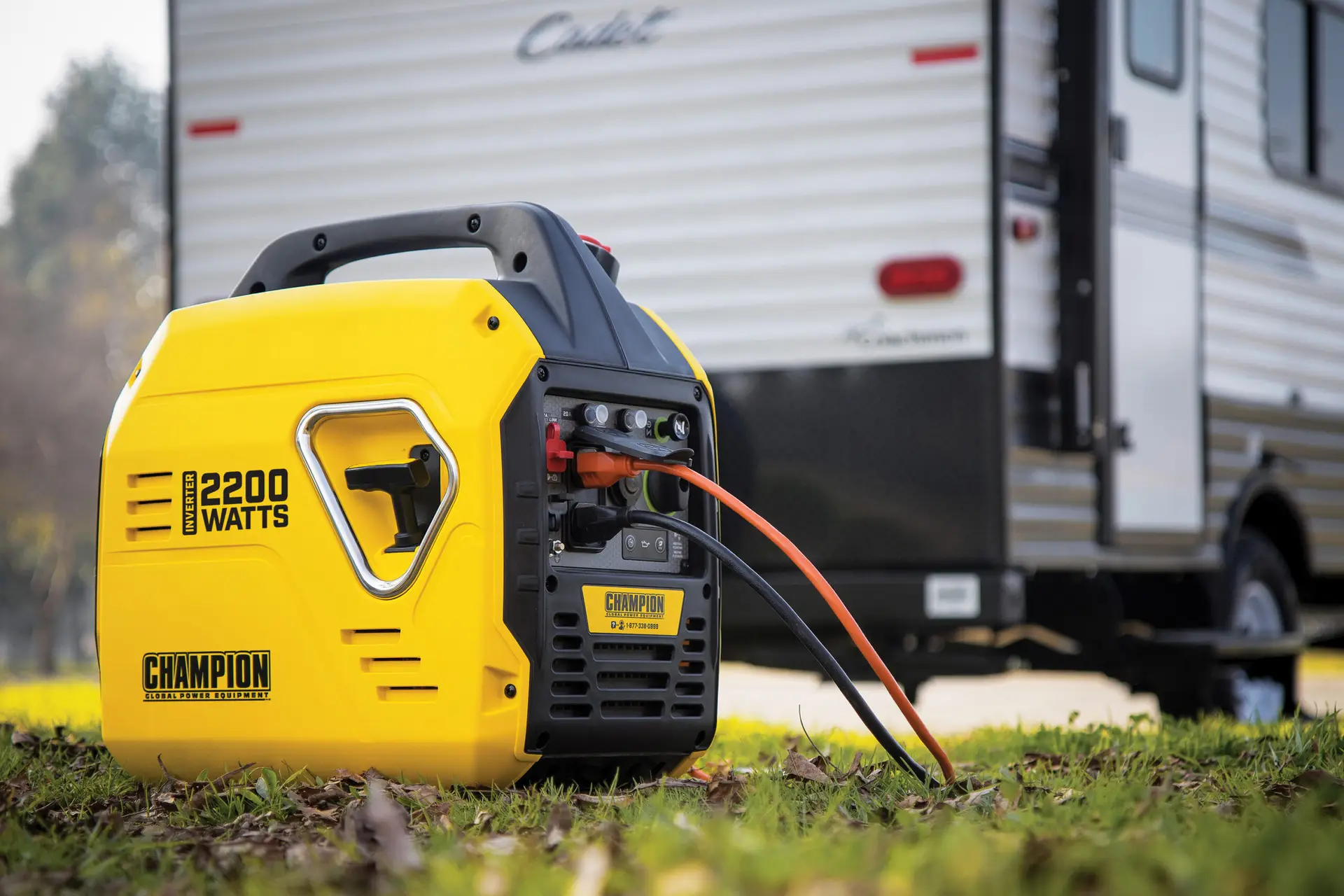
This range is built for light, mobile power. It suits phone and tool battery charging, LED lighting, laptops, routers, small TVs, and a few low-draw appliances. It is also a strong fit for camping, light van use, and quick backup for communications equipment.
What it does not do well is support multiple motor-driven appliances at once. If your plan includes a refrigerator plus other household loads, this range gets tight fast.
Flexible home and field use – 2,000 to 3,500 watts
For many buyers, this is the sweet spot. A quality inverter generator in this range can often run a refrigerator, freezer, lights, chargers, internet equipment, and a few small household essentials. It also works well for mobile trades, outdoor events, and fieldwork where quiet operation matters.
This size is often enough for backup power with discipline. That means you manage loads instead of turning on everything at once. You might run the fridge and lights, then switch over to a microwave or kettle briefly, rather than stacking every appliance at the same time.
Serious backup and heavier loads – 3,500 to 5,000+ watts
Once you want more comfort, more simultaneous loads, or more motor-driven equipment, you move into this range. It is better suited to heavier home backup, larger tools, pumps, and situations where startup surges matter.
This is also where inverter generators start making sense for users who want quiet, cleaner power but still need real output. If you are protecting food storage, heating system controls, sump or transfer pumping, and essential household circuits during bad weather, extra capacity is not a luxury. It is margin.
Typical appliance examples that change the sizing
A few loads tend to decide the whole purchase.
Refrigerators and freezers are common priority items. Their running demand may look modest, but compressor startup can push the required generator size up quickly. Sump pumps and well pumps are another big one. They may not run constantly, but when they start, they hit hard. If you live where storms and cold weather can create real downtime, sizing for these loads is usually smarter than sizing only for lights and phone chargers.
Microwaves, coffee makers, kettles, and portable heaters also surprise people. They do not always have a huge startup surge, but they can pull a lot of continuous wattage. Add one of those to a running fridge and a few smaller loads and a compact generator can hit its ceiling sooner than expected.
Sensitive electronics are one more reason buyers choose inverter models. Laptops, modern TVs, chargers, and control boards prefer stable, clean power. That does not automatically mean you need a larger unit, but it does mean you should not size too tightly and force the generator to struggle under changing loads.
What size inverter generator for home backup?
If your goal is emergency home backup, the answer depends on whether you mean survival or normal living.
For survival, many households can get by with a 2,000 to 3,500 watt inverter generator if they are only running essentials. That usually means refrigeration, a few lights, device charging, router, and perhaps one or two additional small loads. It is practical, quieter, easier to move, and more fuel-efficient.
For more normal living, you will need more capacity. Once you add pump loads, cooking appliances, heating system support, or several rooms of household use, the number climbs. In colder conditions, this matters even more because the equipment you count on most often includes motor-driven systems and critical controls. A generator that handles summer convenience loads may not be enough for winter reliability.
The safest move is to decide in advance what must stay on during an outage. Not what would be nice. What must work.
Why headroom matters more than people think
A generator that is technically large enough is not always the right generator.
If your total demand sits very close to the rated output, the machine has little reserve for startup spikes, battery charging cycles, or surprise loads. That can mean overload shutdowns or frequent load management when you least want to think about it.
Headroom also improves day-to-day usability. A generator running comfortably below its limit is generally less stressed and easier to live with. For many buyers, that means better fuel economy at partial load, steadier performance, and less frustration. Quiet operation matters too, especially around homes, camps, service vehicles, and night use.
As a practical target, many users size the generator so their expected continuous load sits well below the unit’s maximum output. Exact percentages depend on the equipment mix, but the principle stays the same: leave space.
Parallel-ready units vs one larger inverter generator
There is more than one way to reach the right output.
Some buyers prefer a smaller inverter generator that covers daily light-duty needs, then add a second matching unit later for more power. Parallel capability makes that possible on certain models. This setup can be smart if portability matters or if you do not always need full output.
The trade-off is complexity. Two units mean more handling, more storage space, and more maintenance points. One larger generator is simpler when you know your power needs are consistent and non-negotiable.
If you often work alone, move equipment frequently, or want a generator for both recreation and backup duty, a smaller parallel-ready setup can be flexible. If your main concern is dependable household backup during tough conditions, one properly sized unit is often the more straightforward choice.
Mistakes to avoid when choosing what size inverter generator
The first mistake is sizing from guesswork. Appliance labels, manuals, and measured wattage are better than rough estimates.
The second is ignoring startup loads. This is the most common reason a generator feels underpowered even when the listed running watts seem fine.
The third is buying for every possible load in the house. That can push you into a bigger, heavier, more expensive unit than you actually need. Most people are better off defining a priority circuit mindset: refrigeration, communications, lighting, critical pumps, and a few targeted extras.
The fourth is forgetting operating conditions. Cold weather starts, long extension runs, and outdoor use all make reliability more than a spec sheet issue. A generator used in demanding conditions should be sized with margin, not optimism.
If you are still deciding, work backward from your non-negotiables. Count the loads that must run together, account for the biggest motor startup, and give yourself reserve. That gets you much closer to the right inverter generator than buying by price tag or marketing category alone. When the weather turns or the work starts, the best size is the one that carries the load without drama.