





Blog
Best Generator for Off Grid Cabin Use

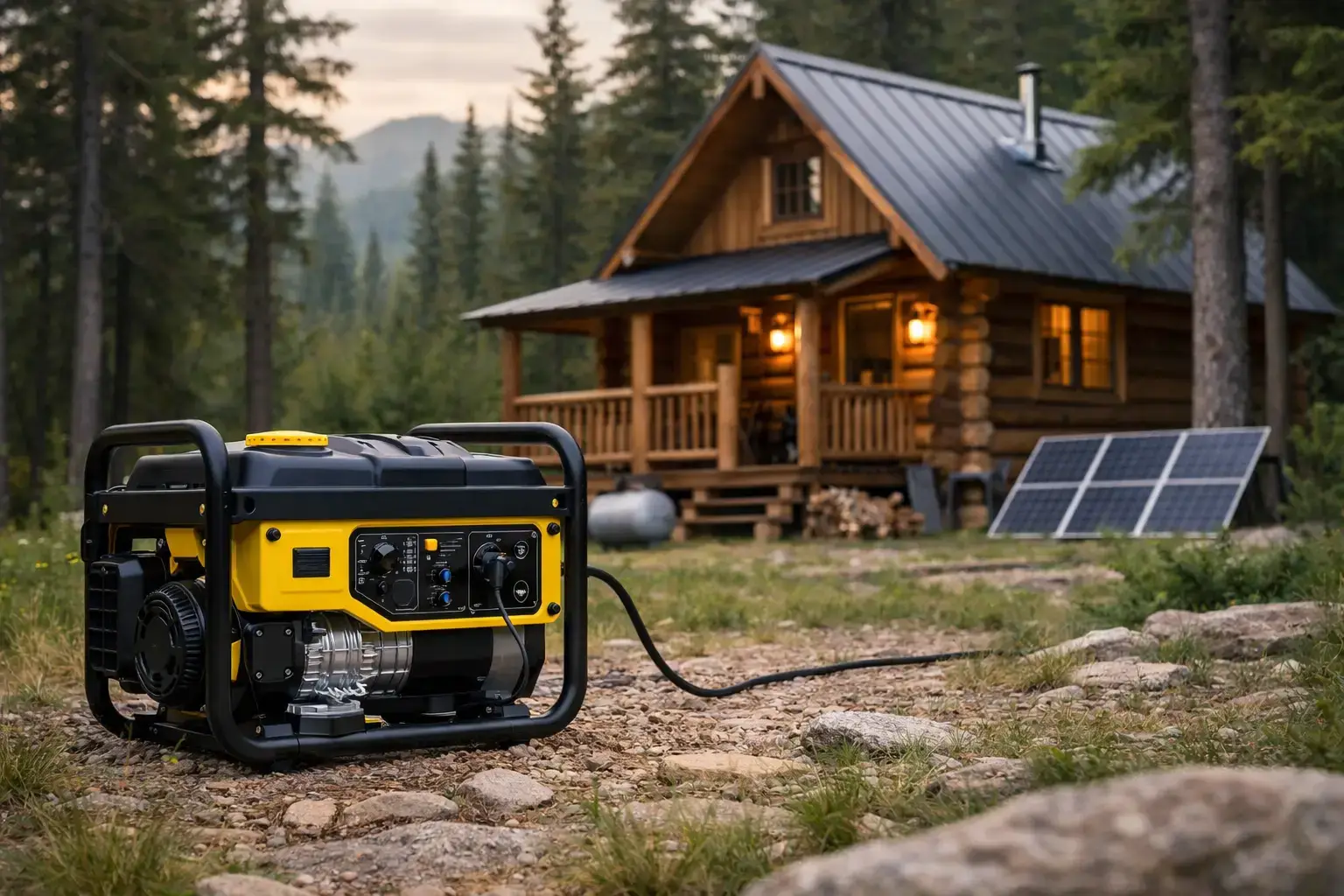
A cabin generator usually gets judged on the worst day, not the best one. It is easy to like a machine when the weather is mild and the load is light. The real test comes when temperatures drop, batteries are low, the pump needs to run, and you need dependable power without guesswork. Choosing the right generator for off grid cabin use starts there.
For most cabin owners, the job is not simply making electricity. It is covering real loads, handling startup surges, managing fuel, and working in conditions that are harder than a suburban backup setup. That means the best choice depends on how your cabin is used, what appliances matter most, and whether the generator is a daily power source, a battery-charging tool, or emergency backup for a larger off-grid system.
How to choose a generator for off grid cabin power
The first question is simple: what do you actually need to run? A few LED lights, phone chargers, and a small fridge require one kind of machine. A deep well pump, microwave, power tools, electric water heater, or mini-split HVAC system push you into a very different class.
Running watts matter, but starting watts often decide whether a generator feels capable or frustrating. Motors and compressors need extra power at startup. A refrigerator might run modestly once it is going, but the startup surge can be much higher. The same applies to pumps, freezers, and many shop tools. If your generator can handle the running load but struggles at startup, you will feel it fast.
For a basic weekend cabin, many owners can stay in the 2000 to 3500 watt range if they are careful about what runs at the same time. For a more fully equipped cabin with pump loads, kitchen appliances, and battery charging, 4000 to 8000 watts is often a more realistic working range. Once you start talking about whole-cabin coverage with heavier electrical demands, you may need more than that, but bigger is not always smarter. Large generators use more fuel, take up more space, and can spend much of their life running inefficiently under light loads.
That is why load planning matters more than buying the biggest unit you can afford. A generator that matches your real use case is easier to live with, easier to fuel, and usually quieter.
Inverter vs conventional generator for off grid cabin setups
If your cabin power needs are moderate and you care about noise, fuel use, and safe power for electronics, inverter generators are often the better fit. They are especially useful for charging batteries, running laptops, powering routers, and handling lighter household loads without the rougher output associated with older, basic generator designs.
They also tend to throttle down under lower demand, which helps with fuel economy and noise. That matters at a cabin where you may run the machine for long stretches and do not want the constant bark of a louder open-frame unit.
Conventional generators still have their place. If you need more raw power for pumps, tools, heavier cabin loads, or broader backup coverage, an open-frame or larger traditional generator can offer better value per watt. The trade-off is usually more noise, more weight, and less refined power delivery. For many off-grid users, that trade makes sense if the machine is primarily there to do hard work and not sit near a quiet deck all evening.
A practical middle ground is a larger inverter generator or a dual-fuel inverter model. That combination gives you cleaner power with better flexibility, especially if your cabin setup includes sensitive electronics or a battery bank with a charger that benefits from stable output.
Fuel type matters more than most buyers expect
Fuel choice affects convenience, cold-weather performance, runtime, and long-term storage. For cabin use, there is no perfect answer. There is only the best fit for how remote your property is and how often you use it.
Gasoline is common and easy to find, which makes it a practical starting point. It also tends to support strong portable generator performance. The downside is storage life. If fuel sits too long without proper management, it becomes a liability. Carburetors do not forgive neglect.
Propane is cleaner-burning and easier to store over time. For seasonal cabins or backup use, that is a real advantage. Many owners like dual-fuel generators because they can run propane for convenience and long-term readiness, while still keeping gasoline as a backup option. That flexibility is valuable when fuel availability changes or cold conditions affect your plans.
Diesel can be a strong option for heavy-duty use, long runtime, and serious durability, but it is not always the first choice for smaller recreational cabins. Diesel units tend to be heavier and can make more sense where higher sustained loads are common.
In colder climates, fuel planning becomes even more important. Equipment built for tough conditions, with dependable starting and practical maintenance support, is worth more than a low price on paper.
Noise, portability, and runtime
Cabin owners often focus on wattage first, then regret ignoring the daily realities. Noise is one of those realities. If the generator sits close to your cabin, a quieter model can make the whole property more usable. You hear the difference during meals, early mornings, and long evenings.
Portability matters too. A unit with wheels and handles may sound like a minor feature until you need to move it over uneven ground, snow, or wet gravel. If the generator is too heavy to position safely, that becomes a problem fast.
Runtime is where expectations need to stay realistic. A smaller efficient inverter may run a long time on light loads, but that changes once you ask more from it. A larger tank helps, but so does running the right size machine for the job. Some off-grid cabins use generators in timed charging windows rather than all day. That approach can reduce fuel burn, noise, and maintenance if your broader system includes batteries and an inverter.
Sizing for real cabin loads
This is where many buying mistakes happen. People either underestimate startup loads or overestimate what they need because they imagine every appliance running at once.
Start with your must-run items. Usually that means lighting, refrigeration, battery charging, water pumping, and a few outlet loads. Then look at the occasional heavier draws, like a microwave, toaster, coffee maker, sump pump, or saw. If two heavy appliances are unlikely to run together, do not size the whole system around a worst-case fantasy. Size it around actual use and keep some headroom.
For example, a cabin with LED lighting, a refrigerator, device charging, a TV, and occasional microwave use may do well with a quality inverter generator in the mid-range. Add a well pump, electric cooking, workshop tools, or electric heat, and the equation changes fast. Electric resistance heating is especially demanding. If your cabin relies on electric heat or electric water heating, generator sizing becomes much less forgiving.
If you are charging a battery bank, think beyond the generator label. The charger or inverter-charger determines how much AC power the system can absorb. An oversized generator may not give you much real-world benefit if the charging equipment bottlenecks intake.
Cold-weather reliability is not optional
A cabin generator should start when conditions are bad, not only when they are convenient. That is one reason buyers in northern and rural areas tend to prioritize known cold-start performance, steady output, and easy access to maintenance items.
Oil choice, fuel condition, battery health for electric-start models, and routine servicing all affect reliability. A well-chosen generator still needs basic care. That means fresh fuel, proper storage, regular test runs, and the right replacement parts on hand. Spark plugs, oil, filters, and service items are not exciting purchases, but they are often what separates ready equipment from dead weight.
This is also where buying from a specialist matters. If you use portable power regularly, long-term support is part of the product, not an extra.
Safety and setup at the cabin
Never treat generator placement as an afterthought. Carbon monoxide risk is serious, and generators must be run well away from living spaces, openings, and enclosed areas. Dry placement, stable footing, and weather-aware operation all matter.
You also need a clear plan for connection. Some cabin owners run extension cords directly to essential appliances. Others use a transfer setup or integrate the generator into an off-grid electrical system. The more permanent and capable the cabin system is, the more important proper installation becomes.
Grounding, overload protection, and fuel storage should be handled with the same practical mindset as generator sizing. Reliable power is not just about the machine. It is about the whole setup working safely under pressure.
What makes the best generator for off grid cabin use?
Usually, it is the one that matches your load profile, starts reliably in your weather, and does not make daily use harder than it needs to be. For many buyers, that means an inverter generator for lighter-duty or mixed-use cabins, and a larger dual-fuel or conventional model for cabins with pumps, tools, or broader household demands.
If your cabin use is occasional, fuel flexibility and quiet operation may matter most. If it is a working property, output, runtime, and durability move higher on the list. And if you already have solar and batteries, your generator should be chosen as part of that system, not as a separate guess.
A good cabin generator is not the one with the biggest number on the box. It is the one you trust to start, carry the load, and keep your place running when there is no margin for excuses.
