





Blog
Water Pump Selection Guide That Gets It Right

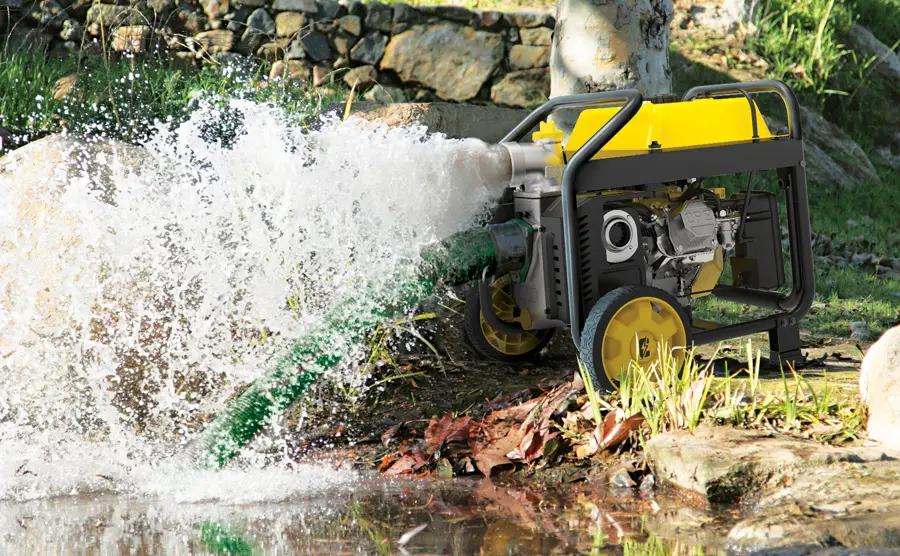
When a site is flooding, a tank needs filling, or you have to move water fast before the weather turns, guessing is expensive. A good water pump selection guide helps you choose for flow, lift, water type, and runtime – not just engine size or price.
Too many buyers start with the wrong question. They ask, “How powerful is it?” The better question is, “What job does this pump need to finish, under real conditions?” A pump that looks strong on paper can still be the wrong tool if it cannot handle solids, loses output over distance, or runs inefficiently for the job at hand.
What a water pump selection guide should focus on
A pump is only as useful as its match to the job. For most homeowners, landowners, tradespeople, and field users, the key factors are flow rate, total head, suction lift, water quality, hose size, and expected runtime. Miss one of those, and performance drops quickly.
Flow rate tells you how much water the pump can move, usually in gallons per minute. High flow matters when you need speed, such as draining a flooded basement, emptying a pool, or moving water from one storage point to another. But flow on its own does not tell the full story. A pump may move a lot of water over short, flat runs and struggle badly once vertical lift or longer hose distances are added.
Total head is where many buying mistakes happen. This is the combined resistance the pump must overcome, including vertical lift and friction loss through hose length, fittings, and bends. If you need to move water uphill or over a long distance, head matters as much as flow. In real use, every elbow, narrow hose, and extra meter of run cuts performance.
Suction lift is another limit that gets overlooked. Surface pumps pull water up only so far before physics becomes the problem. If the source is deep, the pump position and priming setup matter. In cold or muddy conditions, setup mistakes show up even faster.
Start with the water, not the pump
Before you compare specs, look at the water itself. Clean water, dirty water, and water carrying solids are three different jobs.
For clean water transfer, a standard transfer pump is usually the right fit. These are built to move large volumes efficiently when the water is relatively free of debris. They work well for tanks, irrigation supply, general property water transfer, and floodwater with minimal contamination.
For dirty water, you need more tolerance. If the water contains sand, silt, leaves, or small debris, a standard clean-water pump may clog, wear early, or lose prime. That is where a semi-trash or trash pump becomes the safer choice. These pumps are built with wider passages and stronger internal components to deal with contaminated water.
If solids are part of the job, be specific about their size and concentration. Not every trash pump handles the same material. Some are meant for occasional dirty water. Others are designed for heavier drainage work where debris is expected. If you underspec here, the pump may still run, but service intervals shorten and reliability drops when you need it most.
How to size the pump for real-world use
The fastest way to narrow the field is to define three numbers: how much water you need to move, how high you need to move it, and how far it has to travel.
If speed is the priority, focus on flow rate. If elevation or long hose runs are the issue, focus on head performance. The right pump balances both. A bigger pump is not always the smarter buy, because higher capacity can mean more fuel use, more weight, and less efficient operation if your actual demand is moderate.
Hose diameter also affects results more than many buyers expect. A smaller hose can choke output even if the pump itself has strong rated performance. Matching inlet and outlet sizes properly helps the pump work as intended. Reducing hose size may seem convenient, but it often costs you flow and increases strain on the system.
Priming matters too. Many portable water pumps require priming before operation. If the pump will be used in emergency drainage, remote work, or cold-weather conditions, ease of setup matters as much as headline performance. The pump that starts fast and works consistently is usually the better investment than one that promises more on paper but takes extra effort every time.
Choosing between transfer pumps and trash pumps
This is the decision point for many buyers. A transfer pump is usually lighter, efficient, and ideal for moving cleaner water fast. It makes sense for irrigation, tanks, pools, and general-purpose water transfer where debris is limited.
A trash pump is built for harsher work. It is the better choice for construction sites, ditch drainage, storm cleanup, ponds, trenches, and any situation where dirty water is likely. That extra capability usually means more weight and sometimes a higher upfront cost, but it buys you durability where a standard transfer pump may fail early.
If your use is mixed, it comes down to what failure would cost you. If the pump will occasionally see dirty conditions and downtime is a serious problem, it often makes sense to step up to a more tolerant pump. If nearly every job involves clean water and portability matters, a transfer pump is often the better fit.
Engine, portability, and runtime matter more than specs suggest
Portable water pumps are not just hydraulic tools. They are field equipment. That means engine reliability, frame protection, carrying weight, fuel capacity, and service access all matter.
A pump that performs well in ideal conditions but is hard to move, awkward to refuel, or difficult to maintain can become a poor choice for regular use. Homeowners may prioritize quick deployment and simple controls. Tradespeople and field users may put more value on runtime, tougher frames, and the ability to keep the unit working through long days.
Cold-weather behavior deserves extra attention if the pump may be stored in a shed, truck, trailer, or unheated building. Starting reliability, fuel management, and proper draining after use all become more important when temperatures drop. Water left in the pump housing can freeze, expand, and damage components. Reliability starts with good selection, but it continues with proper handling.
Common buying mistakes this water pump selection guide can help you avoid
The most common mistake is buying by outlet size alone. A 2-inch or 3-inch label does not tell you enough about actual performance. You still need to compare flow curves, head capability, and solids handling.
The next mistake is ignoring hose length and elevation. Buyers often look at the pump beside the water source and forget where the discharge point actually is. Once you add lift and friction loss, the real output can be much lower than expected.
Another common error is choosing a clean-water pump for dirty drainage because the price looks better. That decision often costs more later in clogs, seal wear, impeller damage, and lost time.
Some buyers also underestimate maintenance access. If you expect regular use, check how easy it is to inspect the pump, clear debris, change oil, and source replacement parts. Ownership is easier when maintenance items are straightforward to get and the machine is designed for real service, not occasional light duty.
A practical way to choose the right pump
Start with the job description, not the product page. Ask what kind of water you are moving, how quickly it needs to move, what vertical lift is involved, how long the hose run will be, and how often the pump will be used. Then match those answers to pump type and performance.
If the job is clean water transfer with moderate lift and a need for portability, a transfer pump is usually the efficient answer. If the job includes muddy water, suspended debris, or rough drainage work, move toward a semi-trash or trash pump. If the pump may be used in emergencies, favor dependable starting, simple setup, and proven serviceability over marketing-heavy spec claims.
For buyers who want equipment that is ready for work, not just ready for checkout, this is where a specialist supplier makes a difference. Champion Baltics focuses on practical equipment ownership, including the parts and support that matter after the first day of use.
The right pump is not the one with the biggest numbers. It is the one that moves the water you have, across the distance you face, in the conditions you actually work in. Buy for that reality, and the pump will earn its place the first time the job turns urgent.