



Blog
Portable Power Generator for Home Use

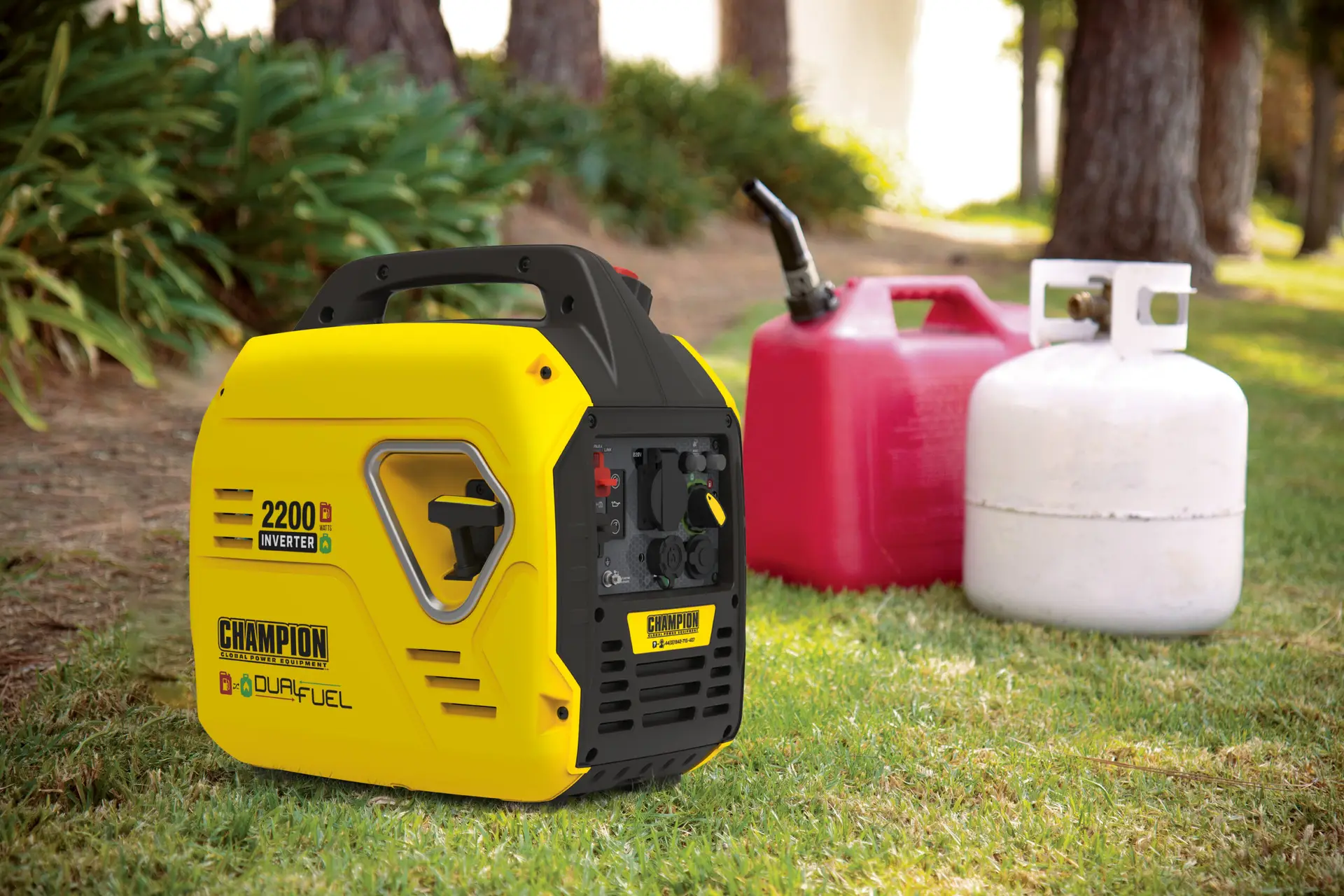
When the lights go out in the middle of a freezing night, a portable power generator for home use stops being a nice-to-have and starts being the piece of equipment that keeps your heating system, refrigerator, lights, and basic tools running. For homeowners, rural properties, workshops, and backup-ready households, the right generator is not just about power on paper. It is about starting reliably, carrying the loads that matter, and working when conditions are cold, wet, and inconvenient.
What a portable power generator for home really needs to do
A home backup generator has one job: keep essential systems running without drama. That sounds simple, but the right setup depends on what you expect it to power. Some buyers only need enough output for a fridge, freezer, a few lights, phone charging, and a circulation pump. Others want to support a sump pump, garage tools, a microwave, or parts of a heating system.
That is why wattage matters more than broad claims like “home backup ready.” A generator that is easy to move but too small for startup loads will disappoint you fast. A larger unit with more headroom may cost more and use more fuel, but it gives you breathing room when motors kick on or weather conditions get rough.
The first question is not which model looks best. It is what needs to stay on when the grid drops.
Start with your real power demand
The most practical way to choose a generator is to separate running watts from starting watts. Running watts are what an appliance uses once it is operating normally. Starting watts are the temporary surge many motors need when they first switch on. Refrigerators, pumps, compressors, and some heating equipment can pull significantly more power at startup than during normal operation.
If you only total the running load, you risk buying a machine that trips when multiple devices start together. That is one of the most common mistakes buyers make. A little reserve capacity goes a long way in real use.
For basic emergency home backup, many households focus on a few priority items: refrigeration, lighting, router, battery charging, and one or two critical circuits. If you want broader coverage, such as pumps, kitchen equipment, power tools, or more than one motor-driven appliance, move up in output rather than trying to run close to the limit.
A practical generator setup should feel controlled, not overloaded.
Inverter or conventional generator?
This choice depends on how you plan to use the unit. Inverter generators are popular for home backup because they deliver cleaner power, which is better for sensitive electronics like routers, laptops, chargers, and control boards. They are also typically quieter and more fuel-efficient under partial loads. For residential areas, nighttime use, and mixed household electronics, that matters.
Conventional generators still make sense when your main priority is higher output for the money or powering heavier loads in tougher work conditions. They are often chosen for larger backup demands, workshops, pumps, and field use where raw capacity matters more than low noise.
There is a trade-off. Inverter models usually win on noise, portability, and power quality. Conventional units often win on maximum output and value in larger sizes. Neither is automatically better. It depends on whether your home backup plan is electronics-heavy, motor-heavy, or somewhere in between.
Fuel type changes how the generator fits your life
Fuel choice is not a small detail. It affects storage, runtime, cold-weather behavior, operating cost, and how prepared you are during a long outage.
Petrol generators are common because they are straightforward and widely understood. They are often a strong fit for occasional emergency use and general-purpose backup. If maintained properly, they are practical and reliable, but fuel storage management matters.
Dual fuel generators give you more flexibility. That can be a major advantage when fuel availability changes or you want options for storage and runtime planning. For homeowners focused on preparedness, versatility is a real selling point, not a marketing extra.
Diesel units are often chosen for durability, efficiency under load, and serious-duty use. They can make sense for heavier backup demands, workshops, landowners, or longer operating periods, though portability and noise can differ from smaller inverter-style units.
In cold climates, starting performance matters as much as fuel type itself. Equipment built with cold-weather operation in mind has a clear advantage when conditions are working against you.
Portability is not just about wheels
A generator may be called portable, but the real question is whether you can move it safely and position it correctly when time matters. Weight, handle design, wheel kit quality, frame strength, and lifting points all affect real usability.
For occasional residential backup, a compact machine that one person can roll into place is often the most realistic option. For larger outputs, portability usually means two-person handling or a well-designed wheel kit rather than true one-person lifting. That is normal. More power usually means more size and weight.
Think about where the generator will be stored, how far it needs to travel, and what the ground surface is like in bad weather. Gravel, snow, mud, and uneven yards expose weak transport design quickly.
Noise matters more at home than on a jobsite
Many buyers focus on wattage first and only think about noise later. At home, that can be a mistake. A generator running overnight near bedrooms, neighbors, or outdoor living space becomes much harder to live with if sound levels are high.
Inverter generators usually have the edge here. They are often better suited to residential backup where quiet operation is part of the value. That said, larger conventional units may still be the right answer if your power demands are higher. It becomes a balance between comfort and capacity.
If you expect to run the unit for extended periods, quieter operation is not a luxury. It is part of everyday practicality.
Safety is non-negotiable
A portable power generator for home backup must be used correctly. That starts with operating it outdoors in a well-ventilated area and never in enclosed or semi-enclosed spaces. Carbon monoxide risk is serious, and safe placement is not optional.
You also need a proper connection plan. Some households use extension cords for a few appliances. Others use a transfer setup installed for selected circuits. The right approach depends on your property, the appliances you need to support, and how organized you want your backup power to be.
Protection features matter too. Low-oil shutdown, overload protection, covered outlets, and stable power delivery all add real-world security. These are the details that separate a generator that looks good in a listing from one that earns trust during an outage.
Runtime, maintenance, and ownership reality
A generator is not a one-time purchase that you forget about until the next storm. Runtime, service access, oil changes, air filter checks, spark plugs, and replacement parts all shape long-term value.
That is why support and parts availability should be part of the buying decision. A machine that performs well but becomes difficult to maintain is a weak backup strategy. Owners who rely on their equipment season after season usually care about practical upkeep just as much as initial specifications.
It also pays to think about runtime at partial load, not just headline numbers. Manufacturers often advertise runtime under controlled conditions. Real use varies. If your home backup plan involves cycling appliances, heating components, and charging devices, actual fuel use may look different from ideal test figures.
Champion Baltics focuses heavily on this ownership side of the category because serious generator buyers do not just want a machine that starts on day one. They want one they can keep working.
How to choose the right size without overbuying
For most homeowners, the best generator is not the biggest one they can afford. It is the one matched to their priority loads with a sensible safety margin. If your goal is emergency essentials, a quieter and more efficient unit may be the better fit than a larger machine that burns more fuel and sits underused.
If your property includes pumps, outbuildings, workshop tools, or broader home backup demands, stepping up in capacity is usually worth it. The key is to buy for the work you actually need the generator to do, not for an unrealistic all-at-once scenario.
Be honest about whether you want comfort backup or survival backup. Comfort backup covers more of normal life. Survival backup keeps the critical systems running. Both are valid. They just point to different generator classes.
The best home generator is the one you will trust under pressure
When you are choosing backup equipment, glossy claims matter less than real performance: dependable starting, clean output where needed, manageable noise, useful runtime, and the ability to support the appliances that keep your home functioning. A portable generator earns its place when it removes uncertainty.
If you are buying for a home, think beyond peak watts. Think about cold starts, fuel flexibility, serviceability, transport, and how the unit will fit your actual outage plan. The smartest setup is the one that feels ready before the storm hits, not after.
