






Best Portable Power Generator for Camping

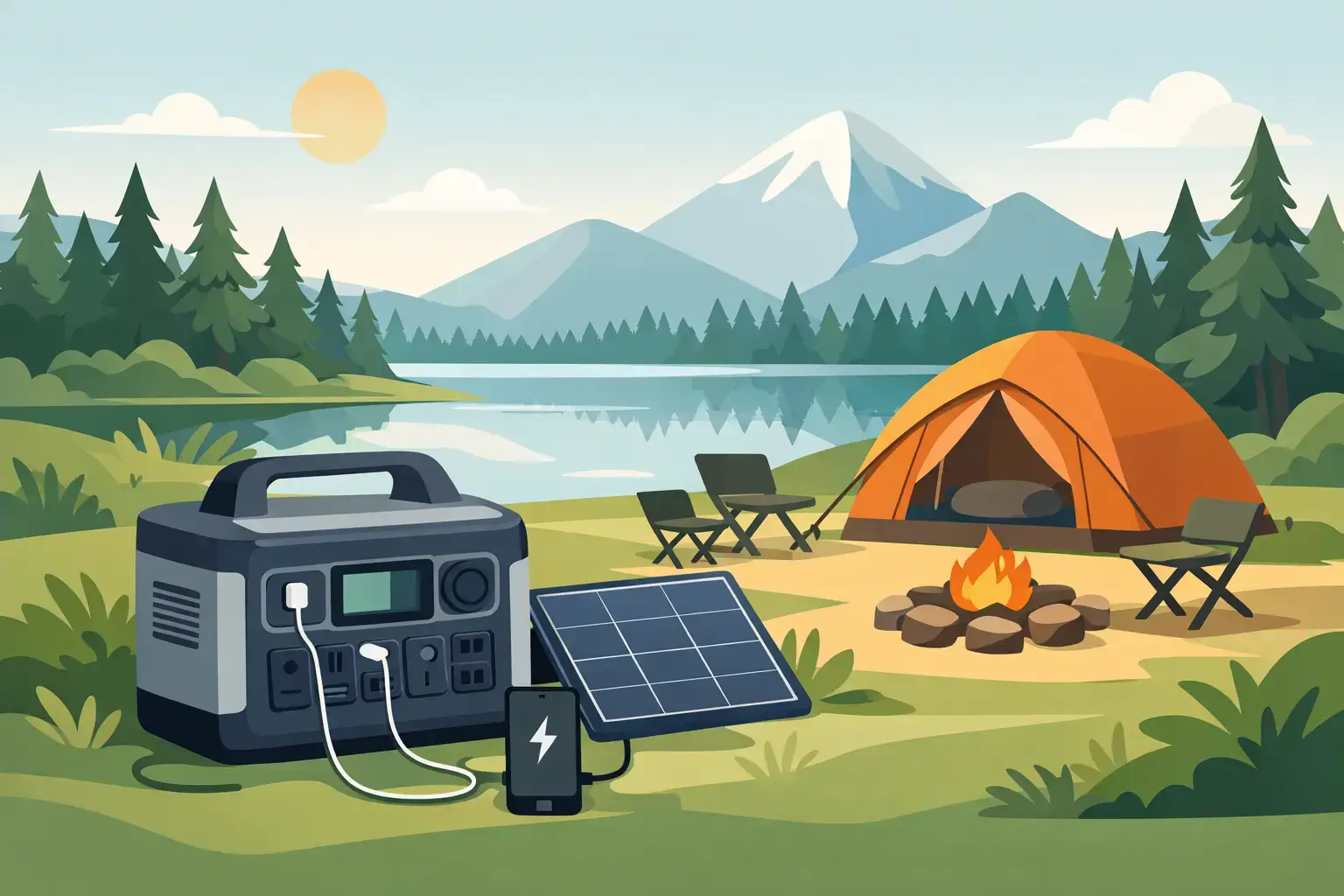
The wrong generator ruins a campsite fast. Too loud, too heavy, underpowered, or hard to start on a cold morning – and what should be a simple overnight setup turns into extra work. If you are looking for the best portable power generator for camping, the right choice comes down to how you camp, what you need to run, and how much weight and noise you are willing to manage.
For most campers, an inverter generator is the smart place to start. It gives you cleaner power for sensitive electronics, quieter operation for shared campgrounds, and better fuel efficiency at lower loads. But not every camping setup needs the same machine. A tent camper charging phones and LED lights has very different power needs than someone running a trailer, coffee maker, induction cooker, and battery charger at a remote site.
What makes the best portable power generator for camping?
The best unit is not the one with the biggest number on the box. It is the one that starts reliably, carries easily enough for your setup, runs quietly, and has enough output to cover your real load with some safety margin.
For camping, portability matters more than it does in backup home use. A generator that works well in a garage may be a poor choice when you need to lift it into a truck bed, carry it over uneven ground, or make space around other gear. Weight, handle design, wheel kit options, and overall footprint all matter.
Noise matters just as much. In a campground, a noisy open-frame generator will draw attention for the wrong reasons. Inverter generators are usually the better fit because they are built for quieter operation. If you camp near others, or just prefer a quieter base camp, this is one area where spending more usually gets you a better result.
Runtime is another key factor. A compact generator that runs through the evening and into the night on one tank is often more useful than a slightly stronger unit that needs frequent refueling. That matters even more in colder weather, where equipment is working harder and nobody wants to handle fuel at 2 a.m.
Start with what you actually need to power
Before comparing models, build a simple load estimate. This is where many buyers either overspend or end up frustrated in the field.
A basic camping setup might include phone chargers, small lights, a laptop, and maybe a compact fan or portable fridge. That kind of load usually stays modest, and a smaller inverter generator often handles it without issue. If you are camping with a travel trailer or small RV, the calculation changes. Microwaves, electric kettles, battery chargers, water pumps, and especially air conditioners push power demand up quickly.
Starting watts also matter. Some equipment, especially anything with a motor or compressor, needs extra power for startup. A generator that can run a device may still struggle to start it. That is why it pays to look at both running watts and surge watts, not just one headline number.
As a general rule, if your camping load is simple, a compact inverter unit in the lower output range is usually enough. If you are supporting a trailer or running multiple appliances at once, move up in capacity before you head out. A generator running at its limit all the time is louder, less efficient, and harder on the machine.
Inverter vs conventional generator for camping
For most camping use, inverter generators make more sense than conventional models. They produce stable power that is safer for electronics, and they adjust engine speed based on demand. That means lower fuel use and less noise when the load is light.
Conventional generators still have a place. If you need more raw output at a lower upfront cost and noise is less of a concern, they can work. But for campgrounds, overlanding, hunting camps, and trailer use where quiet operation matters, inverter models are usually the better tool.
This is especially true if you are charging battery systems, running communication equipment, or powering modern control boards found in some RV appliances. Cleaner power is not a luxury in those cases. It protects the equipment you rely on.
Fuel type changes how practical the generator feels
Gasoline remains the common choice for camping generators because it is easy to find and easy to carry. Most portable inverter models are designed around it, and it works well for weekend trips and regular seasonal use.
Dual fuel generators can be a strong option if flexibility matters to you. Being able to run on gasoline or propane gives you backup if one fuel source is unavailable, and propane can be convenient for longer trips if you already carry bottles for cooking or heating. It also stores more cleanly than gasoline, which matters if the generator sits between trips.
The trade-off is that dual fuel units are sometimes a bit heavier or more complex, and power output can vary depending on the fuel used. If simplicity is your top priority, a quality gasoline inverter generator may still be the cleaner choice.
Weight, carry style, and storage are not small details
A generator can look portable on paper and still be awkward in real use. For camping, shape matters almost as much as weight. A compact unit with a solid handle is easier to move than a bulkier machine with better specs but poor balance.
Think about your full process. Are you lifting it from a shed into a vehicle, unloading it alone, and carrying it to a site? Or are you setting it just a few feet from a trailer? A 20-pound difference may not matter in one case and may decide the purchase in the other.
If you camp off-road or in rough ground, durability matters too. You want a unit that can handle transport vibration, cold starts, and repeated field use without feeling delicate. This is where practical equipment design matters more than polished marketing.
Cold weather performance matters more than many buyers expect
Camping season does not always mean warm weather. In northern climates, spring and fall trips can bring cold mornings, damp conditions, and longer nights with heavier power demand. A generator that is easy to start in mild summer weather may become much less convenient when temperatures drop.
Look for a unit known for reliable starting and steady operation in colder conditions. That includes sensible controls, dependable engine design, and a build quality that holds up outside the driveway. Champion Baltics focuses heavily on equipment that performs in rugged Nordic conditions, and that kind of real-world reliability is worth paying attention to if your camping trips are not limited to fair-weather weekends.
Safety and campground manners count
The best portable power generator for camping should be safe to use and easy to live with. That starts with proper placement. Never run a generator inside a tent, trailer, vehicle, or enclosed shelter. Carbon monoxide risk is serious, and distance plus ventilation are not optional.
Built-in safety features help as well. Low-oil shutdown protects the engine. Overload protection helps prevent damage when you ask too much from the generator. Covered outlets and clear controls make operation simpler, especially after dark or in bad weather.
Good campsite behavior matters too. Even a quiet generator should be placed thoughtfully, used only when needed, and kept as far from sleeping areas as practical. The quieter the unit, the easier it is to use without becoming the problem site on the loop.
How to choose the right size without overbuying
Many campers buy too much generator because they picture every device running at once. That rarely happens. If your real use is charging batteries, running lights, and powering a few small appliances in short windows, a smaller inverter generator is often the better fit.
Bigger units bring more output, but they also bring more weight, more fuel use, and often more noise. That is worth it when you need to run high-demand gear, but not when your campsite power needs stay modest.
The better approach is to list your essentials first, then add one or two likely extras. If air conditioning is non-negotiable, size for it honestly. If it is only occasional, that may change the decision. Matching the machine to the job is what gets you dependable power without hauling around unnecessary bulk.
What most campers should buy
If you want a practical answer, not a vague one, most campers are best served by a quiet inverter generator with enough output for lights, charging, a fridge or cooler, and occasional appliance use, plus some headroom for startup loads. If you camp with a trailer, a larger inverter model or parallel-capable setup often makes more sense than jumping straight to a bulky conventional generator.
That balance – quiet operation, manageable weight, clean power, and realistic runtime – is what usually separates a good camping generator from one that just looks good in the specs.
Buy for the trip you actually take, not the extreme scenario you imagine once a year. The right generator should make camp easier, not give you one more piece of equipment to wrestle with when the weather turns and the light starts to fade.
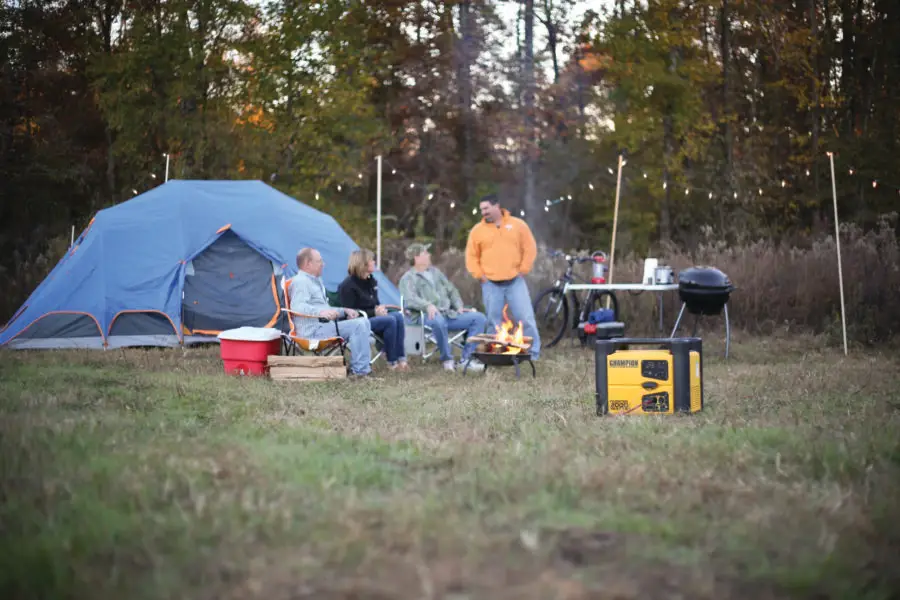
Energy for campers
Just start with Sinus energy

