






Blog
What Is Portable Power Generator?

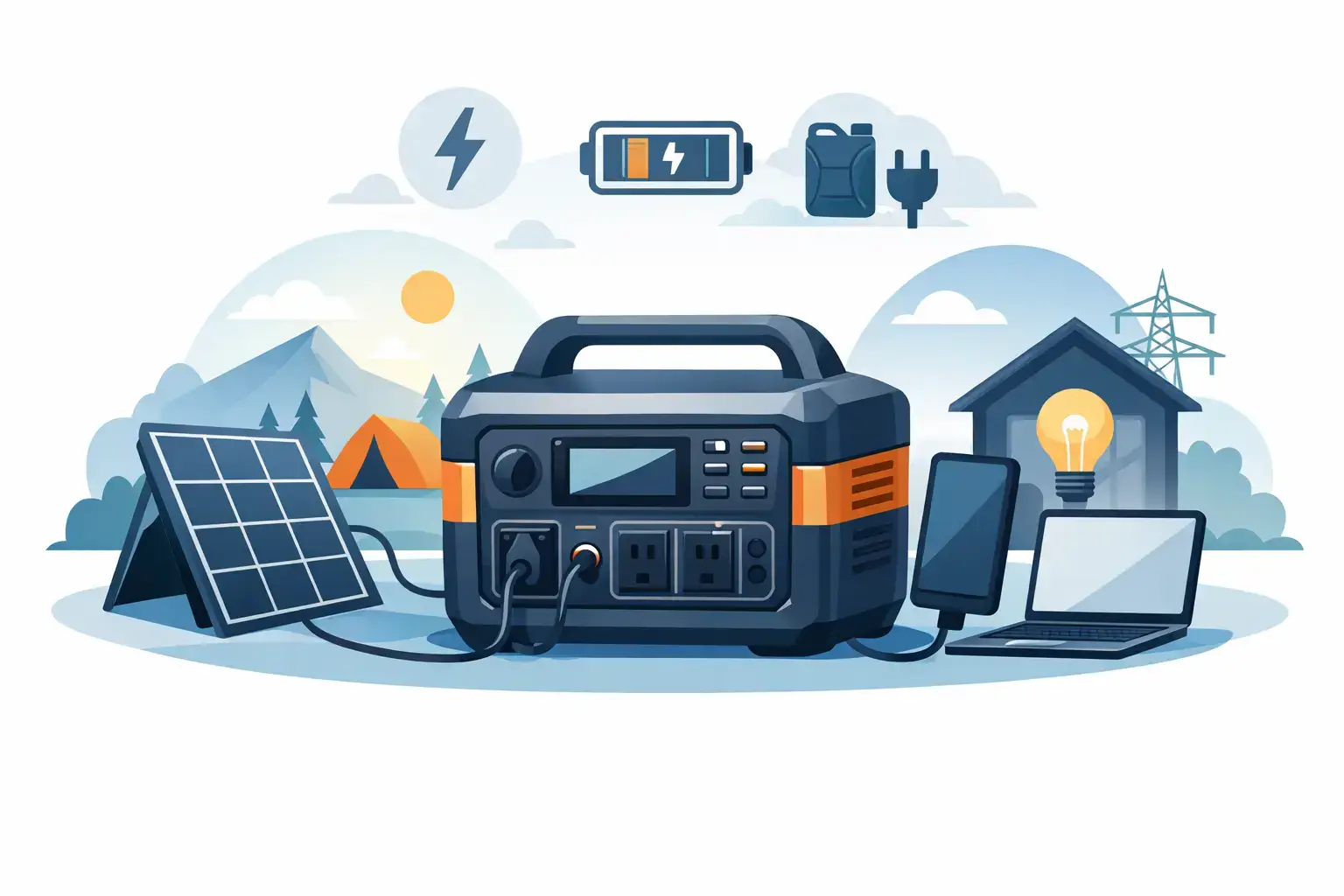
The lights go out, the sump pump stops, and your phone battery is already down to 12 percent. That is usually the moment people start asking, what is portable power generator, and do I actually need one? The short answer is simple: it is a compact machine that produces electricity where grid power is unavailable, unstable, or just too far away to reach.
A portable power generator gives you mobile electricity for real work. That might mean backup power at home during an outage, power for tools on a jobsite, battery charging at camp, or running equipment in a remote field location. The key difference from a standby generator is right in the name – it is designed to be moved, stored, and used where needed instead of being permanently installed.
What Is a Portable Power Generator?
A portable power generator is a fuel-powered machine that converts mechanical energy into electrical power. Most units use a gasoline, diesel, or dual-fuel engine to spin an alternator. That process creates electricity you can use through built-in outlets for appliances, tools, chargers, lights, pumps, and other equipment.
Portable does not always mean light enough to carry in one hand. Some compact inverter generators are easy to move around a campsite or van setup, while larger open-frame units are wheeled machines built for backup power or heavier site work. In both cases, the purpose is the same: give you reliable power where and when you need it.
For many buyers, the real value is not just convenience. It is readiness. If you live in an area with winter storms, rural outages, or work conditions where power access is never guaranteed, a generator stops being a nice extra and starts looking like standard equipment.
How a Portable Power Generator Works
At a basic level, the engine burns fuel and turns a shaft. That shaft drives the alternator, which produces electricity. The control panel then sends that power to the outlets, breakers, and sometimes USB ports or RV connections on the machine.
The exact quality of power depends on the generator design. A conventional generator is often a strong choice for demanding tools, pumps, and general backup loads. An inverter generator adds electronics that clean and regulate the output more precisely, which makes it better suited for sensitive devices like laptops, modern TVs, battery chargers, and some control-board appliances.
That is where the buying decision gets more practical. If your goal is to keep a freezer cold, run a few lights, and power a well pump, one kind of machine may make more sense. If you want quiet operation at a campsite or cleaner power for electronics, another type is usually the better fit.
What Can a Portable Power Generator Power?
This depends on two things: running wattage and starting wattage. Running wattage is the power needed to keep equipment operating. Starting wattage is the short surge some devices need when they first kick on, especially motors and compressors.
A small portable generator may handle phone charging, lights, a router, a coffee maker, and a few small appliances. A mid-size unit can often support refrigerators, freezers, sump pumps, power tools, and more of the basics in a home outage. A larger model may be suitable for multiple circuits, workshop use, or heavier field equipment.
What it should not do is get overloaded. That is one of the most common mistakes first-time buyers make. They look at a generator and assume the biggest number on the label means it will run everything in the house. In reality, you need to add up the loads you plan to use and leave enough headroom for startup surges and safe operation.
What Is Portable Power Generator Sizing Based On?
Sizing starts with the equipment you actually need to run, not the generator itself. If your priority is emergency home backup, focus on essentials first: refrigerator, freezer, lights, internet equipment, boiler or furnace controls, sump pump, and maybe a microwave or coffee maker. If the generator is for work, list the tools by their startup and running requirements.
This is where it pays to be realistic. Running every appliance at once requires a much larger unit than most people need. A well-chosen portable generator is usually about keeping the important things working, not pretending a temporary setup is the same as full grid service.
As a rough rule, motor-driven equipment deserves extra attention. Pumps, compressors, and some saws can pull a lot more power at startup than during steady use. If you undersize the generator, the equipment may fail to start or trip protection systems.
Fuel Types and Why They Matter
Fuel choice changes how a generator behaves in storage, transport, maintenance, and cold-weather use.
Gasoline generators are common because fuel is easy to find and the units cover a wide range of sizes. They are often a practical choice for homeowners and general-purpose use. The trade-off is fuel shelf life and the need for proper storage habits.
Diesel generators are often chosen for durability, fuel efficiency under load, and heavy-duty applications. They can make a lot of sense for work environments, longer runtimes, and users who already keep diesel on site for other equipment.
Dual-fuel generators give you more flexibility by running on gasoline or propane. That matters during emergencies when one fuel is easier to get than the other. Propane also stores well, which appeals to preparedness-minded buyers. The trade-off is that output can vary depending on which fuel you use.
In colder climates, fuel system behavior matters more than people think. Starting performance, storage conditions, and maintenance discipline all become part of the buying decision. That is one reason buyers in tougher environments often look beyond price and focus on practical reliability.
Portable Generator vs Inverter Generator
People often use these terms as if they mean the same thing, but they do not. An inverter generator is a type of portable generator. It is usually quieter, more fuel-efficient at variable loads, and better for sensitive electronics. It is also often more compact.
A conventional portable generator is usually built for straightforward power delivery and higher output for the money. It may be louder, heavier, and less refined in power quality, but it can be a strong fit for tools, pumps, backup circuits, and rugged outdoor use.
So which one is better? It depends on the job. Quiet camping and electronics-heavy use point one way. Emergency backup, rural property work, and high-demand tools may point another.
Where Portable Generators Make the Most Sense
Home backup is the most common use case, and for good reason. A portable generator can protect food in the freezer, keep heating systems operational, run water pumps, and maintain basic comfort during outages.
They also make sense on jobsites, farms, remote properties, hunting camps, off-road setups, workshops, and service vehicles. If your work moves around or happens where fixed power is unreliable, portability becomes a real advantage.
That said, there are limits. A portable generator is not the same as a permanently installed whole-house system with automatic transfer. If you want fully automatic operation during every outage, you are looking at a different category. Portable units are more manual, but they cost less, store more easily, and give you flexible deployment.
Safety Is Part of the Answer
Any honest answer to what is portable power generator also needs to include safe operation. These machines are extremely useful, but they must be used correctly.
Generators produce carbon monoxide, so they must never run indoors, in garages, or near open windows and doors. They need proper ventilation, stable placement, and dry operating conditions. Refueling requires care, especially around hot engine components.
Power connection matters too. You should not backfeed a house through an outlet. If you want to connect a generator to home circuits, the correct setup involves approved equipment and proper installation. Safety features like overload protection, low-oil shutdown, and covered outlets are not marketing fluff – they help prevent damage and reduce risk.
What to Look for Before You Buy
Start with output, then check runtime, fuel type, outlet configuration, noise level, and portability. Wheels and handles matter more on larger units than many buyers expect. So does access to maintenance items and replacement parts.
Think about ownership, not just purchase day. Oil changes, spark plugs, air filters, and storage preparation are part of the package. A generator that fits your needs and can be maintained without hassle is usually the smarter buy than a bigger machine with specs you will never use.
If you are comparing models for Nordic-style winters, field work, or backup use in rough weather, practical details deserve attention. Cold-start behavior, solid frame design, sensible control layout, and dependable support all matter in the real world. That is where a specialist supplier like Champion Baltics tends to stand out – not just in generator range, but in helping buyers match the machine to the job.
A portable power generator is not complicated once you look past the labels. It is a work-ready source of electricity you can move where power is needed most. Choose it based on what you need to run, how you plan to fuel it, and the conditions it has to handle. Get that part right, and you are not just buying a machine – you are buying time, uptime, and fewer bad surprises when the power is not there.
