






Blog
How to Power Portable Generator Safely

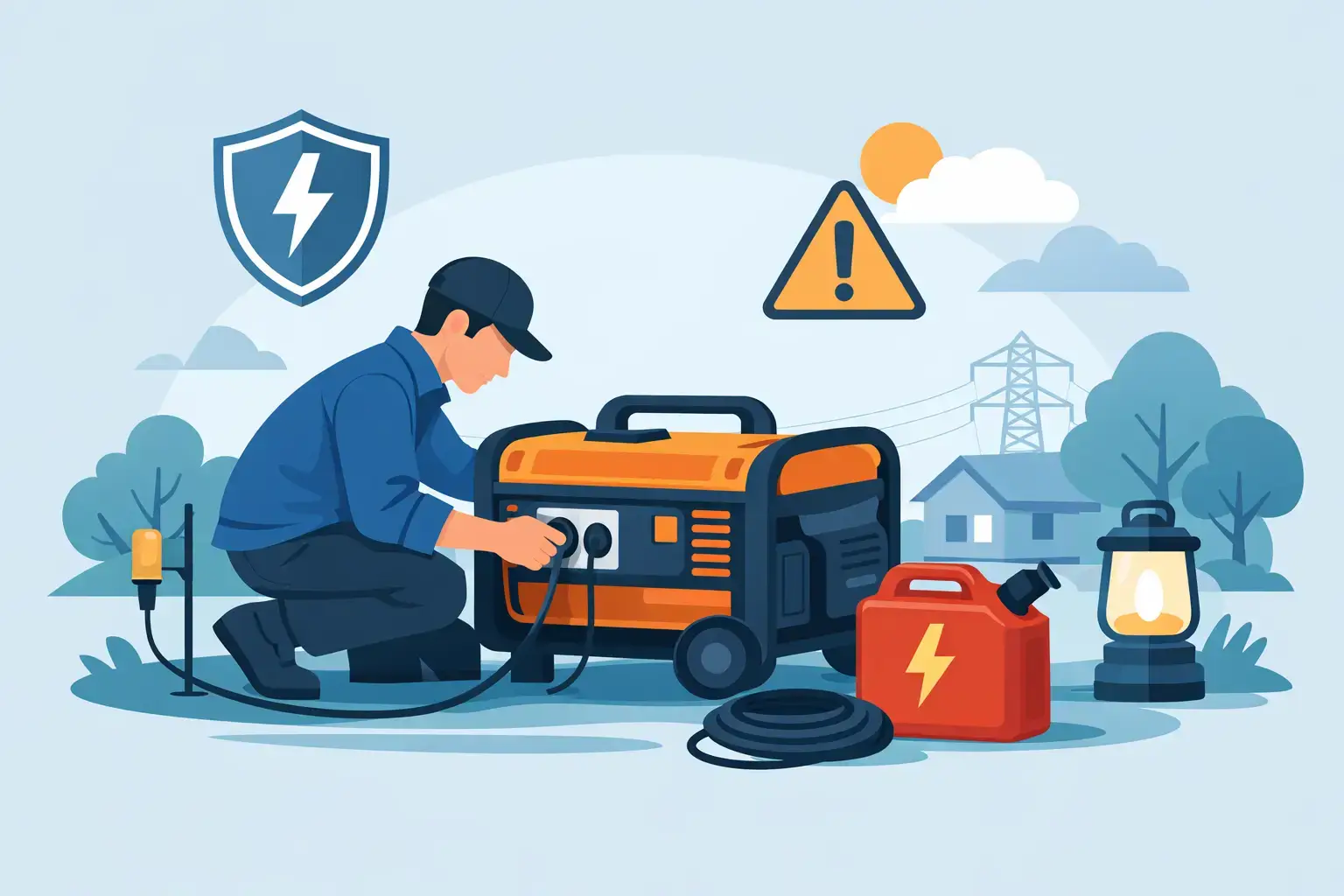
A portable generator is only useful when it starts fast, carries the load you need, and does it without putting your home, tools, or people at risk. If you are searching for how to power portable generator systems correctly, the real question is not just how to turn it on. It is how to supply it with fuel, connect it to your equipment, and manage the load in a way that works under pressure.
That matters even more in cold weather, remote properties, and outage situations where mistakes get expensive fast. A generator can keep a freezer cold, a sump pump running, and lights on through a storm, but only if the setup is matched to the job.
What powering a portable generator really means
People use the phrase in two different ways. Sometimes they mean how to fuel and start the generator itself. Other times they mean how to use the generator to power appliances, tools, or a building. You need both parts right.
First, the generator needs an energy source. That may be gasoline, propane, diesel, or in some models a dual-fuel setup. Second, the generator needs a safe output plan. That could mean plugging in extension cords directly, connecting to a manual transfer switch, or feeding a jobsite distribution setup. If either side is wrong, performance drops and safety risks go up.
Choose the right fuel source first
The answer to how to power portable generator equipment depends heavily on the fuel type. A gasoline generator is common, easy to refuel, and practical for home backup and mobile use. The trade-off is fuel storage life and cold-weather handling. Gasoline can degrade in storage if it is not treated and rotated.
Propane burns clean and stores longer, which makes it attractive for emergency readiness. It is also convenient for users who already keep propane cylinders on site. The downside is that propane usually delivers a little less output than gasoline on the same dual-fuel machine, so your available wattage may drop.
Diesel generators are often chosen for heavy-duty work, long runtimes, and durability. They fit demanding field use well, especially where equipment is expected to work hard for extended periods. They can be a strong option for professional users, but they are usually heavier and may be more generator than a casual homeowner needs.
If you need flexibility, dual-fuel units earn their place. They give you options when one fuel is harder to get, which matters during extended outages or remote operation. For many buyers, that flexibility is worth more than chasing the lowest upfront cost.
How to power a portable generator before startup
Before you start the engine, place the generator outside on a dry, level surface with clear airflow around it. Never run it in a garage, shed, basement, trailer interior, or near open windows and doors. Carbon monoxide is a serious hazard, and distance matters.
Check the fuel level, engine oil level, and condition of the air filter. If the generator has been sitting, inspect fuel lines, look for leaks, and make sure the battery is charged if it uses electric start. In cold weather, this quick check becomes even more important because thick oil, weak batteries, and stale fuel show up fast.
Then disconnect or switch off major loads before startup. Starting the generator with everything already pulling power is hard on the engine and can trip protection systems. Let the generator stabilize for a minute or two before adding load.
Connecting loads the right way
There are two main ways to use a portable generator. The first is direct connection with extension cords. The second is connecting the generator to a building through approved transfer equipment.
Extension cords are simple and effective when you only need a few critical loads. A refrigerator, a freezer, a few lights, a charger, or a jobsite tool setup can often be handled this way. Use outdoor-rated cords with the correct wire gauge. Undersized cords cause voltage drop, heat buildup, and poor equipment performance.
If you want to power selected household circuits, use a transfer switch or interlock installed correctly for that purpose. This is the proper way to feed a panel. Never plug a generator into a wall outlet to backfeed a house. It is dangerous, it can damage equipment, and it can put utility workers at risk.
For some users, the right answer is not powering the whole house at all. It is powering the loads that matter most. That often means refrigeration, heating controls, circulation pumps, internet equipment, and a few outlets. A smaller generator running the essentials can be more efficient and easier to manage than a large unit trying to do everything.
Size the generator to the real load
A common mistake is guessing. If you want reliable results, calculate your running watts and your startup watts. Many motors need a surge of power when they start, and that surge may be much higher than their normal running demand.
A refrigerator might run at a modest wattage but need much more for startup. A well pump, compressor, or pressure washer motor can be even more demanding. Add up what you plan to run at the same time, then leave some headroom. Running a generator flat out for long periods is hard on the machine and leaves no margin when another load kicks in.
If your generator has a 30-amp or 50-amp outlet, that does not mean every connected device can be treated casually. Receptacle type, breaker rating, and total generator capacity all still matter. Match plugs, cords, and adapters correctly. If you need multiple tools or appliances, plan the load instead of stacking everything on at once.
How to power portable generator loads without damaging equipment
Sensitive electronics care about power quality. Laptops, control boards, routers, TVs, and battery chargers generally do best with clean, stable output. That is where inverter generators stand out. They are typically quieter and better suited for electronics, light residential backup, camping, and mobile work where noise and power quality both matter.
Conventional generators still have a strong place, especially for tougher motor loads, larger output needs, and straightforward jobsite use. They are often cost-effective for raw power. The trade-off is that they may be louder and less refined for sensitive devices unless the model is built with stronger output control.
If your use case mixes electronics and heavier tools, it depends on what matters most. For a quiet backup setup at home, an inverter model often makes more sense. For a rugged site with pumps, saws, heaters, or general work equipment, a larger conventional or dual-fuel machine may be the better fit.
Cold-weather operation changes the plan
Nordic and Baltic conditions teach this quickly – a generator that looks good on paper still has to start when the temperature drops. Cold affects battery performance, oil viscosity, fuel behavior, and your willingness to stand outside troubleshooting in a storm.
Use the correct oil for the season, keep fuel fresh, and store the unit where it stays dry and protected without ever running it indoors. If your generator has cold-start features or electric start, those are not luxury extras. They are practical advantages when time matters.
Propane can be a smart readiness fuel because it stores well, but cylinder performance can vary in very low temperatures. Gasoline often delivers stronger output, but only if it is fresh and properly managed. There is no single best answer for every user. A rural homeowner with a transfer switch and regular maintenance habits may prefer one setup, while a field user who values fuel flexibility may choose another.
Maintenance is part of the power plan
If you want the generator to produce power when needed, maintenance is not optional. Check oil regularly, follow service intervals, inspect spark plugs and filters, and test-run the unit before emergency season. Waiting for the next outage is a poor time to find out the carburetor is clogged or the battery is dead.
Also think beyond the machine itself. Keep the right cords, adapters, motor oil, and spare parts on hand. Consumables and small service items are what keep a generator usable over time. Serious equipment ownership means planning for operation, not just purchase.
For buyers who want equipment that can handle home backup, outdoor work, and hard-weather use, Champion Baltics focuses on that practical side of ownership – not just the generator, but the fuel options, accessories, and support that keep it working.
The safest setup is usually the smartest one
When people ask how to power portable generator systems, they often expect a quick answer. The honest answer is simpler and stricter than most expect. Use the right fuel, size the generator to real loads, place it outside, connect loads properly, and maintain it like equipment you actually depend on.
That approach may not be flashy, but it is what keeps freezers cold, pumps running, and work moving when the grid is down. If you build your setup around the loads you truly need, the generator stops being a backup gamble and becomes part of your readiness plan.
