






Blog
Dual Fuel vs Petrol Generator: Which Fits?

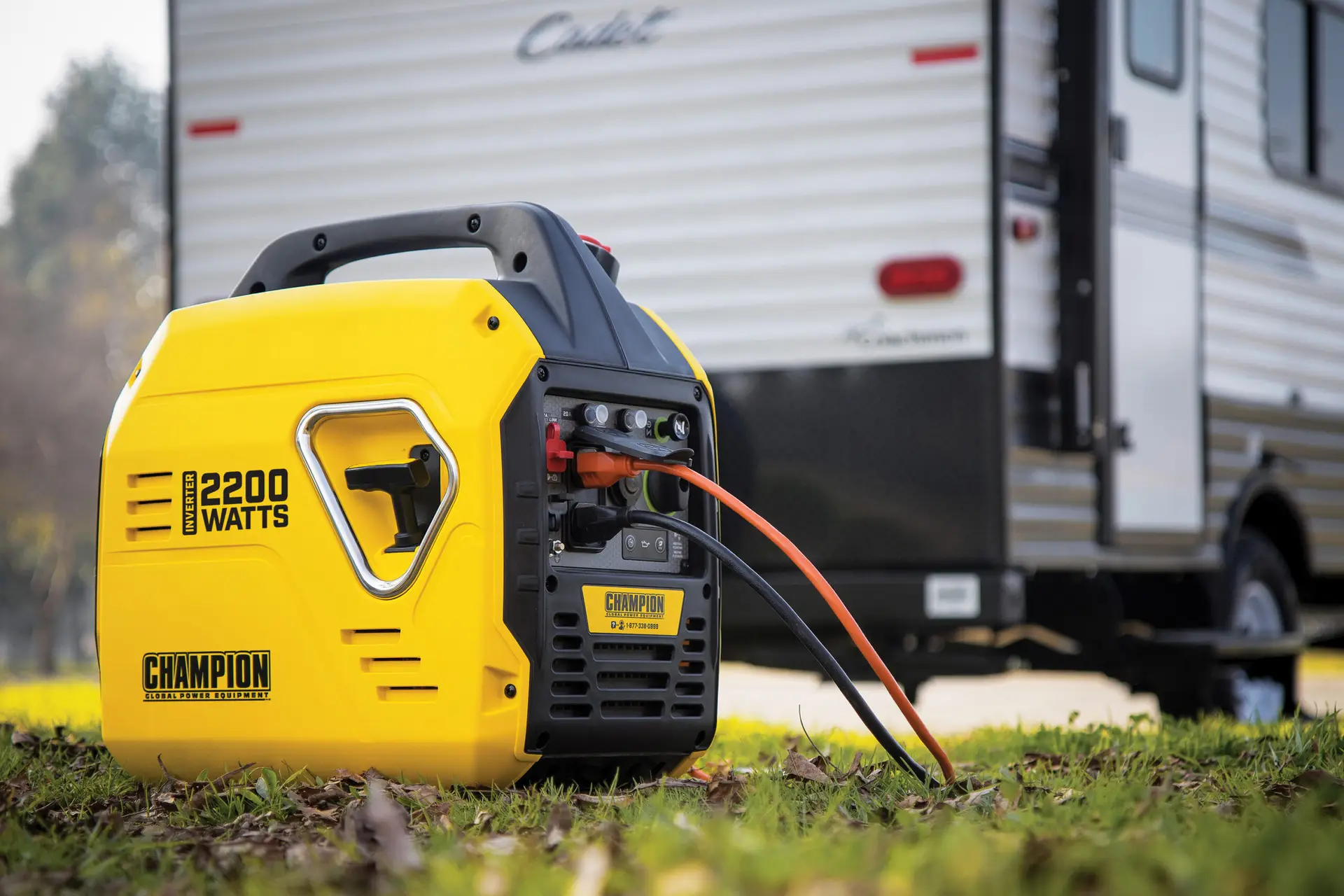
When the power goes out in freezing rain or you need electricity far from the grid, the choice between a dual fuel vs petrol generator stops being theoretical fast. What matters is simple – will it start, will it run your equipment safely, and will the fuel you need actually be available when the pressure is on?
For most buyers, this decision comes down to flexibility versus simplicity. A petrol generator is straightforward, familiar, and often cheaper up front. A dual fuel generator gives you two fuel options, usually petrol and LPG, which can make a big difference for backup planning, fuel storage, and running costs. Neither is automatically better in every situation. The right pick depends on how you use it, where you use it, and how much control you want over fuel supply.
Dual fuel vs petrol generator: the real difference
A petrol generator runs only on gasoline. Fill the tank, start the engine, and it produces power. That simplicity is the main reason petrol models remain popular for occasional home backup, light outdoor use, and buyers who do not want extra setup.
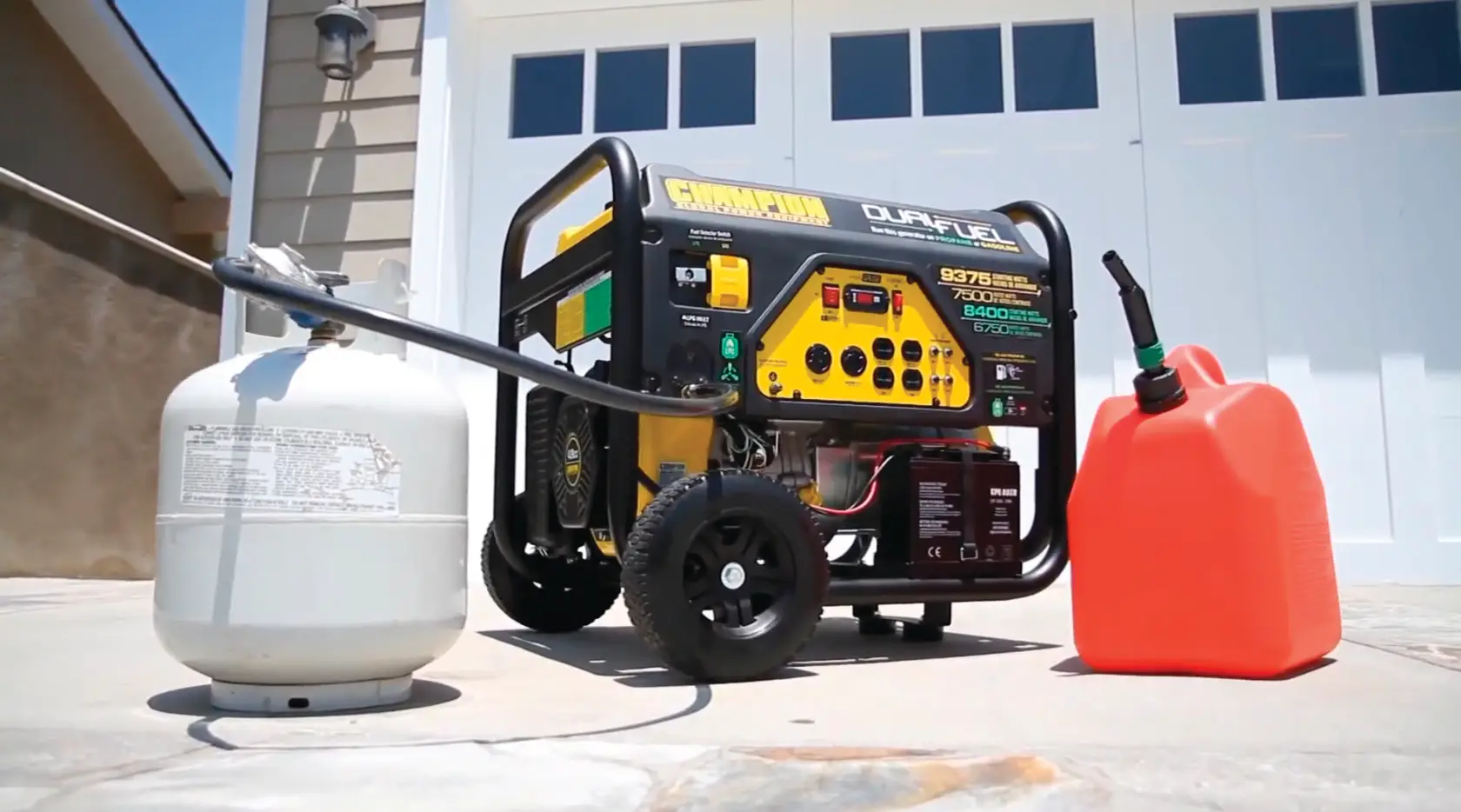
A dual fuel generator can run on gasoline or LPG, depending on the model and setup. That flexibility is the key selling point. If petrol is easy to get, you run on petrol. If you have LPG cylinders on hand, or want a longer-term stored fuel option, you switch over.
The engine and alternator still do the same core job, but the way you fuel the machine changes how practical it is in real use. That affects storage, portability, maintenance habits, and how prepared you are during a supply disruption.
Upfront cost vs long-term flexibility
If price is the first filter, petrol generators usually win. In many size classes, a petrol-only model costs less than a comparable dual fuel unit. For a homeowner who needs backup power a few times a year, or a user who only runs tools occasionally, the lower purchase price can make perfect sense.
Dual fuel models usually cost more because they add fuel system components and switching capability. But that extra spend buys options. If one fuel is unavailable, expensive, or inconvenient, you are not stuck. For anyone planning around storms, rural property use, field work, or seasonal outages, that flexibility can be worth more than the initial savings.
This is where a lot of buyers make the wrong comparison. They look only at purchase price, not the cost of being limited to one fuel source when conditions change.
Fuel storage and shelf life
This is one of the strongest arguments for dual fuel.
Petrol degrades over time, especially if it is stored poorly or left sitting in a generator tank for too long. That does not mean petrol is a bad choice. It means you need better fuel discipline. Use fresh fuel, rotate stock, and avoid letting old gasoline gum up the carburetor.
LPG has a practical advantage for standby use because it stores well in sealed cylinders. If your generator might sit for long periods between outages, that matters. You are less likely to deal with stale fuel problems, and long-term preparedness becomes easier to manage.
For a cabin, rural home, workshop, or property where backup power is insurance rather than daily equipment, dual fuel can be a smarter ownership choice simply because fuel storage is easier to control.
Runtime and refueling convenience
Runtime depends on load, tank size, and engine design, so broad claims can be misleading. Still, there are a few patterns worth knowing.
On petrol, many generators deliver strong output and straightforward refueling. Petrol is easy to pour into the onboard tank, and for mobile use that is hard to beat. If you are moving around a property, working in the field, or loading a unit in and out of a vehicle, petrol can feel simpler.
With LPG, runtime depends on the cylinder size connected to the generator. A larger cylinder can provide long steady operation without refilling the generator tank, but the cylinder itself adds bulk. That can be an advantage for home backup where the machine stays in one spot, and less convenient for highly mobile use.
So the question is not just how long it runs. It is how you prefer to refuel. Quick liquid fuel top-ups suit some jobs. Swapping cylinders suits others.
Power output and performance under load
Many buyers notice that a dual fuel generator may produce slightly different output depending on whether it is running on petrol or LPG. Petrol often gives the highest rated output. LPG can sometimes reduce peak wattage a bit, depending on the model.
That difference may not matter if you are powering lights, a refrigerator, a boiler fan, battery chargers, or general household circuits within a safe load range. It matters more if you are trying to start high-demand equipment such as compressors, pumps, or heavier motor-driven tools where surge wattage is critical.
This is why wattage planning matters more than fuel preference alone. Before choosing between dual fuel and petrol, calculate your starting watts and running watts honestly. If your load is close to the machine’s upper limit, small differences in output become important.
Cold weather use
In cold and rough conditions, reliability is not a marketing line. It is the whole reason you bought the generator.
Petrol engines are widely used in cold weather, but fresh fuel, proper maintenance, and correct starting procedure matter. Bad fuel habits show up fast when temperatures drop.
Dual fuel units add another layer of practical flexibility. If one fuel option is less convenient in a given situation, you still have another path to get power. That said, cold weather performance is never just about fuel type. Engine quality, battery condition on electric-start models, maintenance, oil choice, and proper storage all matter.
For Nordic-style winter use, the best generator is the one that is maintained properly, tested before the emergency, and matched to real loads. Fuel choice supports reliability, but it does not replace preparation.
Maintenance and day-to-day ownership
A petrol generator is easier for many users to understand at a glance. Fewer fuel-related components often means a simpler ownership experience. If you are comfortable managing gasoline, draining fuel when needed, and staying on top of service intervals, petrol ownership is direct and practical.
Dual fuel generators can reduce some of the fuel aging headaches when run on LPG, which is a real advantage for standby users. Cleaner fuel behavior can also be appealing for owners who want fewer problems from stale gasoline during long idle periods.
Still, dual fuel does not mean no maintenance. You still need to service the engine, monitor oil, inspect connections, and exercise the unit periodically. The more serious point is this: a neglected generator of any fuel type is unreliable equipment.
Which one makes sense for your use case?
For occasional home backup, a petrol generator is often enough if you use fresh fuel and test it regularly. It is simple, accessible, and cost-effective.
For preparedness-focused home backup, dual fuel has a stronger case. Having two fuel options can reduce risk when stations are crowded, supply is interrupted, or stored petrol has aged more than expected.
For mobile jobsite work, a petrol generator often feels more convenient because fuel handling is familiar and the setup is quick. If you are constantly moving, carrying LPG cylinders may not be the best fit.
For cabins, workshops, rural properties, and fixed outdoor setups, dual fuel often stands out. LPG storage can be easier to manage over time, and fuel choice gives you more control.
For users running close to maximum output, compare actual rated watts on each fuel before deciding. A small spec difference can determine whether a tool starts cleanly or trips the system.
What to check before you buy
Do not buy by fuel type alone. Check starting watts, running watts, outlet options, noise level, portability, fuel tank size, LPG compatibility, and whether the generator includes features that matter in real use, such as low-oil shutdown, covered outlets, wheel kits, or electric start.
If the generator is for backup power, think beyond the machine itself. Think about how you will store fuel, how often you will test the unit, and whether you can get replacement parts, oil, and service items without a struggle. That is where a specialist supplier like Champion Baltics adds real value, because ownership does not end at checkout.
The better choice in the dual fuel vs petrol generator debate usually comes down to one hard question: do you want the lowest entry cost, or do you want more fuel flexibility when conditions are less than ideal? If you know how and where the generator will be used, the answer gets much clearer. Buy for the job, maintain it properly, and your generator will be ready when the lights go out.