






Blog
Inverter vs Conventional Generator


When the power goes out at home, or you need electricity deep in the field, the inverter vs conventional generator question stops being theoretical fast. The right choice affects noise, fuel cost, portability, and whether your equipment runs cleanly or takes a beating from unstable power.
For some buyers, a conventional generator is the right tool because it delivers more raw power for less money. For others, an inverter generator earns its keep with quiet operation, cleaner electricity, and easier transport. What matters is not which type sounds better on paper. What matters is what you need to run, where you need to run it, and how often you expect to depend on it.
Inverter vs conventional generator: the real difference
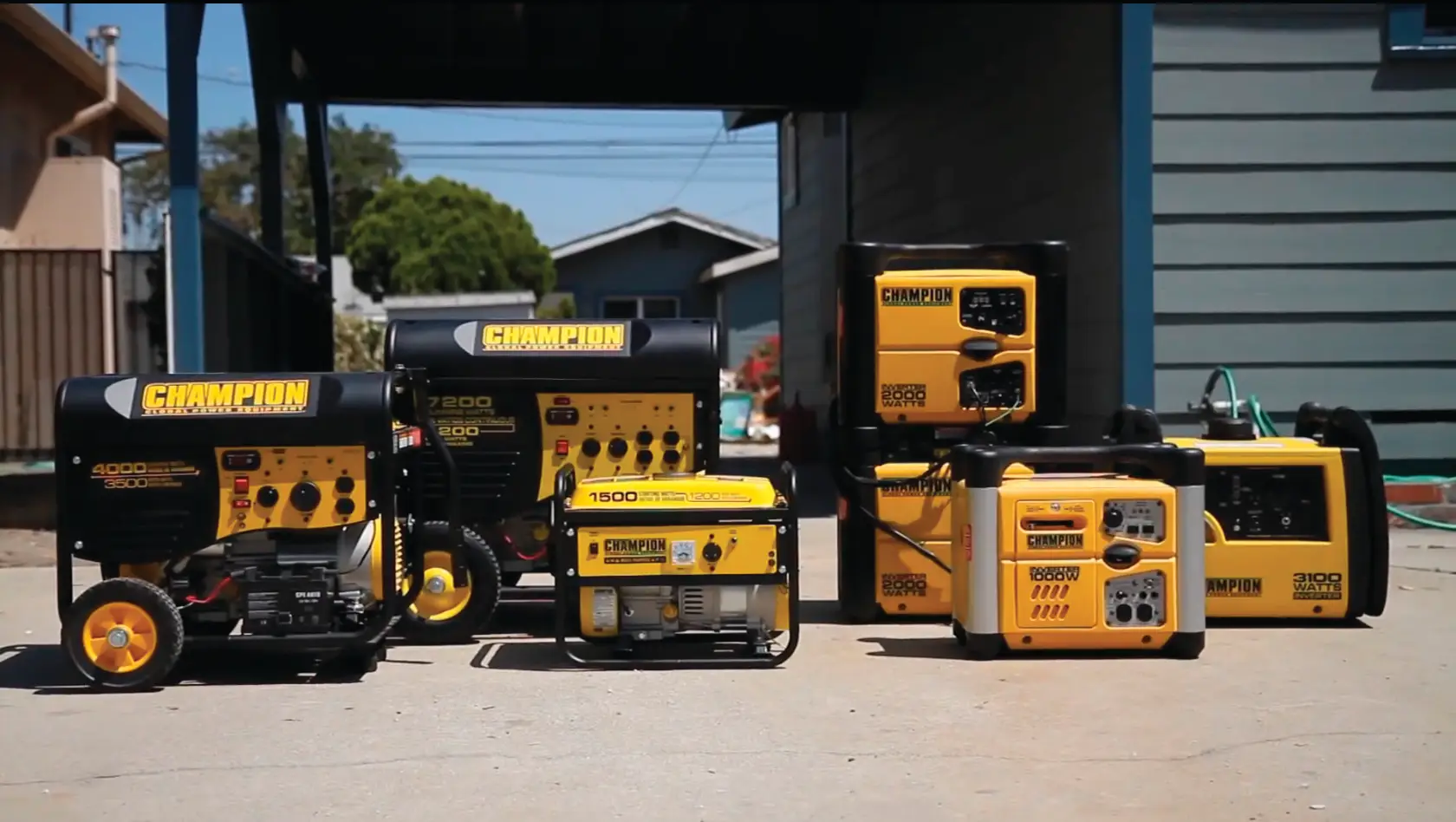
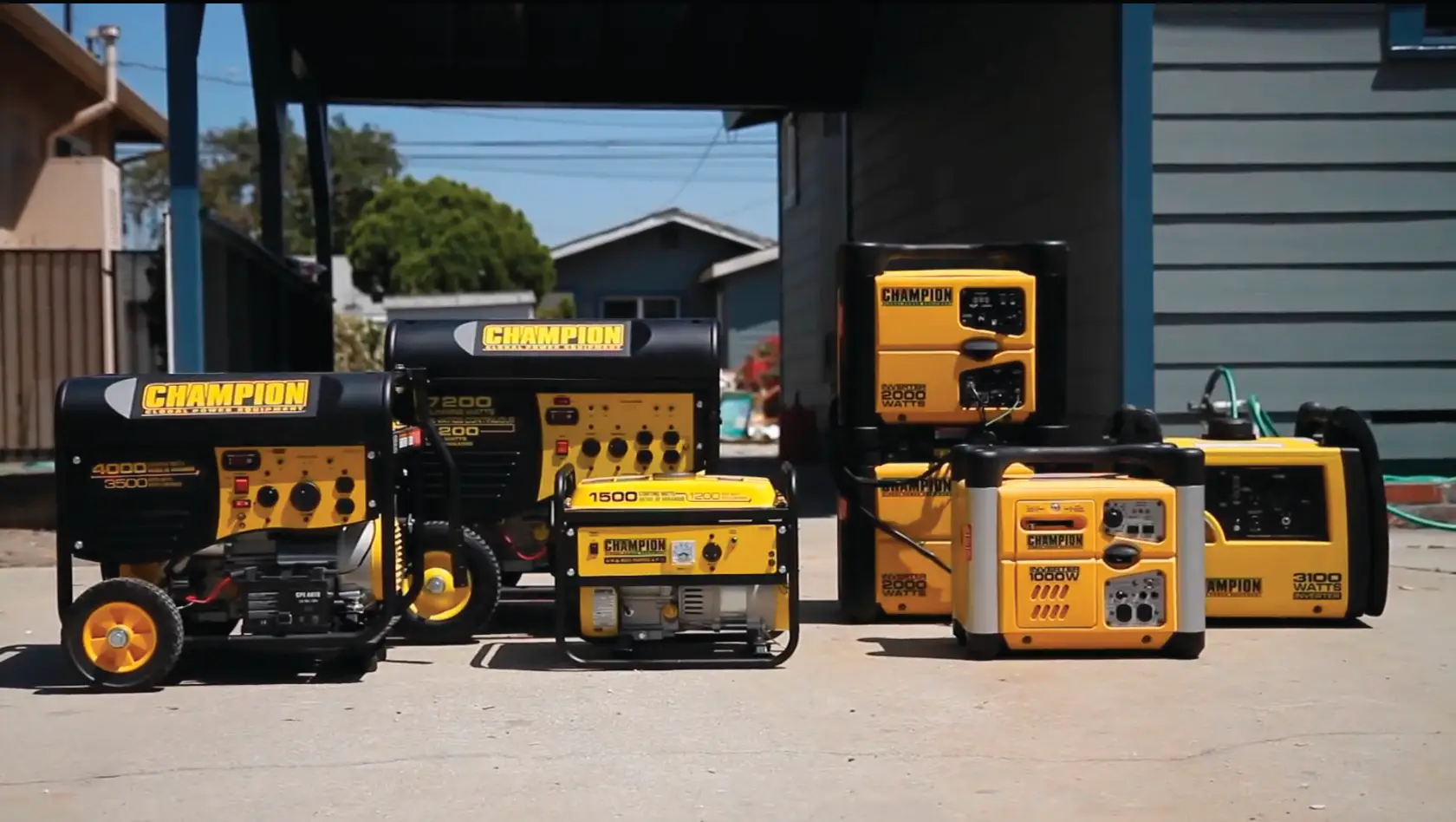
A conventional generator produces AC power directly from the engine running at a steady speed, usually high enough to maintain the required frequency. It is straightforward, proven, and well suited to heavier-duty applications where size and noise are less of a concern.
An inverter generator works differently. It creates power in stages, then converts it into stable electricity suitable for sensitive devices. That design allows the engine to adjust speed based on demand instead of running flat out all the time.
That one difference changes a lot in real use. Inverter units are usually quieter, more fuel-efficient at partial loads, and better for electronics. Conventional models are often stronger in outright output for the money and remain a solid choice for backup power, tools, pumps, and other equipment that needs dependable wattage more than refined power quality.
Power quality matters more than many buyers expect
If you are running LED lighting, a phone charger, a laptop, a modern TV, battery chargers, or control boards in newer appliances, clean output matters. Inverter generators are built for that kind of load. They deliver stable voltage and frequency with low harmonic distortion, which helps protect electronics from power fluctuations.
A conventional generator can still run many household and worksite loads without trouble. Refrigerators, freezers, sump pumps, saws, grinders, heaters, and larger motors are common applications. But if your plan includes sensitive electronics, medical equipment, or anything with advanced digital controls, an inverter generator is usually the safer call.
This is where many people get tripped up. They assume backup power is just backup power. It is not. A generator that can start a pump is not automatically the best generator for a home office, charging station, or camper setup with sensitive onboard systems.
Noise is not a small issue
If your generator will run near the house, near neighbors, at a campsite, or beside a mobile work area, noise becomes a daily quality-of-life factor. Inverter generators are usually much quieter because the engine can slow down when demand is low. That matters overnight, during long outages, or when you want power without constant engine roar in the background.
Conventional generators are louder by nature, especially under steady operation. For open worksites, farm buildings, and emergency situations where output matters more than comfort, that may be an acceptable trade-off. But if you expect to use the machine often, noise fatigue becomes real. Many buyers underestimate it until the first long run.
Fuel use and run time
Fuel efficiency is one of the strongest arguments for inverter models. Because the engine speed can rise and fall with the electrical load, fuel use is often lower when powering lighter or variable demand. That makes a difference if you are using the generator for weekend trips, mobile work, or household essentials during a multi-hour outage.
A conventional generator typically runs at a fixed speed to maintain output frequency. It burns more fuel even when the connected load is modest. That is not always a dealbreaker. If you need a larger unit to support heavier loads, the extra consumption may be worth it. But for buyers who expect long run times with mixed household electronics and small appliances, inverter units are often easier on the fuel budget.
In cold weather, fuel planning matters even more. A generator that sips fuel and starts reliably can save real hassle when conditions are rough and resupply is not immediate.
Portability and storage
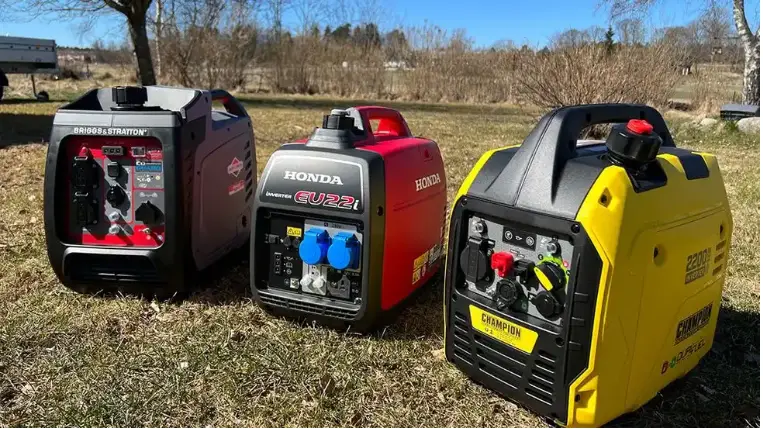
Inverter generators are generally more compact and easier to carry. That makes them popular with homeowners who want a backup unit they can move out quickly, as well as with off-road users, mobile service crews, and anyone working far from fixed power.
Conventional generators tend to be larger and heavier, especially as output climbs. Wheels and handles help, but they are still less convenient to load, unload, and store. If your generator will live in a shed until emergency use, that may be fine. If it needs to move from truck to site to cabin regularly, size becomes part of the buying decision.
This is one of those areas where honesty pays off. If a machine is too heavy or awkward for your real routine, you will use it less or resent it more.
Price and value
If you compare inverter vs conventional generator pricing, conventional models often win on upfront cost per watt. They can deliver a lot of output for the money, which is why they remain attractive for backup systems, farm tasks, and tool-heavy jobs.
Inverter generators usually cost more for similar rated power. You are paying for quieter operation, cleaner electricity, smarter engine control, and often a more portable package. For some buyers, that premium is easy to justify. For others, it is money better spent on more total wattage, a transfer setup, extra fuel storage, or maintenance supplies.
Value depends on use. If your priority is running a refrigerator, freezer, lights, and a well pump during outages, a conventional generator may give you more muscle for the budget. If your priority is quiet, efficient power for mixed loads and electronics, an inverter model often proves its value over time.
Which type handles startup loads better?
This depends on the specific machine, not just the category. Motors need extra wattage at startup, and that surge can be much higher than running demand. Conventional generators are often selected for these tougher starts because buyers can step into higher-output models without the premium that comes with large inverter units.
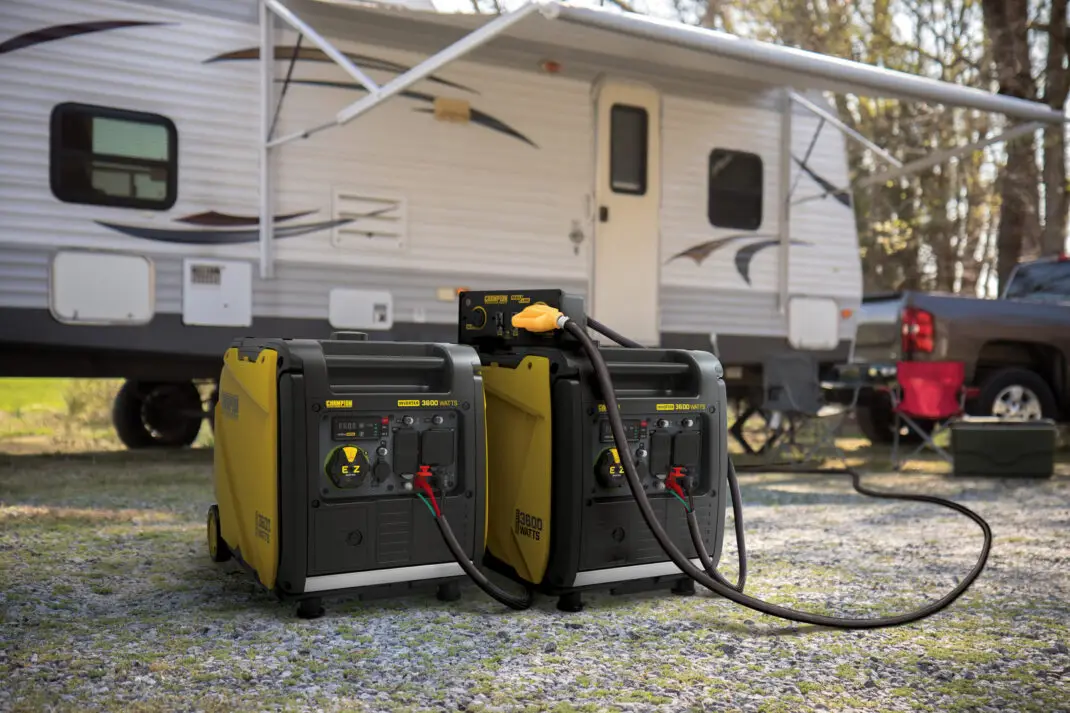
That said, many inverter generators are excellent at handling short surges within their rated limits. Some can also be paired in parallel, which gives you flexibility. You can use one unit for lighter needs and connect a second when more output is required.
Still, if you need to start pumps, compressors, pressure washers, or larger tools regularly, do not guess. Calculate starting watts and running watts carefully before choosing either type.
Best use cases for an inverter generator
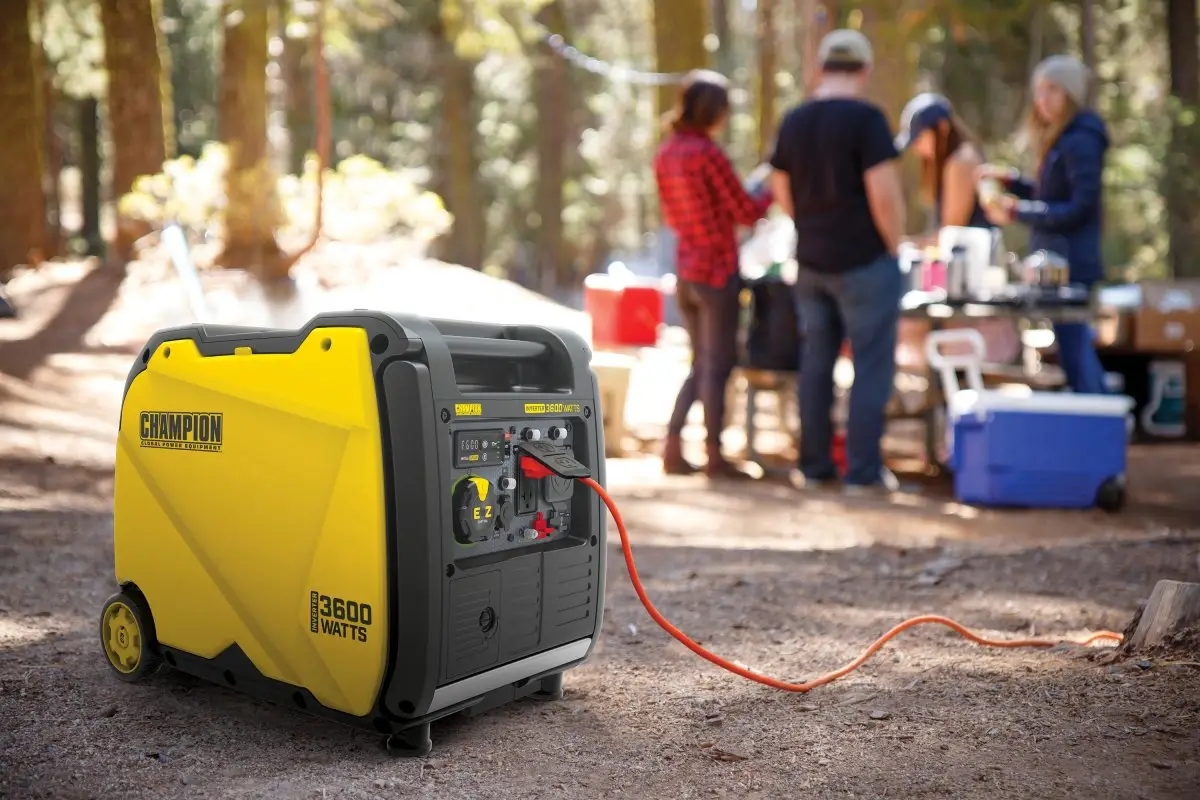
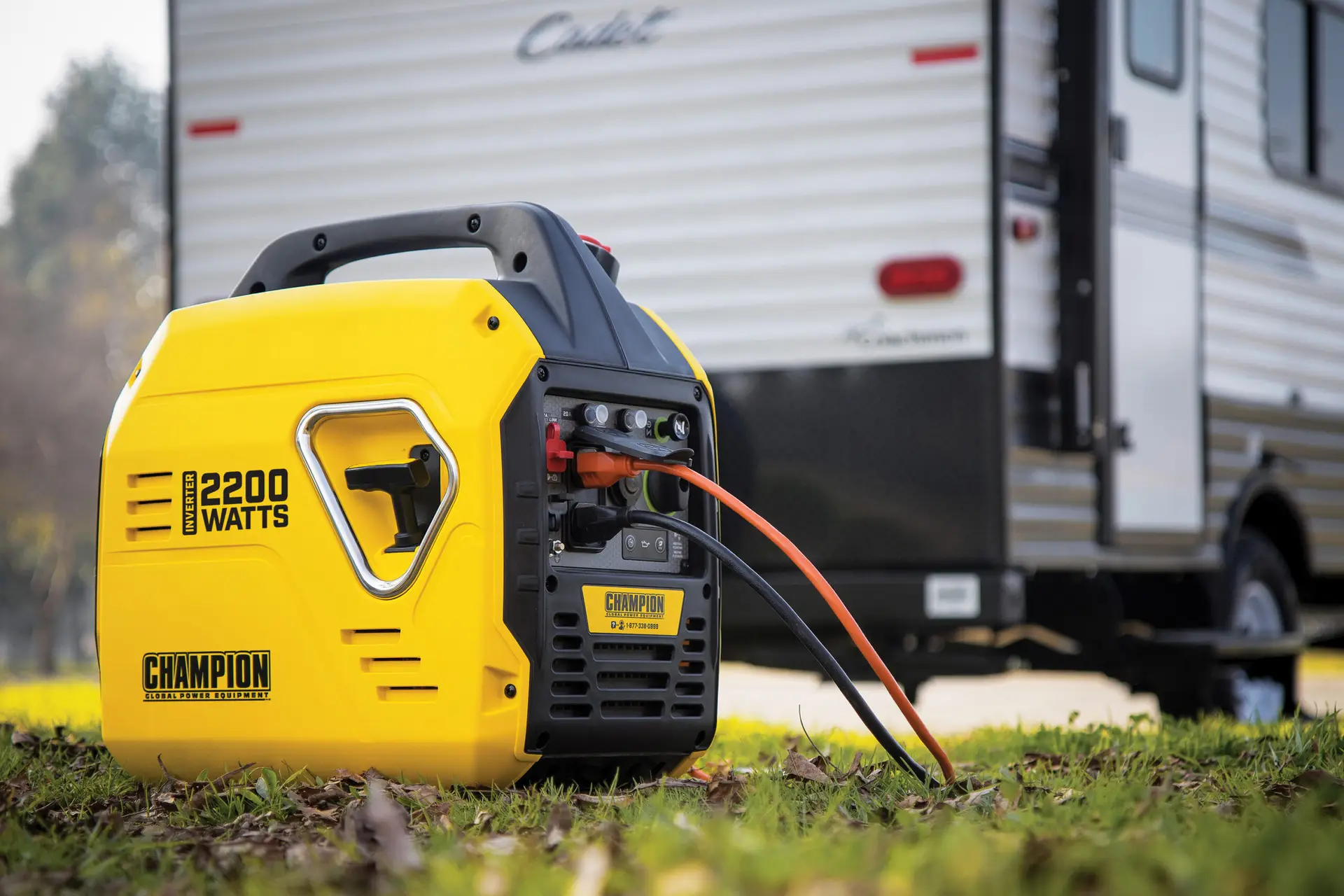
An inverter generator makes the most sense when clean power, quiet running, and portability are high on the list. It is a strong fit for home backup focused on essentials and electronics, RV and camping use, mobile workshops, service vehicles, outdoor events, and field operations where lower noise helps.
It is also a smart choice for people who will use the machine often rather than only in rare emergencies. Better fuel efficiency and lower noise are easier to appreciate when the generator becomes part of your normal routine.
Best use cases for a conventional generator
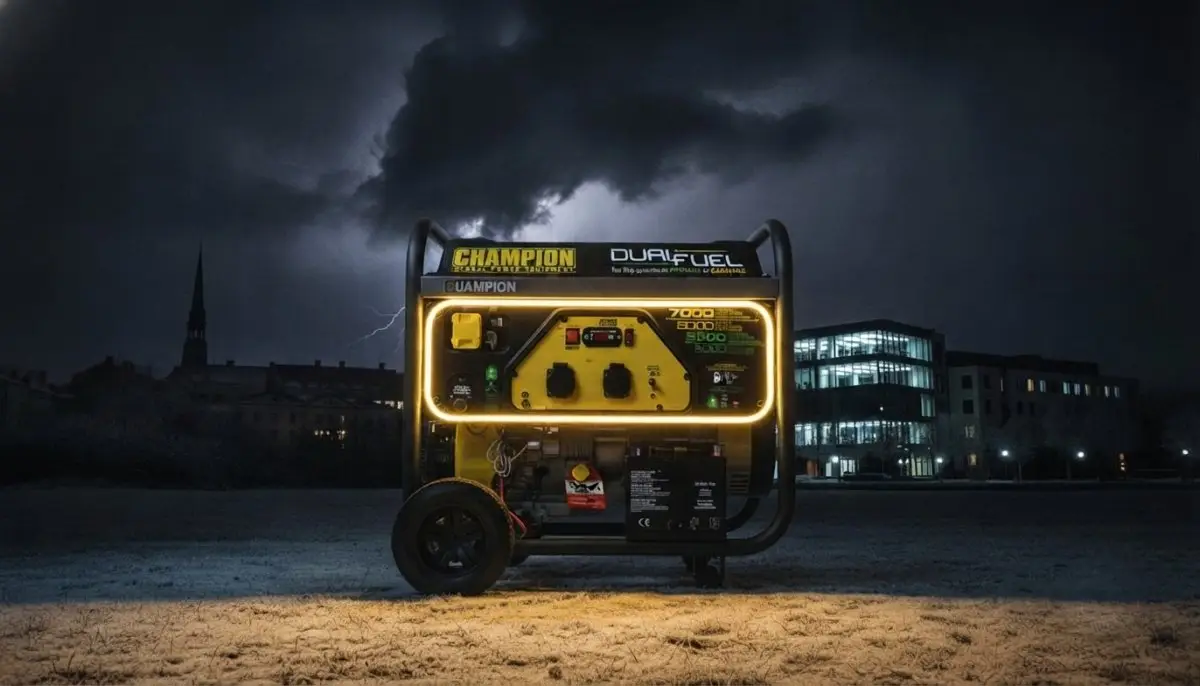
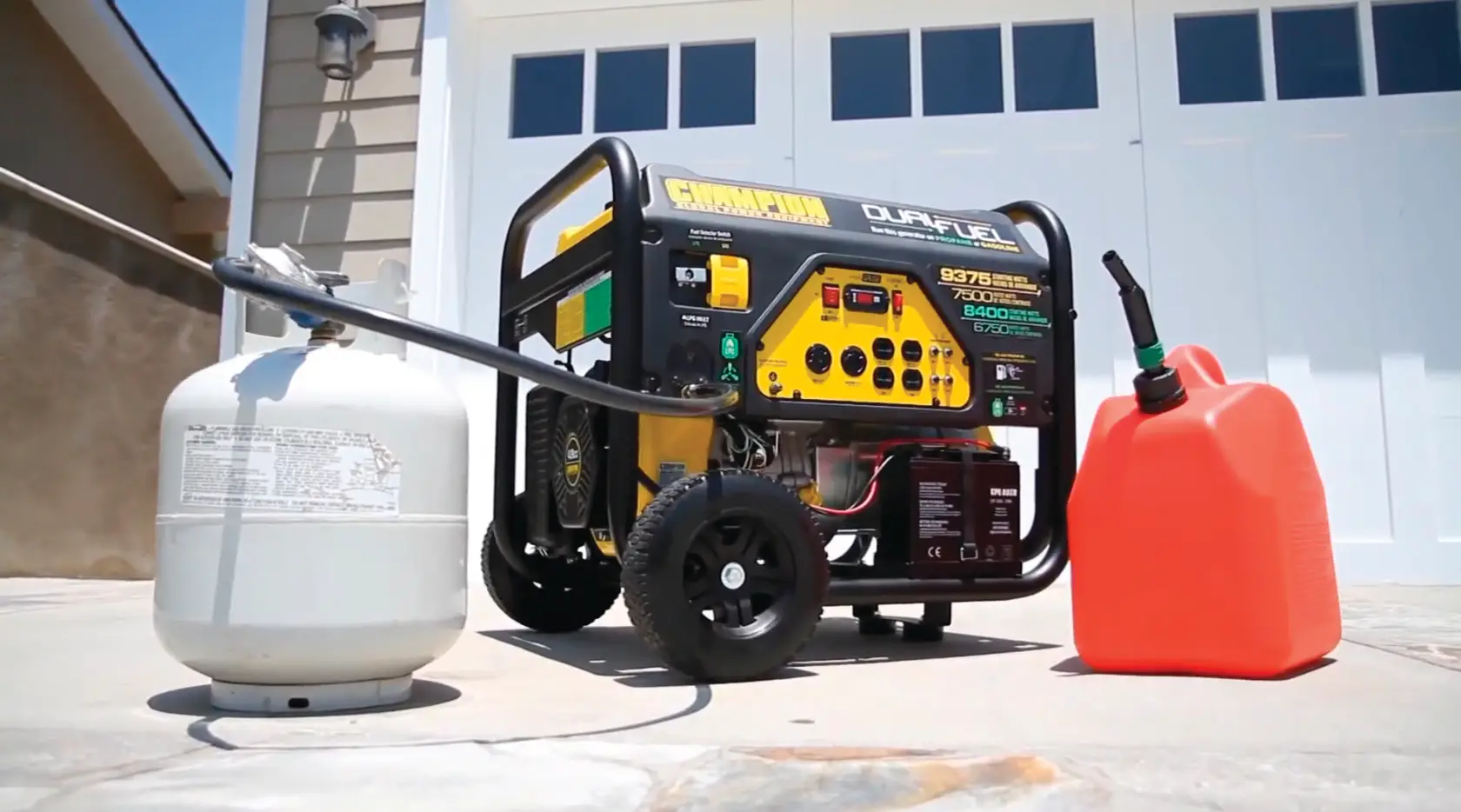
A conventional generator is often the practical answer when you need more output at a lower cost, and the load is less sensitive. It fits well for larger backup demands, workshops, construction tools, pumps, heaters, agricultural use, and remote sites where rugged simplicity matters more than refinement.
For buyers who prioritize wattage, durability, and straightforward operation, conventional units still make a lot of sense. They are proven workhorses, especially when paired with realistic expectations about noise and fuel use.
How to choose without overbuying or underbuying
Start with the loads, not the marketing. Write down everything you expect to run. Separate must-have items from nice-to-have items. Note both running wattage and starting wattage. A freezer, pump, or power tool can change the whole equation.
Next, think about the environment. Will the generator run outside a house during outages, at a cabin, from a trailer, or on active jobsites? If quiet operation and portability matter every time you use it, that points toward inverter power. If the generator will stay in one place and support tougher loads, conventional power may be the better fit.
Then look at how often the machine will work. Frequent use favors comfort, efficiency, and cleaner output. Occasional emergency use may favor lower upfront cost and higher total capacity.
Finally, think beyond the day of purchase. Maintenance items, fuel storage, cold-weather starting behavior, and access to parts all matter once the unit is in service. A generator is not just a box with watt numbers on it. It is equipment you may need to trust when conditions are poor and the job cannot wait.
A good generator choice feels boring in the best possible way. It starts, carries the load it should, and does not force you into compromises you could have avoided with a better fit from the start.