





Blog
Can a Generator Power a Whole House? Size It Right

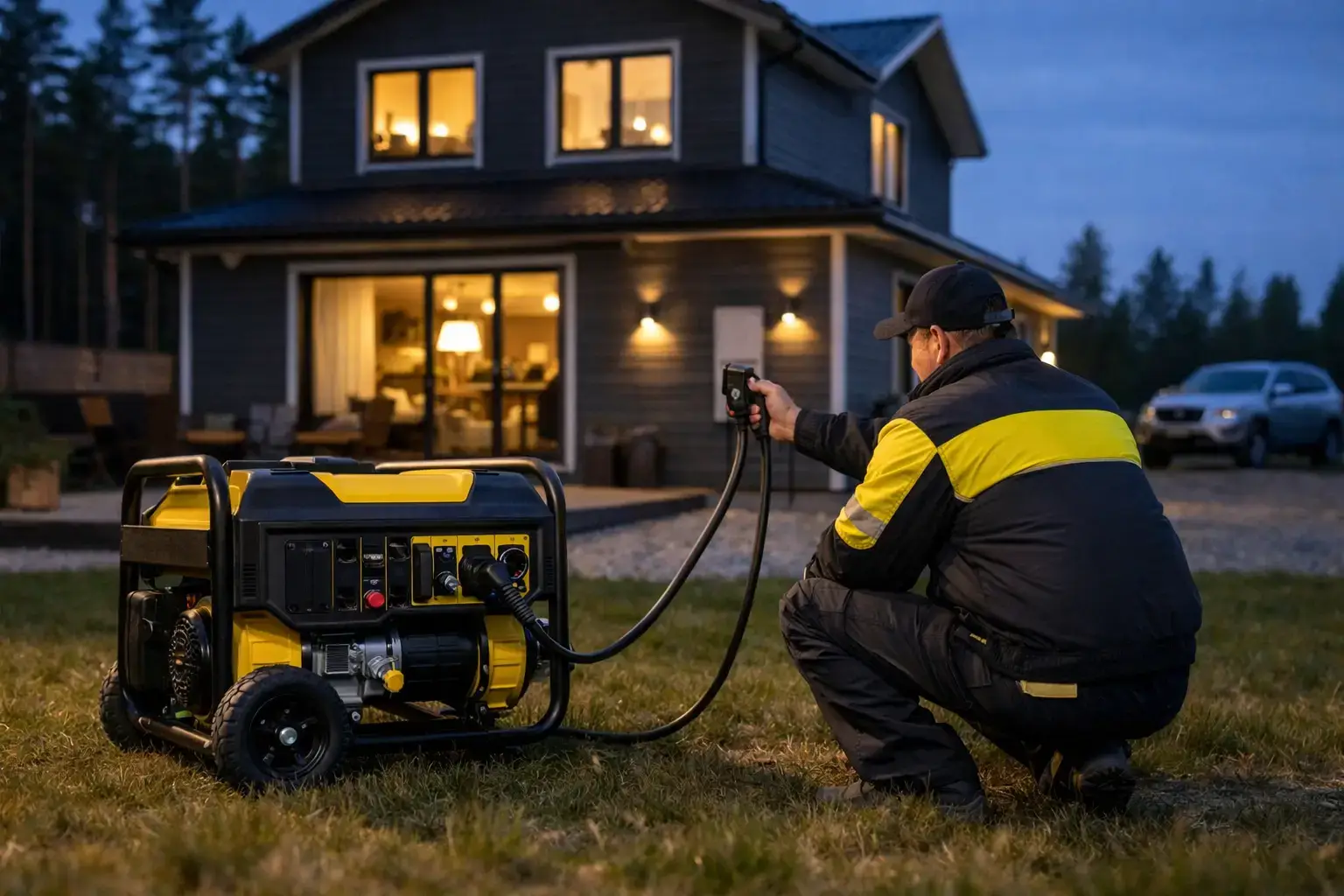
A winter outage is not the time to find out that your generator can run the lights but not the well pump, furnace, or refrigerator. So, can a generator power a whole house? Yes, but only when the generator, connection method, and load plan are matched to the home. For many properties, powering the entire electrical panel is possible. Powering every appliance at once is a different job.
The practical goal is usually not to run the house exactly as normal. It is to keep heat, water, food storage, lighting, communications, and a few essential outlets operating safely until utility power returns. That takes accurate wattage planning and equipment built for real backup duty.
Can a Generator Power a Whole House During an Outage?
A generator can supply a whole house through a properly installed transfer switch or interlock kit. This lets the generator feed selected circuits, or in some setups the full panel, without sending electricity back into the utility lines.
The limiting factor is generator output. A compact inverter generator may handle a refrigerator, lights, internet equipment, and phone charging. A larger portable generator can support essentials plus a well pump, furnace blower, freezer, and sump pump. Larger homes with electric heat, multiple pumps, central air conditioning, electric water heaters, or induction ranges can require far more capacity than a portable unit can reasonably provide.
That distinction matters. A 7,000-watt generator may power most essential household circuits well. It will not necessarily run electric baseboard heat, a clothes dryer, an oven, and central air at the same time. Load management is part of reliable backup power.
Start With the Loads That Cannot Stop
Make a list of what must run in an outage, then separate it from what can wait. For a rural home, the critical list often includes the well pump, pressure tank controls, refrigerator, freezer, heating system, circulation pump, lighting, security equipment, garage door opener, and internet router. A sump pump becomes a priority when storms bring both power loss and rising water.
Every appliance has a running wattage, which is the power it needs while operating. Motors also demand a brief surge of starting watts. This is where many generator plans fail. A refrigerator may run at 150 to 300 watts but need substantially more when its compressor starts. Pumps, air compressors, and some furnace blowers can create an even larger startup demand.
Use the appliance nameplate, owner manual, or manufacturer specifications whenever possible. Add the running watts of the loads expected to operate together. Then add the highest starting-watt requirement from motor-driven equipment likely to start while the system is under load. Leave a safety margin of roughly 20 to 30 percent rather than choosing a generator that will run at its limit all day.
For example, a home may need 600 watts for refrigeration, 800 watts for a furnace blower, 1,000 watts for a well pump while running, 700 watts for a sump pump, 400 watts for lighting and electronics, and 300 watts for small kitchen loads. That is 3,800 running watts before starting surges. If the well pump or sump pump needs an additional 2,000 to 3,000 watts to start, a generator in the 7,000 to 9,000 running-watt range may be the more dependable choice.
Generator Size Is More Than One Number
Do not shop by peak watts alone. Generators are commonly listed with running watts and starting watts. Running watts are the continuous output available for normal operation. Starting watts are the temporary extra capacity available to start motors.
For household backup, use running watts as the main comparison figure. A generator advertised with 9,000 starting watts may provide only 7,000 running watts. That can still be an excellent capacity for essential circuits, but the difference must be understood before connecting loads.
As a practical guide, these ranges are common:
- 2,000 to 3,500 running watts can cover basic refrigeration, lighting, electronics, and selected small loads.
- 4,000 to 6,500 running watts can support a more complete essentials plan, depending on pump and heating requirements.
- 7,000 to 10,000 or more running watts is often suitable for larger essential-load panels, well pumps, sump pumps, and several household circuits.
- Homes with electric heating, large air conditioning systems, or several high-demand appliances may need a permanent standby system, load-shedding controls, or a deliberate plan to run major loads one at a time.
A properly sized generator should not be worked at maximum output continuously. It runs cooler, handles motor starts better, and gives you room for an unexpected load when there is spare capacity.
120/240-Volt Output Matters
Many homes use a 120/240-volt split-phase service. To power both sides of a typical household panel, a generator needs a 120/240-volt outlet and the correct connection equipment. A 120-volt-only inverter generator can be excellent for extension cords and smaller backup loads, but it may not be the right tool for a full panel connection.
Check the generator receptacles, rated output, and panel requirements before buying. Also make sure the generator has the outlet type and amperage required by the transfer switch inlet. A high wattage rating does not help if the connection setup is mismatched.
Connect It Safely: Never Backfeed the Panel
The safest way to run household circuits is through a transfer switch or a correctly installed panel interlock. This work should be planned and installed by a qualified electrician who understands local electrical requirements.
Never plug a generator into a household wall outlet using a homemade double-male cord. This dangerous practice, known as backfeeding, can energize utility lines, injure utility workers, damage equipment, and create a serious fire risk. It also gives you no controlled way to isolate the home from the grid.
A transfer switch gives clear control over utility and generator power. A manual transfer switch is practical for many portable generator owners because it lets you choose the specific circuits that receive backup power. An interlock can be another effective option when installed for the correct panel. Either method prevents the main utility breaker and generator breaker from being on together.
Run the generator outdoors only, well away from doors, windows, vents, garages, and crawl-space openings. Carbon monoxide has no smell and can enter a building quickly. Keep the unit on firm, level ground where exhaust can move away from the home. Use carbon monoxide alarms inside the house and test them before storm season.
Fuel Runtime and Cold Weather Change the Plan
A generator that is large enough on paper still needs enough fuel to last through the outage. Check fuel consumption at 25 percent, 50 percent, and full load, not just the maximum runtime claim. A heavily loaded generator burns fuel faster, and frequent refueling may not be realistic during severe weather.
Gasoline is widely available and convenient for portable generators, but it needs careful storage and rotation. Propane stores longer and is often a strong backup option for dual-fuel generators, though output can be slightly lower than on gasoline. Diesel can suit certain heavy-duty applications, but cold-weather fuel handling and engine maintenance need attention.
In Baltic and Nordic-style winter conditions, keep fuel fresh, use the manufacturer-approved oil grade, and store the generator where it can be moved into a safe outdoor operating position without fighting snow, ice, or deep mud. Test-start the unit regularly. A generator that has sat unused for a year is not a preparedness plan.
Choose Features That Support Real Household Backup
For sensitive electronics, an inverter generator provides cleaner power and often runs more quietly at lighter loads. It is a strong choice for refrigerators, routers, computers, chargers, and modern control boards. Conventional open-frame generators can deliver high output for the cost and work well for demanding loads, but noise level, fuel use, and power quality should be considered.
Dual-fuel capability gives more flexibility when gasoline supplies are limited or when propane storage fits the property better. Electric start is useful when the generator must be started quickly in cold weather. Low-oil shutdown, overload protection, and covered outlets add practical protection when the equipment is working hard.
Champion Baltics customers should also consider the ownership side: engine oil, filters, spark plugs, covers, extension leads, and spare parts are not optional extras when the generator is part of a home emergency plan. Keep the maintenance items on hand before the outage, not after it.
Test the System Before You Need It
Once the generator and transfer equipment are installed, run a controlled test. Start the generator, switch to generator power, and bring on loads one at a time. Watch for overload warnings, voltage drops, unusual sounds, or circuits that were mistakenly included in the backup plan.
Practice the order of operation with everyone who may use the system. In most cases, start the generator with major loads off, let it stabilize, connect the home through the transfer equipment, then add circuits gradually. Turn off large loads before shutting down. This simple routine reduces stress on the generator and makes a real outage easier to manage.
The best whole-house generator setup is not the one with the biggest number on the box. It is the one that starts reliably, powers the circuits your household truly depends on, and gives you enough reserve to stay safe when conditions are at their worst.
