






Blog
Portable Generator Accessories That Earn Their Keep

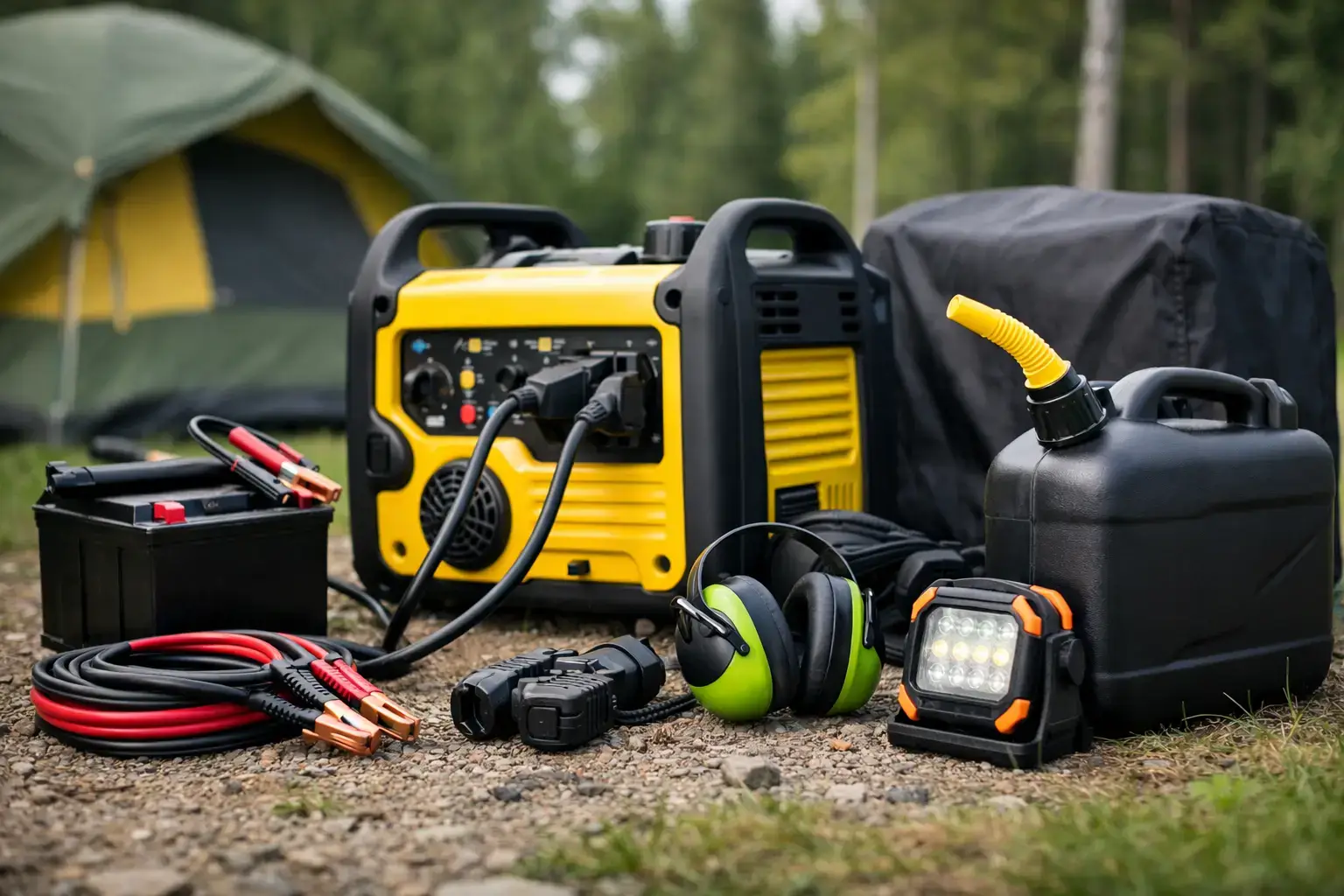
A generator is only as useful as the equipment connected to it. The right portable generator accessories help you deliver power where it is needed, protect the machine from weather and wear, and avoid the avoidable mistakes that cause downtime. Whether you are backing up a rural home, running tools on a jobsite, working from a hunting camp, or keeping a workshop operational after an outage, accessories turn a generator from a standby machine into a dependable power system.
The best setup is not necessarily the largest pile of add-ons. It is the equipment that matches your generator’s output, your fuel plan, and the conditions where you work.
Start With Safe Power Delivery
A generator may have plenty of watts available, but an undersized cord, poor connection, or improvised wiring can waste that capacity and create a serious safety risk. Start with the equipment that moves power safely from the generator to the load.
Use generator-rated extension cords
For temporary power, choose outdoor-rated extension cords with a wire gauge suited to the load and cord length. Long, thin cords can cause voltage drop. That means tools may run hot, motors can struggle to start, and sensitive electronics may not receive stable power.
For light-duty items such as lamps, chargers, and small electronics, a properly rated 14-gauge cord may be suitable over a short distance. For heavier loads, including heaters, compressors, saws, pumps, and multiple tools, 12-gauge or 10-gauge cords are usually the safer working choice. The longer the run and the higher the amperage, the heavier the cord should be.
Do not run a generator through a household outlet to energize a building. This dangerous practice, known as backfeeding, can send power onto utility lines and damage equipment or injure line workers. If you need to power selected home circuits, use a correctly installed transfer switch or generator inlet installed by a qualified electrician.
Match plugs, outlets, and amperage
Before buying a cord or adapter, check the generator’s outlet types and ratings. A 120V household-style outlet, a 30A RV outlet, and a 120/240V twist-lock outlet all serve different purposes. An adapter can be useful when it is correctly rated, but it cannot increase the power available from the generator or turn a low-amperage circuit into a high-amperage one.
For RV use, a proper RV adapter and surge protection are practical additions. For jobsites, weather-resistant splitter boxes can help distribute power without creating a tangled chain of household power strips. Keep connections off wet ground and protect them from standing water.
Portable Generator Accessories for Longer Runtime
When the power outage lasts longer than expected or the workday runs past sunset, fuel management becomes the priority. Runtime depends on generator load, fuel tank size, fuel type, outside temperature, and the condition of the machine. Accessories cannot change those basics, but they can make refueling and storage safer and more efficient.
Approved fuel containers are the first requirement. Use clean, properly labeled containers designed for gasoline or diesel, and keep them away from ignition sources. A fuel spout or controlled pour system reduces spills, which matters around hot engine components and dry grass.
For gasoline generators that may sit between seasons, fuel stabilizer is a small investment with a large payoff. Untreated gasoline can degrade, leave deposits in the carburetor, and turn a ready generator into a no-start problem. If the generator will be stored for an extended period, follow the manufacturer’s instructions for fuel storage, fuel shutoff, and carburetor draining.
Dual fuel generators add another planning decision. Propane stores longer than gasoline and can be a strong choice for backup readiness, but cold conditions and tank size affect available vapor pressure and runtime. Keep enough approved propane capacity for the expected load, and inspect hoses and connectors before operation. Never assume one fuel source removes the need for a reserve plan.
Protect the Generator Between Jobs
Mud, rain, dust, snow, and UV exposure all shorten the working life of portable equipment. A fitted generator cover protects the machine during storage and transport, but it is not a license to run the generator under a cover. Generators need unrestricted airflow to control heat and exhaust.
For operation in bad weather, use a purpose-built generator tent, enclosure, or weather shelter designed to maintain ventilation and keep exhaust safely outside. Any shelter must leave clear space around the generator and must not trap heat or carbon monoxide. Never operate a portable generator in a garage, shed, basement, vehicle, tent, or partially enclosed space, even with doors or windows open.
A stable base is just as useful as a cover. Place the generator on firm, level ground where it will not sink into mud or sit in water. Anti-vibration pads can reduce movement and noise on hard surfaces, while a simple ground mat helps keep dust, gravel, and moisture away from the underside during field use.
Maintenance Items Prevent the Worst Downtime
Most generator failures happen at the wrong time because basic service was delayed. Keeping a few maintenance supplies with the unit makes routine checks easier and removes the excuse to postpone them.
Keep the correct engine oil on hand, along with a funnel, drain pan, and clean rags. Check the oil level before each use on most portable generators, and change it at the intervals listed in the owner’s manual. Cold starts, heavy loads, and dusty work can justify more frequent checks.
A spare air filter is worthwhile for forestry work, construction sites, farms, and other dusty locations. Restricted airflow reduces engine performance and increases fuel consumption. A spare spark plug, fuel filter where applicable, and basic hand tools can also save a trip when the generator is needed immediately.
Battery-equipped electric-start models deserve attention too. A battery maintainer can keep the starting battery ready during long storage periods. Check terminals for corrosion and confirm the starter works before storm season, not when the lights are already out.
Accessories That Help You Work Smarter
Some add-ons are about convenience, but convenience matters when the job is remote, wet, or time-sensitive. A wheel kit and folding handle make a heavier open-frame generator manageable across a property. For rough ground, larger solid wheels are often more useful than small hard casters.
A generator hour meter helps track service intervals based on real operating time rather than guesswork. This is especially useful for rental-style use, farms, workshops, and crews sharing equipment. A simple logbook works too: record oil changes, filter service, fuel treatment, and any starting or load issues.
For inverter generators powering phones, laptops, communication equipment, or battery chargers, use quality cords and avoid overloaded outlet splitters. Inverter models are designed for cleaner power, but they still need sensible load management. Start high-draw motor loads one at a time, and leave headroom rather than operating at maximum output for hours.
Consider a carbon monoxide detector part of the generator setup whenever the unit is operating near a home, cabin, trailer, or occupied work area. The generator itself must remain outdoors and well away from doors, windows, vents, and air intakes. A detector adds a valuable warning layer, but it does not make unsafe placement acceptable.
Buy for Your Actual Generator and Use Case
The right accessory package depends on how you use the machine. A homeowner preparing for outages may need heavy-duty cords, a transfer switch setup, stabilized fuel, oil, and a weather-safe operating shelter. An RV owner may prioritize the correct adapter, surge protection, propane connection equipment, and a compact storage cover. A contractor may get more value from long 10-gauge cords, splitter boxes, a wheel kit, spare filters, and an hour meter.
Check the generator manual before choosing anything that connects to its outlets, fuel system, or frame. Pay attention to rated watts, surge watts, outlet amperage, fuel compatibility, and manufacturer guidance. A bargain cord or incorrect adapter can become expensive when it damages a tool, trips a breaker repeatedly, or limits the generator when power matters most.
Build your kit around safety first, then runtime, then convenience. With the right gear packed beside the generator, you spend less time improvising in the dark and more time keeping the home, tools, or worksite moving.
