




Blog
How to Use a Winch Safely for Recovery Work

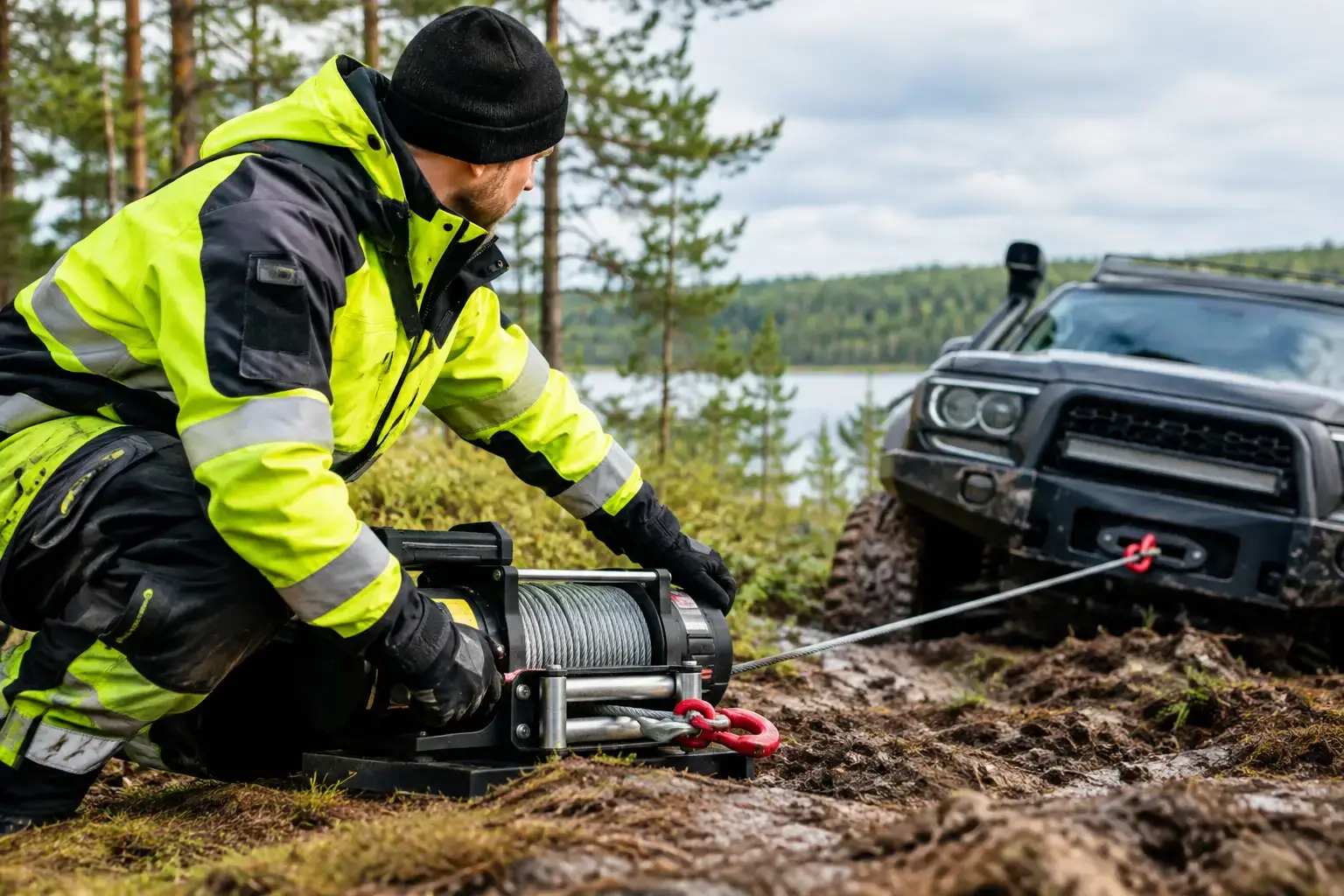
A stuck vehicle rarely comes out with brute force alone. Mud, snow, loose sand, steep terrain, and a loaded trailer can all turn a simple pull into a high-load recovery job. Knowing how to use winch equipment correctly gives you controlled pulling power when traction runs out – but only if the winch, anchor point, rigging, and people around it are handled with discipline.
A winch is not a towing strap with a motor. It creates serious force, and a poor setup can damage the vehicle, tear out an anchor point, snap a line, or injure someone nearby. Use the right rated equipment, inspect it before every pull, and take time to rig the recovery properly.
Start With the Right Winch and Recovery Gear
Before pulling anything, make sure the winch is sized for the job. For vehicle recovery, a common rule is to choose a winch with a rated line pull of at least 1.5 times the vehicle’s gross weight. A heavier vehicle, deep mud, steep gradient, or damaged wheel can increase the force required significantly. A 4×4 that weighs 5,000 pounds, for example, will often need a winch rated well above 7,500 pounds for reliable recovery work.
Winch capacity is only part of the setup. You also need recovery gear that matches or exceeds the load rating of the winch. That includes a rated recovery strap or tree saver, bow shackles or soft shackles, a snatch block, gloves, and a line damper. Never use a chain, worn rope, or a random hardware-store hook as a recovery connection.
Synthetic winch rope is light, easier to handle, and generally safer if it fails, but it needs protection from sharp rocks, abrasion, heat, and UV exposure. Steel cable tolerates abrasion well but can develop broken strands and stores more energy under load. Whichever line you use, inspect it before the job. Replace damaged cable, rope with cut fibers, bent hooks, cracked fairleads, or corroded shackles before putting the winch under tension.
How to Use a Winch: Plan the Pull First
Stop before attaching the hook and look at the recovery from every angle. The safest pull is usually straight ahead, with the winch line aligned as closely as possible with the vehicle. A sharp side pull can bunch the rope on one side of the drum, damage the line, and overload mounting hardware.
Check the route the vehicle will take once it starts moving. Remove loose branches, rocks, and other obstacles where possible. If the vehicle is buried in mud or snow, clear material from in front of the tires. A few minutes with a shovel can reduce the load dramatically and prevent unnecessary strain on the winch.
Choose a solid anchor point. A healthy tree, another properly positioned vehicle, or a rated ground anchor can work. Never attach directly around a tree trunk with bare cable or rope. Use a wide tree saver strap low around the base of the tree to protect the bark and create a secure connection. If using another vehicle as the anchor, it must be heavier or firmly secured, with its parking brake on and wheels chocked where conditions allow.
Avoid attaching to a tow ball. Tow balls are not recovery points and can fail violently under side load or shock load. Use factory-rated recovery points or properly engineered aftermarket points mounted directly to the vehicle chassis.
Set Up the Winch Line Correctly
Put on durable gloves before touching the line. Disengage the winch clutch, pull the line out by hand, and walk it to the anchor point. Do not let the line drag across sharp edges, hot exhaust components, or rough rock.
Keep at least five wraps of line on the drum at all times. The outer layers are easier to pull from, but the line must retain enough wraps around the drum to hold securely. If the line is fully extended, reposition the anchor or use a suitable extension strap rated for recovery work.
Connect the winch hook to the tree saver strap, recovery strap, or a rated shackle. The hook’s safety latch should close completely. Do not hook the winch line back onto itself unless the manufacturer specifically approves that method. Doing so can crush synthetic rope or damage steel cable.
Place a line damper, recovery blanket, or heavy purpose-made dampening weight over the middle third of the line. It will not eliminate all danger, but it can reduce recoil if a line or connection fails. Keep people well away from the line, anchor, and path of the vehicle. Nobody should stand beside, step over, or straddle a tensioned winch line.
Pull Slowly and Keep the Load Controlled
Reconnect the winch clutch, take up slack slowly, and stop once the line is just tensioned. Recheck every connection before beginning the pull. The driver should be seated, wearing a seat belt, with the vehicle in the correct gear and ready to apply light throttle if needed. A second person can operate the remote from a safe position, but clear communication is essential.
Winch in slowly and steadily. Avoid sudden acceleration, jerking the line, or using the winch to shock-load a stuck vehicle free. A winch is designed for controlled pulling, not for yanking. If the vehicle does not move after a short pull, stop and reassess. It may be hung up on an obstacle, buried too deeply, or pulling against a poor line angle.
Use only light vehicle assistance when appropriate. In many recoveries, gentle tire rotation can help the vehicle climb out while the winch maintains forward tension. Spinning tires aggressively will often dig the vehicle deeper and can create dangerous movement around the recovery area.
Watch the winch motor and line during long pulls. Electric winches can overheat, especially under heavy load. If the motor slows, the control becomes hot, or you smell insulation heating up, stop and let the winch cool. A short pause is cheaper than a burned-out motor or damaged solenoid.
Use a Snatch Block When the Pull Gets Heavy
A snatch block is one of the most useful pieces of winching equipment because it lets you change the direction of the pull or double the line back to the vehicle. In a double-line pull, the winch pulls more slowly but gains mechanical advantage. This reduces the load on the winch and gives better control when recovering a heavy vehicle, working on a slope, or pulling through deep mud.
To rig a double-line pull, run the winch line from the vehicle to the anchor through the snatch block, then return it to a rated recovery point on the vehicle. Make sure the anchor, recovery point, shackles, and snatch block are all rated for the increased forces involved. The load is shared differently across the system, so this is not a place for weak straps or unverified hardware.
A snatch block can also correct an awkward angle. If the vehicle needs to move around a tree, rock, or obstacle, an offset anchor can redirect the pull. Keep the angle gradual where possible and monitor the line as it winds onto the drum.
Finish the Recovery Without Rushing
Once the vehicle reaches firm ground, keep tension on the line until it is stable and secure. Put the vehicle in park or apply the parking brake before disconnecting the rigging. Release tension slowly, then disconnect the hook using gloves.
Wind the line back onto the drum under light tension. Guide it evenly from side to side with a gloved hand while standing clear of the fairlead. Do not allow the rope or cable to pile up on one side. An unevenly wound line can bind, crush lower layers, and create trouble on the next recovery.
After the job, inspect the equipment again. Look for frayed rope, flattened cable, heat damage, bent hooks, stretched straps, and loose mounting bolts. Clean mud and grit from the rope and fairlead, then store recovery gear dry and protected. Equipment that is maintained after every use is far more likely to work when weather, distance, and terrain leave no room for failure.
A winch is most valuable before you need it. Practice setting an anchor, handling the remote, and winding the line on a calm day. When your vehicle is buried in wet ground or snow starts falling, good habits are what turn recovery gear into a dependable way home.