






Blog
How to Change Winch Cable Safely Without Risk

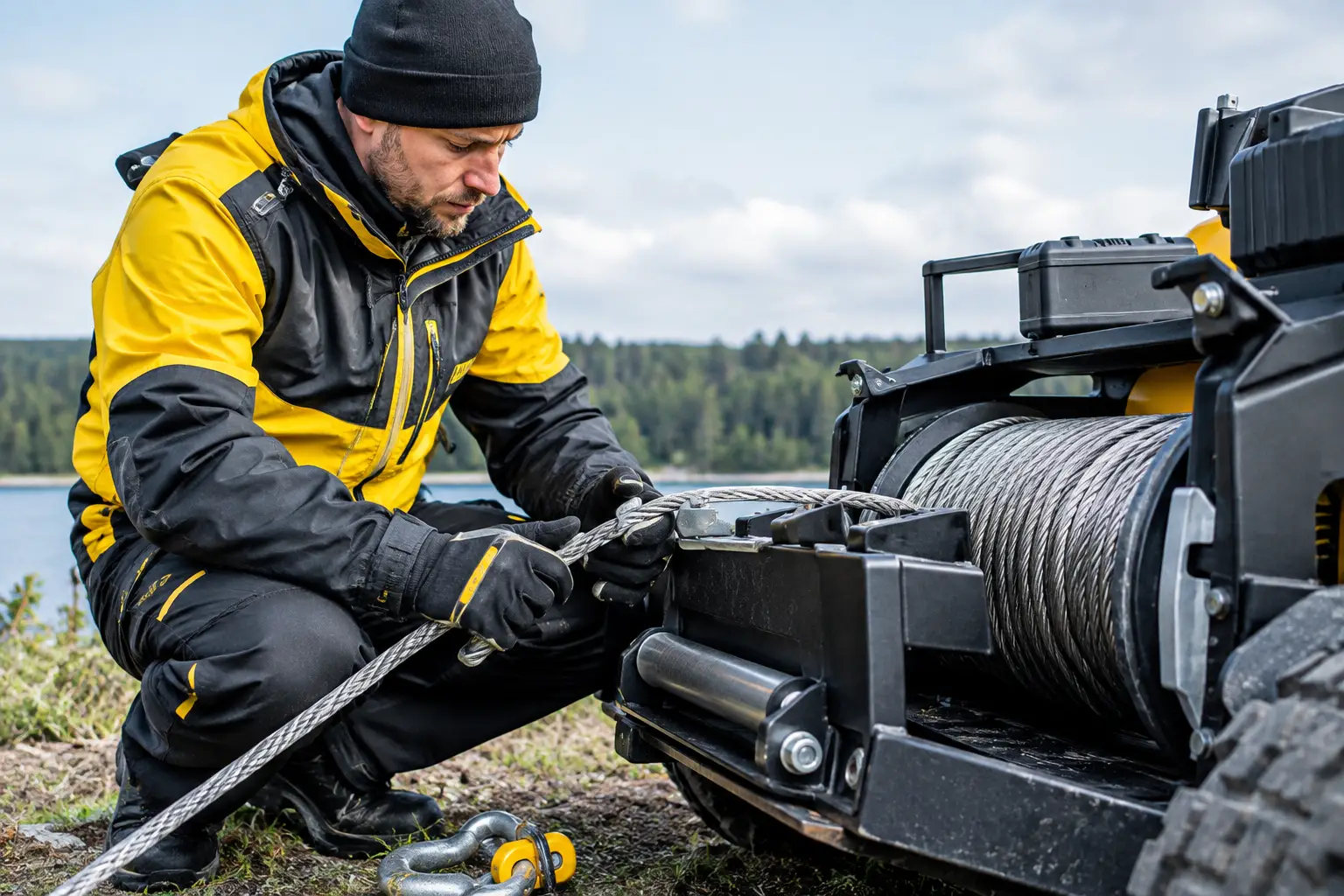
A frayed winch line is not a minor cosmetic issue. It can fail under load, damage the fairlead, or turn a routine vehicle recovery into a dangerous situation. Knowing how to change winch cable safely protects your equipment, your vehicle, and everyone standing nearby when the winch is needed most.
This is not a job to rush before heading into the forest, onto a worksite, or off-road in bad weather. Set aside enough time, work on level ground, and use a replacement line that matches your winch and recovery setup. A correctly installed cable pays off when mud, snow, steep ground, or a disabled vehicle leaves no room for mistakes.
Before You Change Winch Cable Safely
Start by confirming what needs to be replaced. Steel wire rope with broken strands, flattened sections, heavy corrosion, bird-caging, kinks, or crushed areas should be removed from service. Synthetic rope should be replaced if it has melted fibers, deep abrasion, cuts, stiffness from contamination, or damage close to the drum connection.
Do not assume any replacement cable will fit. Check the winch manual for the correct diameter, length, material, and minimum breaking strength. The line must be rated for the winch, while the drum must have enough capacity for its full length. A line that is too thick can overfill the drum and bind against the winch housing. One that is too thin may not have the required strength and can damage the drum anchor.
Steel wire rope and synthetic rope have different operating needs. Steel cable is durable against abrasion and heat but can store more energy when loaded and develops sharp broken wires. Synthetic rope is lighter, easier to handle, and safer in many recovery situations, but it needs protection from sharp edges, heat, chemicals, and abrasion. If you switch materials, inspect whether your fairlead, hook, chafe guard, and drum anchor are suitable for the new line.
Gather the right equipment before starting: your replacement line, the correct hand tools, gloves, eye protection, a clean rag, and the winch manual. Leather work gloves are especially important when handling old steel cable. Never handle damaged wire rope with bare hands.
Make the Winch Safe Before Removal
Park on firm, level ground. Put the vehicle in park or in gear, apply the parking brake, and chock the wheels if there is any chance of movement. The winch must be completely unloaded. Never remove or install a cable while it is attached to a recovery point, tree strap, vehicle, or any load.
Turn off the vehicle and isolate power to the winch. On many setups, that means disconnecting the negative battery terminal or using the battery isolation switch. This prevents accidental winch operation while your hands are near the drum, fairlead, or cable attachment point.
Release the clutch into free-spool only after the line is slack and the winch is isolated. Pull the old cable out carefully, keeping it straight and away from your feet. Do not stand directly in front of the fairlead as cable comes off the drum. If the line is tangled or tightly buried in lower layers, do not yank it free. Work it loose by hand with the winch powered down.
Once you reach the drum, identify the cable anchor. Depending on the winch, this may be a retaining screw, wedge-style anchor, or another manufacturer-specific fitting. The anchor holds the cable tail in place, but it is not designed to carry a full recovery load. The wraps of cable on the drum carry the load during winching.
Remove the old line according to the winch design. Keep the old fastener if it is in good condition, but replace damaged screws, clamps, or anchors with the correct parts. Improvised bolts and hardware are not a safe substitute.
Install the New Cable in the Correct Direction
Clean the drum before installing the replacement. Remove mud, rust scale, old grease, and sharp debris that could damage the new line. Inspect the drum flange and cable anchor hole carefully. A rough edge can cut synthetic rope or wear through a steel cable over time.
Feed the new cable through the fairlead first, then route it to the drum. On most vehicle recovery winches, the cable should wind onto the bottom of the drum and travel out through the bottom toward the fairlead. This supports the correct pull direction and helps prevent damage to the winch mounting. However, drum rotation and cable routing vary between winch models, so follow the diagram in your specific manual rather than relying on a general rule.
Attach the cable tail using the specified anchor method. Tighten the anchor hardware to the manufacturer’s required torque if that value is provided. Do not over-tighten a cable clamp or screw, especially on synthetic rope, as excessive pressure can weaken the fibers.
Before spooling the full length, pull the line by hand to confirm it feeds straight through the fairlead and onto the drum. It should not rub against a bumper edge, mounting plate, or sharp corner. For synthetic rope, make sure the protective sleeve sits where abrasion is most likely during normal recovery use.
Spool the Cable Under Controlled Tension
A loose first layer is one of the most common causes of a badly spooled winch line. Under a heavy recovery pull, loose wraps can be forced down into lower layers, pinching and damaging the line. The goal is a tight, even wrap from the first layer onward.
Reconnect power only after everyone is clear of the drum and fairlead. Keep the cable lightly tensioned as it winds in. Use a fixed anchor point and a controlled, straight pull in an open area. Nobody should stand in line with the cable, near the fairlead, or beside the drum while the winch is operating.
Wear gloves and guide the line from a safe distance at the fairlead, never with your fingers close to the rollers or hawse opening. Keep hands at least several feet away from the drum. If the line begins stacking hard against one drum flange, stop the winch and correct the angle before continuing.
The cable should be laid in neat, firm layers across the drum. A slight side-to-side movement is normal as the line stacks, but sharp crossing, loose loops, or bunching in one spot is not. Re-spool it if necessary. It takes longer now, but it prevents expensive damage later.
Do not try to wind the line under a heavy load solely to make it look tight. Use the controlled tension recommended by the winch or rope manufacturer. The right amount depends on line material, drum design, and winch capacity.
Final Checks Before the Next Recovery
With the line fully spooled, inspect the entire system before putting the winch back into service. Check that the hook is correctly installed and that its safety latch closes fully. Confirm that the fairlead is secure, smooth, and appropriate for the line type. Roller fairleads are commonly used with steel cable, while a smooth aluminum hawse fairlead is commonly preferred for synthetic rope.
Test the winch with a short, no-load power-in and power-out cycle. Watch for abnormal noise, uneven drum rotation, or cable movement at the drum anchor. Then inspect the remote control, solenoid connections, battery cables, and mounting bolts. A new cable cannot compensate for loose mounting hardware or weak electrical connections.
Keep enough wraps on the drum during every real recovery. The exact minimum depends on the winch and line manufacturer, but never pull until only the cable anchor is carrying the load. Marking the final safe wraps with a visible tag can help prevent that mistake when visibility is poor.
After the first real pull, inspect the new line again. Recheck the drum wraps, fairlead contact area, hook, and anchor point. Fresh cable can settle slightly after use, particularly if it was spooled with too little tension.
Replace Related Recovery Gear When Needed
Changing a winch line is a good time to inspect the rest of the recovery system. A worn hook, bent shackle, damaged soft shackle, cracked snatch block, or frayed tree strap can be the weak point that fails first. Recovery gear works as a system, and every component should be rated for the job.
For landowners, off-road drivers, and field crews, keeping a compatible replacement line and recovery accessories on hand avoids downtime when equipment is needed urgently. Champion Baltics supports that practical approach with winch accessories and replacement parts selected for working conditions where reliable recovery equipment matters.
A properly installed winch cable is not just maintenance. It is preparation for the moment your vehicle, trailer, or work equipment cannot move on its own. Take the extra time to install it cleanly, spool it tightly, and inspect it after use – then your winch is ready to work when the ground does not cooperate.