







Blog
Best Winches for Utility Vehicles That Work

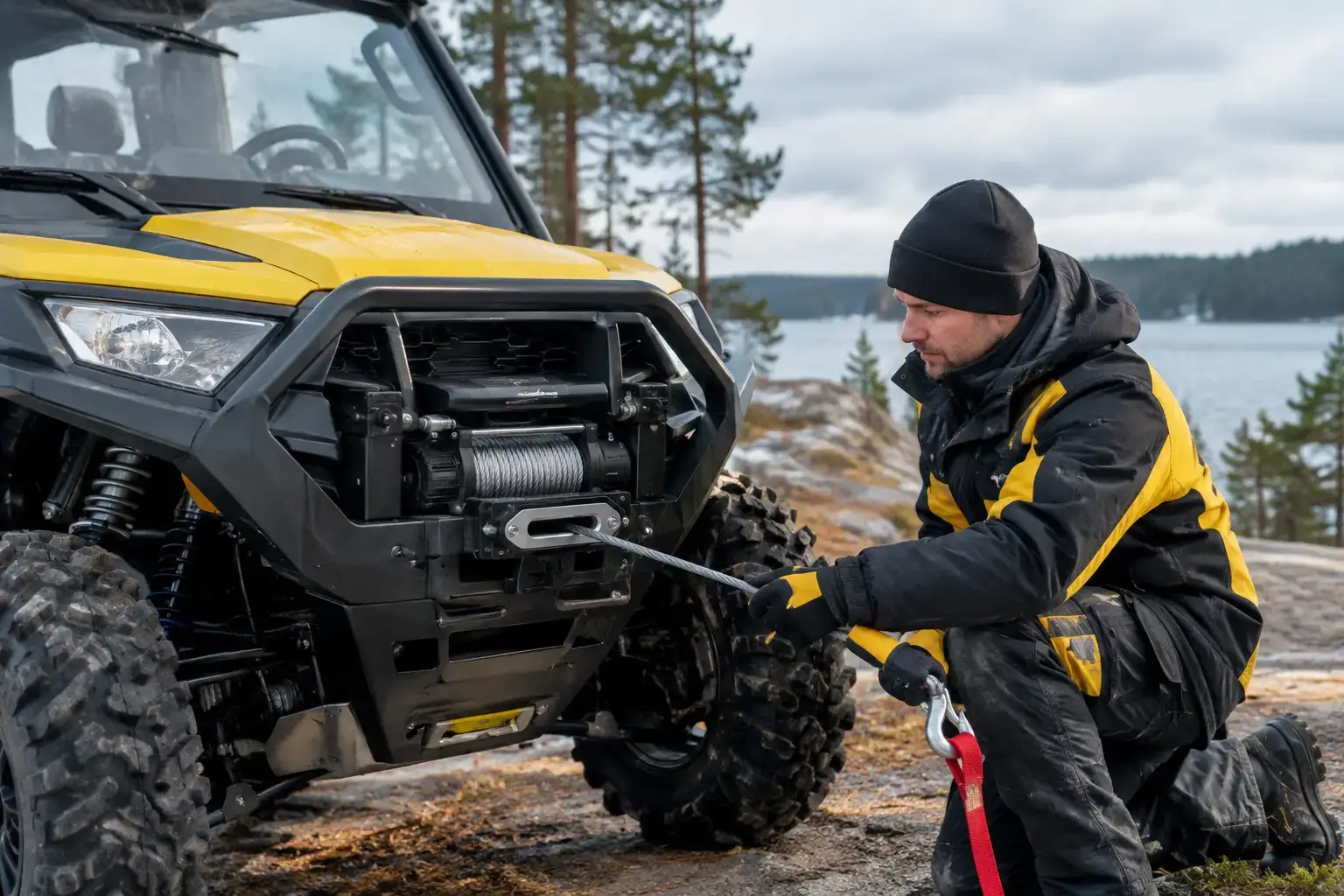
A utility vehicle is most useful when it keeps moving. That changes quickly when a UTV is buried in wet ground, hung on a snowbank, blocked by fallen timber, or needed to pull a loaded trailer into position. The best winches for utility vehicles give you a controlled way to recover, pull, position, and clear obstacles without relying on another vehicle.
Winch shopping is not about buying the highest capacity number on the box. A winch must match the vehicle, mounting system, battery capacity, rope type, and the work you actually do. For a hunting trail, a small property, a forestry track, or a worksite, the right setup saves time and reduces risk. The wrong one can overload the machine, drain the battery, or leave you without enough pulling power when conditions turn bad.
Best Winches for Utility Vehicles: Start With Capacity
A useful rule for UTVs is to select a winch rated at least 1.5 times the vehicle’s gross weight. That figure should include the machine, installed accessories, fuel, cargo, and passengers where relevant. If your utility vehicle weighs 1,400 pounds ready for work, a 3,500-pound winch is a sensible starting point. A heavier side-by-side carrying tools, feed, firewood, or a snowplow may justify a 4,500- or 5,000-pound model.
Recovery is rarely a clean, level pull. Mud creates suction, slopes add resistance, and snow can pack tightly under the chassis. A winch rating is measured on the first wrap of cable around the drum, where the winch has its greatest mechanical advantage. As more rope winds onto the drum, pulling power drops. That is one reason to choose capacity with a real safety margin instead of aiming for the minimum.
For lighter ATVs used for trail work, a 2,500- to 3,000-pound winch is often adequate. For working UTVs, 3,500 to 5,000 pounds covers most recovery and utility jobs. Larger ratings can be appropriate for heavy machines, frequent snowplow operation, or demanding property work, but the mount and electrical system must be able to support them.
Pulling a load is different from recovering a vehicle
A winch that can recover your UTV is not automatically the right tool for lifting, towing, or handling heavy loads over distance. Winches are designed for intermittent pulling, not continuous-duty hauling. Use a proper trailer winch, hoist, or purpose-built lifting equipment when the job calls for it.
For controlled pulling, a snatch block can double the line back to the vehicle or anchor point. This reduces line speed but increases mechanical advantage and can reduce strain on the winch. It is one of the most useful accessories for steep, difficult recoveries.
Choose a Mount That Can Take the Load
A quality winch is only as strong as its mounting plate. The mount should be designed specifically for your vehicle’s make and model, attaching to structural mounting points rather than thin bodywork, a brush guard, or an improvised bracket.
Front mounting is the standard choice because it supports self-recovery and clearing work directly ahead of the vehicle. A rear receiver-mounted winch can be valuable for pulling trailers, moving timber, or recovering backward. Some operators use both arrangements, but only if the vehicle has suitable rated mounting points and wiring protection.
Before buying, confirm the bolt pattern, fairlead opening, bumper clearance, and whether the winch will interfere with a plow mount, skid plate, radiator airflow, or front storage box. A compact winch that fits correctly is better than a larger unit that forces poor cable routing or awkward installation.
Steel Cable or Synthetic Rope?
Steel cable remains a practical choice for abrasive environments. It handles contact with rough ground, rocks, and timber well, and it is usually less expensive. It also requires disciplined handling. Steel cable can develop sharp broken strands, stores significant energy under load, and is heavier to manage in cold, wet conditions. Always wear gloves when handling it.
Synthetic rope is lighter, easier on hands, and safer to handle during recovery. It is especially popular on UTVs because it reduces weight at the front of the vehicle and is easier to spool carefully. The trade-off is abrasion and heat sensitivity. Synthetic rope needs a protective sleeve where it contacts rocks or tree bark, and it should be inspected after every hard pull.
For utility vehicles that spend time in forests, a synthetic rope setup with a quality aluminum hawse fairlead is often an excellent working combination. For frequent dragging over rough ground, steel cable may still make more sense. Either option needs a clean, smoothly operating fairlead and a properly fitted hook or closed recovery connection.
Electrical Power Matters in Cold Weather
Electric winches pull high current, especially near their rated capacity. A weak battery, loose terminal, corroded ground connection, or undersized cable can turn a simple recovery into a failure. Cold weather makes the problem worse because battery output falls as temperatures drop.
Use the supplied heavy-gauge power cables, route them away from moving parts and exhaust heat, and protect them from sharp edges. Keep battery terminals clean and tight. If your UTV has auxiliary lights, heaters, sprayers, or other electrical accessories, make sure the charging system can keep up with your usage.
Run the engine during winching whenever it is safe to do so. This helps the charging system support the battery, but it does not make the winch a continuous-use tool. Long, hard pulls should be broken into short intervals so the motor can cool. If the winch slows sharply or the cables become unusually hot, stop and investigate.
Controls, Braking, and Weather Protection
A wired remote gives reliable, direct control and is a strong choice for recovery work. Wireless control adds freedom to stand clear of the pull line and watch wheel placement, rope spooling, and anchor points. Many serious users benefit from having both: wireless convenience with a wired backup in the vehicle.
Look for a winch with an automatic load-holding brake, a weather-resistant solenoid or control box, and a free-spool clutch that can be operated with gloves. These details matter when working in rain, snow, mud, or freezing temperatures. A sealed or well-protected electrical system is worth prioritizing over cosmetic extras.
A roller fairlead is generally used with steel cable. A hawse fairlead is typically paired with synthetic rope. Matching these parts prevents unnecessary rope damage and helps the line feed cleanly onto the drum.
Recovery Gear Makes a Winch Useful
The winch itself is only part of the recovery system. Carry equipment that lets you create a safe anchor point and manage the pull properly. At minimum, a practical kit should include:
- A tree saver strap to protect the anchor tree and spread the load
- Rated soft shackles or bow shackles for secure connections
- A snatch block for redirected pulls and added pulling force
- A recovery damper for steel cable work
- Heavy gloves and a compact tool kit
Never wrap a winch rope directly around a tree, and do not connect the hook back onto the rope. Avoid using a tow ball as a recovery point. Keep people well away from the line and the recovery path, especially during a hard pull. If an anchor, shackle, cable, or mount fails under tension, it can cause severe injury.
What to Check Before Every Pull
Take a minute to assess the recovery. Set the vehicle’s parking brake if appropriate, select the right gear range, and remove excess load if doing so makes the recovery safer. Choose a straight pull where possible. If the line must pull at an angle, use a snatch block to redirect it rather than allowing rope to pile heavily on one side of the drum.
Pull out enough rope to leave at least five wraps on the drum. More rope on the drum means less available pulling force, but too little rope can allow it to detach from the drum. Lay a recovery damper over steel cable, keep the rope path clear, and use slow, steady throttle only when needed. Sudden jerks shock-load the winch, mount, rope, and anchor point.
After the job, rinse mud and grit from the rope or cable, inspect the hook and fairlead, and rewind the line neatly under light tension. This routine prevents the tangled, damaged spool that usually appears at the worst possible moment.
Buy for the Work You Expect Next
The right winch is not an accessory you install and forget. It is working equipment for getting a vehicle home, clearing a route, moving material, or keeping a property operating when weather and terrain push back. Match capacity to loaded vehicle weight, fit it with a vehicle-specific mount, and choose rope and recovery gear suited to your ground conditions.
A properly maintained winch gives a utility vehicle a wider working range. Before the next muddy trail, snowstorm, or forestry job, test the controls, inspect the line, and make sure the recovery kit is where you can reach it.
