







Blog
How to Prepare a Generator for Storage Safely

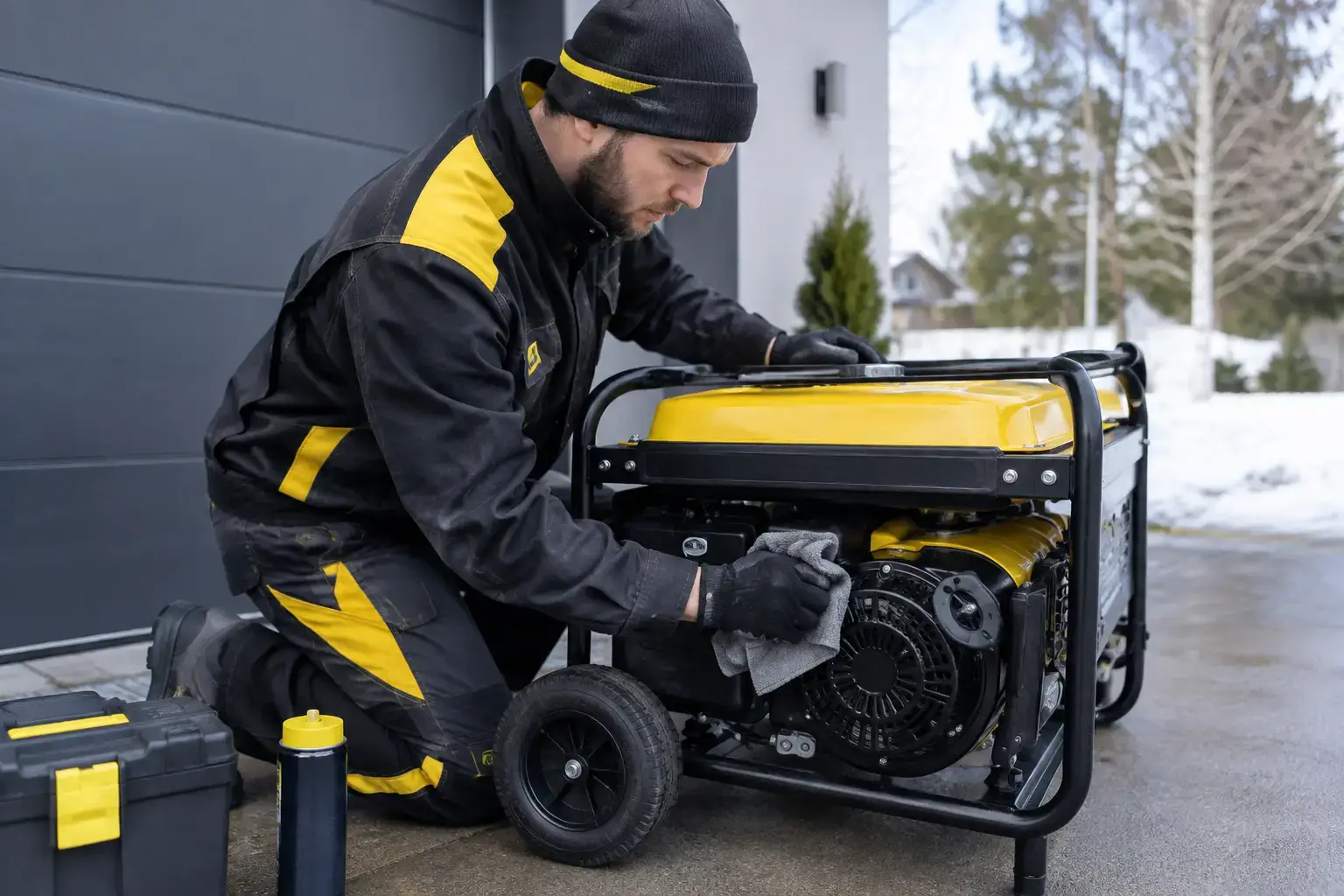
A generator that ran perfectly during the last outage can become a no-start problem after one quiet season in the shed. Old fuel gums up the carburetor, moisture attacks electrical connections, and a neglected battery loses charge when you need it most. To prepare a generator for storage properly, treat the final shutdown as part of the job – not an afterthought.
The right procedure depends on how long the generator will sit, its fuel type, and whether it has electric start. A portable inverter generator used a few weekends a year needs different attention than a dual-fuel backup unit kept ready for winter storms. Still, the goal is the same: protect the fuel system, engine, battery, and enclosure so the machine starts cleanly when power is needed.
Start With a Safe Shutdown
Let the generator run without a load for several minutes after disconnecting tools, appliances, or extension cords. This allows the engine and alternator to stabilize before shutdown. Turn the fuel valve off, if equipped, and let the engine stop according to the operating instructions. Then switch the engine control to OFF.
Do not begin maintenance while the engine, muffler, or exhaust guard is hot. Portable generators can hold enough heat to burn skin or ignite spilled fuel. Move the unit to a dry, well-ventilated work area, away from open flames, heaters, smoking materials, and anything that can produce a spark.
Once it has cooled, wipe away dirt, grass, sawdust, mud, and fuel residue. Pay close attention to the cooling air intakes and the area around the recoil starter. A clean generator runs cooler, and cleaning it before storage makes leaks, damaged wiring, or loose fasteners easier to spot.
Fuel Treatment Is the Storage Decision That Matters Most
Fuel is usually the reason a stored gasoline generator will not start. Modern gasoline deteriorates over time, especially when it contains ethanol. As it ages, it can leave varnish deposits in the carburetor jets and absorb moisture that leads to corrosion.
For storage longer than roughly 30 days, use fresh gasoline treated with a quality fuel stabilizer approved for small engines. Add the stabilizer at the correct ratio, then run the generator for several minutes so treated fuel reaches the carburetor, fuel lines, and injector system where applicable. Never assume that adding stabilizer to a full tank automatically protects fuel already sitting in the carburetor bowl.
There are two workable approaches after stabilization. The first is to store the generator with a full tank of treated fuel. A fuller tank leaves less air space for condensation, which can be useful in damp or cold storage conditions. This method is practical for a standby unit that may need to return to service soon.
The second approach is to drain the fuel tank and carburetor completely. This is often the better choice for seasonal equipment that will sit for several months with no expected use. Use the fuel shutoff valve and drain point if your generator has them, and collect gasoline in an approved fuel container. Do not pour old fuel onto the ground, into a drain, or into a fire pit.
The trade-off is simple: stabilized fuel supports quicker readiness, while a dry fuel system reduces the risk of stale fuel deposits during long storage. Follow the instructions for your specific engine, particularly if it has fuel injection or a sealed fuel system.
What About Dual-Fuel and Propane Generators?
If your generator runs on propane, close the propane cylinder valve first and allow the engine to use the fuel remaining in the line before shutting down. Disconnect the cylinder once the engine is cool, inspect the hose and regulator for cracking, and fit protective caps where provided.
Store propane cylinders upright outdoors or in an approved, well-ventilated location. Never store a propane cylinder in a living space, basement, vehicle, or enclosed shed. Even with a dual-fuel generator, gasoline components still need attention if gasoline was used during the season.
Change the Oil Before Long-Term Storage
Used engine oil carries combustion byproducts and contaminants that should not sit in the crankcase through a long storage period. Warm oil drains more completely, so change it after the generator has cooled enough to handle safely but while the oil is still slightly warm from operation.
Drain the oil into a suitable container, install the drain plug securely, and refill with the oil grade and amount specified for the engine. Check the level on level ground. Overfilling can cause smoke, fouled plugs, and difficult starting, while low oil can trigger low-oil shutdown protection or damage the engine.
For generators working in cold Baltic winters or exposed field conditions, use the viscosity recommended for the expected starting temperature. Oil that is too thick can make recoil starting hard and place extra load on an electric starter. Keep a note of the oil type and date of service with the generator so the next start is not a guessing game.
Protect the Battery and Electrical System
Electric-start generators need battery care even when the engine is not running. A battery left connected for months can slowly discharge, sulfate internally, and lose cranking power. Disconnect the negative battery cable first, then the positive cable if removal is required by the owner’s manual.
Store the battery in a clean, dry, frost-free location and keep it on a compatible smart maintainer when possible. A smart maintainer monitors charge and avoids the damage caused by a basic charger left on continuously. Before reconnecting the battery, clean the terminals and check that cables are tight and free from corrosion.
Inspect the generator’s outlets, circuit breakers, grounding point, and wiring for damage. Make sure outlet covers are closed and dry. Do not spray water directly into control panels or use a pressure washer on the generator. Water forced behind switches and connectors can create corrosion problems that do not appear until the next emergency.
Prepare a Generator for Storage in a Dry, Ventilated Place
Where you store the unit matters as much as what you put in the tank. Choose a level, dry location protected from rain, standing water, blowing snow, fertilizer, salt, and heavy dust. A locked garage, workshop, or equipment shed is usually suitable if it remains dry and has reasonable air circulation.
Never store a generator inside a home or in any space connected to living areas. The engine must never run indoors, and fuel vapors require careful handling even when the machine is switched off. Keep the generator away from water heaters, furnaces, welders, and other ignition sources.
Use a breathable generator cover rather than wrapping the machine tightly in plastic. A waterproof tarp can trap condensation against painted panels, electrical components, and steel hardware. If rodents are a concern, inspect the storage area and keep nesting materials away from the generator. Chewed wiring and blocked cooling passages can turn a simple startup into a repair job.
For generators stored on a concrete floor, placing the unit on a dry rubber mat or wooden platform can reduce exposure to floor moisture. This is especially useful in unheated buildings where temperature swings create condensation.
Check the Air Filter, Spark Plug, and Moving Parts
Remove the air filter cover and inspect the filter element. Replace a damaged paper filter and clean or replace foam elements according to the manual. Do not store the generator with a heavily clogged filter, since dirt can be pulled into the engine during the first startup.
On units scheduled for very long storage, inspect the spark plug and set the correct gap if service is due. A small amount of fogging oil may be appropriate for certain engines, but only use it as directed by the manufacturer. Too much oil in the cylinder can foul the plug and create smoke at startup.
Check wheel hardware, handles, vibration mounts, and frame bolts. Lightly lubricate exposed pivot points or wheel axles if needed, but keep lubricants away from belts, brake surfaces, electrical contacts, and the muffler. Replace worn recoil cords, cracked fuel lines, or damaged rubber feet before storage rather than waiting for the next outage.
Record What You Did and Plan the Return to Service
A service tag is a practical tool, not paperwork for its own sake. Write down the storage date, engine hours, oil type, fuel approach, battery status, and any parts that need replacement. Attach the note where it will be seen before the next use.
Every one to three months, inspect the stored generator for leaks, rodent activity, battery condition, and moisture. If you stored treated fuel for a standby application, run the generator outdoors under a light to moderate load at intervals recommended in its manual. This confirms that the engine, alternator, and outlets are still working, but it should not replace proper fuel and oil service.
When it is time to use the generator again, check the oil level, reconnect the battery, inspect the fuel, and test it outside before an emergency forces the issue. A few deliberate maintenance steps now keep your portable power ready for the job, the property, and the next hard-weather outage.
