







Blog
Generator Wattage Calculator for Backup Power

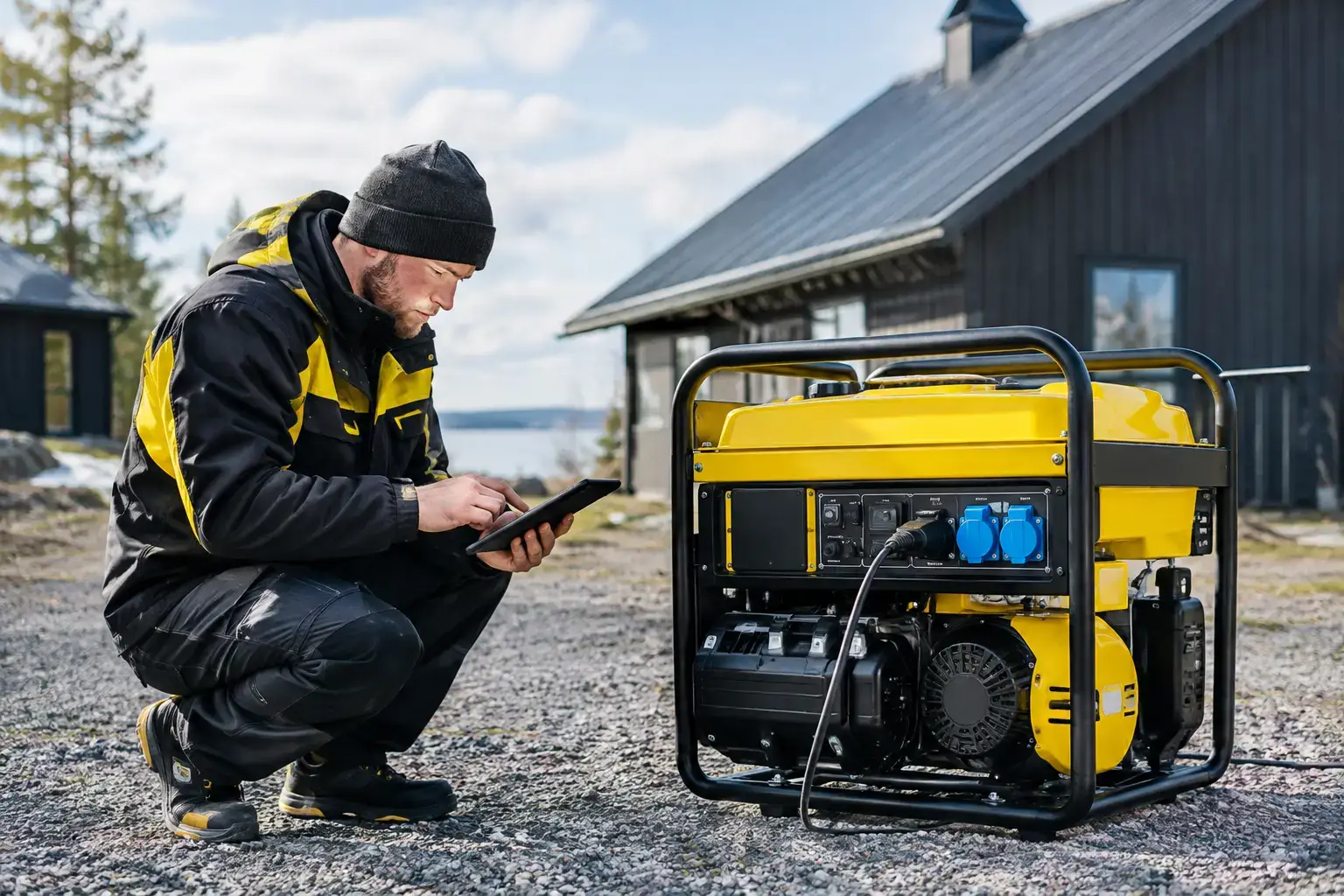
A generator that starts reliably is only useful if it can carry the load you connect to it. A generator wattage calculator gives you a practical starting point: add the appliances, tools, or systems you need running, allow for motor startup demand, then choose a generator with enough usable capacity left in reserve.
That last part matters. A generator sized exactly to the numbers on paper may trip its overload protection when a refrigerator compressor, well pump, or air compressor kicks on. For backup power, a workshop, a cabin, or field work, dependable output beats a close call every time.
What a generator wattage calculator should include
A proper calculation separates running watts from starting watts. Running watts are the power an item needs after it is operating. Starting watts, also called surge watts, are the short burst required by many motor-driven appliances and tools when they start.
Lights, phone chargers, televisions, routers, and electric heaters normally have little or no extra startup requirement. A refrigerator, freezer, sump pump, pressure washer, circular saw, compressor, and water pump are different. Their motors can draw several times their normal running power for a moment.
Your calculator should also account for what runs at the same time. You do not need to add every electrical item in a building if some will remain off during an outage. Instead, build a realistic operating plan. Keep essential circuits live, then decide which high-demand loads will be used one at a time.
For example, a home backup setup may need a refrigerator, freezer, boiler controls, circulation pump, lighting, internet equipment, and a sump pump. It may not need an electric oven, clothes dryer, sauna heater, or whole-house air conditioning. That difference can move your required generator size from a portable unit to a much larger machine.
How to calculate generator wattage correctly
Start by writing down every load you expect to power. Check the rating plate, owner’s manual, or manufacturer data for watts, amps, and voltage. If an appliance lists amps rather than watts, use this basic calculation:
Watts = volts × amps
At 120 volts, a tool drawing 10 amps uses approximately 1,200 watts. This gives a useful estimate, although some equipment has a power factor that can affect actual demand. For ordinary household planning, the listed wattage or the manufacturer’s stated generator requirement is usually the better figure.
Next, total the running watts for the loads that will operate together. Then add the highest startup wattage requirement among the motor-driven loads likely to start while the generator is carrying that running load. You usually do not add every motor’s surge wattage at once unless those motors will truly start simultaneously.
Here is a practical example for basic home backup:
- Refrigerator: 700 running watts, 2,100 starting watts
- Freezer: 500 running watts, 1,500 starting watts
- Sump pump: 800 running watts, 2,400 starting watts
- Boiler and circulation pump: 400 running watts
- Lights, router, and charging: 300 running watts
The normal running total is 2,700 watts. If the sump pump starts while everything else is running, the total can briefly reach 4,300 watts because its 2,400-watt startup draw replaces its 800-watt running draw. A generator with 5,000 to 6,000 running watts gives useful breathing room, rather than operating at the edge of its capacity.
The same approach applies on a jobsite. Add the loads that will run together, then plan around the tool with the largest startup draw. A 1,800-watt circular saw and a 1,500-watt compressor may each be manageable on the same generator, but not if the compressor starts while several heaters and battery chargers are already running.
Do not confuse running watts with peak watts
Generator specifications commonly show two output figures: running watts and starting watts. The running rating is the continuous power the generator can supply. The starting or maximum rating is the temporary surge capacity available for motor startup.
Choose based primarily on running watts. A generator advertised with 5,500 starting watts but 4,500 running watts is a 4,500-watt continuous-power machine. It can help start a higher-demand load, but it should not be expected to carry 5,500 watts all day.
For reliable operation, aim to keep regular demand below roughly 70 to 80 percent of the generator’s rated running output. This reserve helps the engine respond to changing loads, gives motors a better chance of starting, and reduces the chance of nuisance overloads. It also leaves room for a tool or appliance you forgot to include in the first calculation.
Common loads and the numbers that change the result
A generator wattage calculator is only as accurate as the equipment list behind it. Refrigerators and freezers are often modest running loads, but their startup draw can be significant. Pumps are even more critical. A small well pump, drainage pump, or pressure pump may have a startup demand that determines the generator size for the whole setup.
Electric heat changes the picture quickly. Space heaters often draw 1,500 watts each continuously. A kettle, microwave, induction cooktop, toaster, and coffee maker can each add substantial demand. These are manageable loads when used one at a time, but they are poor choices to stack onto a small backup generator already running pumps and refrigeration.
Power tools also need a closer look than their box label alone. Battery chargers are usually easy loads. Corded saws, grinders, compressors, welders, and concrete mixers can demand far more at startup or under hard use. If your work depends on a compressor or pump, check its motor data directly instead of relying on a generic wattage chart.
Inverter, conventional, and dual-fuel generator choices
Once you know the required wattage, the way you use the power matters just as much. Inverter generators are a strong fit for electronics, camping, mobile work, and lighter household backup. They typically provide stable power for sensitive devices, run quietly at lower loads, and are easier to transport. Parallel-capable inverter models can also let you combine two units when you need extra output without handling one large generator every day.
Conventional open-frame generators are often the practical answer for higher-demand tools, pumps, and larger backup loads. They offer strong output for the money and suit demanding work where portability still matters. Noise level, fuel use, and storage space should be considered before choosing this route.
Dual-fuel generators add flexibility. Gasoline is widely available and familiar, while propane can be easier to store for long-term emergency preparation. Output can vary slightly by fuel type, so perform your generator wattage calculator estimate using the rated output for the fuel you expect to use most often.
Cold weather deserves attention as well. Use fresh fuel, maintain the correct oil level and viscosity, keep the battery charged on electric-start models, and test the generator before the first storm. A unit that has been stored for months without preparation is not a backup plan.
Protect the generator and the equipment connected to it
Correct sizing does not replace safe operation. Run portable generators outdoors only, well away from doors, windows, vents, and enclosed work areas. Carbon monoxide is odorless and dangerous. Never operate a generator in a garage, shed, basement, or under an enclosed canopy.
Use heavy-duty extension cords rated for the load and length required. Undersized cords create voltage drop, heat, and poor tool performance. For home backup through a panel, use a correctly installed transfer switch or interlock installed by a qualified electrician. Never feed power into a building through a wall outlet. That practice can injure utility workers and damage equipment.
Load management is also part of protection. Start the generator with major loads disconnected, let it stabilize, then connect equipment one at a time. Start high-surge motors individually where possible. If overload protection trips, reduce the load before resetting it instead of treating the trip as a fault to bypass.
A wattage calculation turns generator shopping into a clear operational decision. Build the numbers around the loads you truly need, leave reserve capacity for startup demand, and choose equipment that will still perform when the weather is bad and the work cannot wait.