







Blog
Generator Cold Start: Get Reliable Winter Power

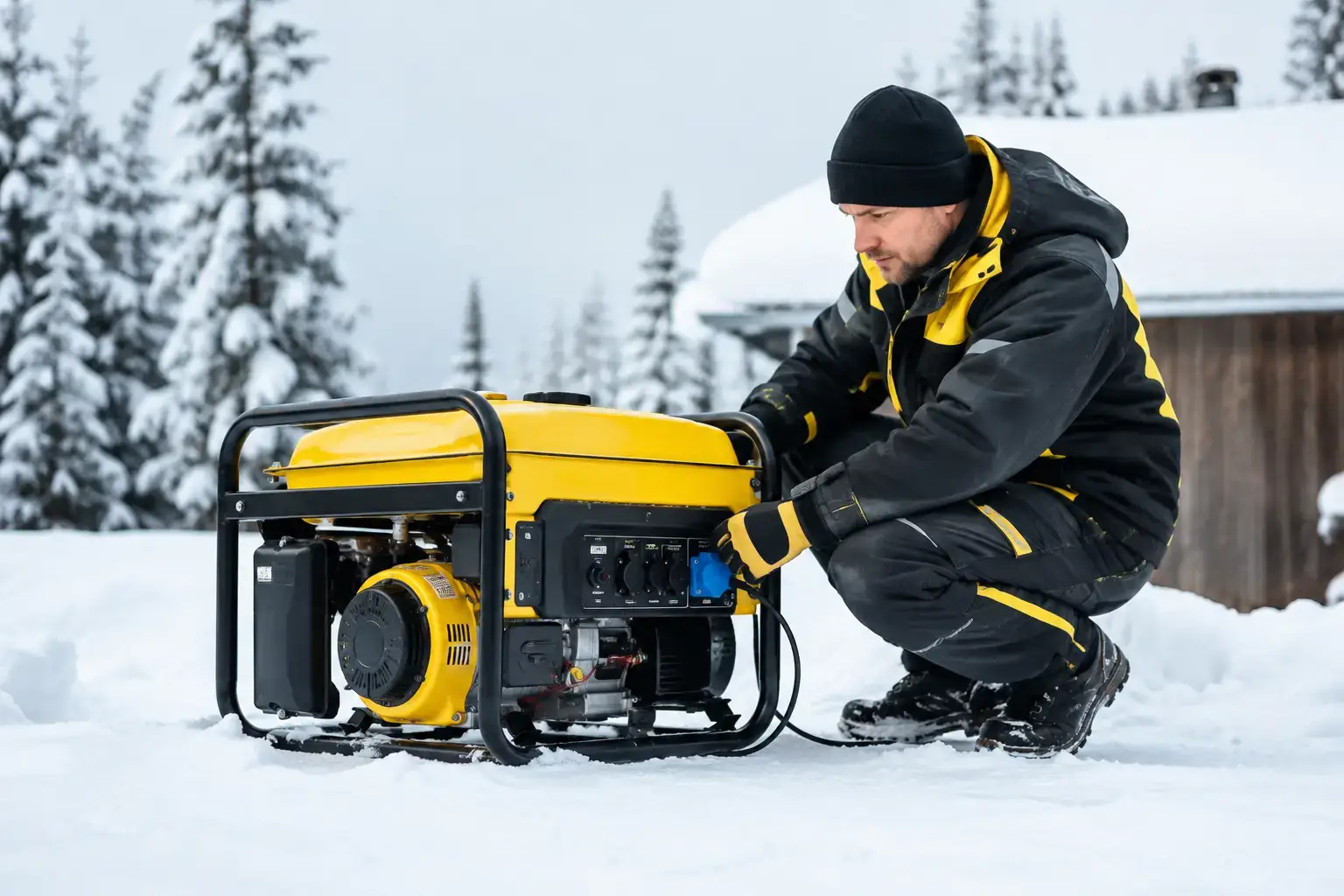
A generator that ran perfectly in October can refuse to start on the first hard-freeze morning. The usual culprit is not one failed part. Generator cold start trouble often comes from a combination of thick oil, stale fuel, weak battery charge, moisture, and a startup routine that does not match the temperature.
For a home backup unit, workshop generator, or portable power source carried into the field, cold-weather readiness is part of ownership. A few checks before winter can mean the difference between having power during an outage and pulling a recoil cord until your hands go numb.
What Makes a Generator Cold Start Difficult?
Gasoline engines need the right mix of fuel, air, spark, compression, and cranking speed. Cold weather interferes with several of those requirements at once. Engine oil becomes thicker, so the starter or recoil system must work harder to turn the crankshaft. Fuel vaporizes less readily, making ignition harder. A battery loses available starting power as temperatures fall, while condensation can affect electrical connections and fuel systems.
Small portable generators are especially sensitive because their engines have limited battery capacity or rely entirely on manual recoil starting. A larger electric-start model may crank the engine more easily, but only if its starting battery is charged and maintained.
The temperature where problems begin depends on the generator, oil grade, fuel condition, storage method, and overall maintenance. A properly serviced unit can often start reliably below freezing. A neglected one may struggle well before temperatures reach 32°F.
Generator Cold Start Preparation Starts Before Winter
The best time to prepare a generator is before an emergency. Run it under a light electrical load every month or according to the owner’s manual. This confirms that the engine starts, the alternator produces power, and the fuel system is working before you depend on it.
Fresh fuel matters. Gasoline that has sat for months can lose volatility and leave deposits in the carburetor. Those deposits restrict the small passages needed for cold enrichment, creating one of the most common no-start conditions. Use fresh, clean fuel from a reliable source and add a fuel stabilizer when fuel will be stored in the tank for an extended period.
There are two sound approaches for seasonal storage, depending on the manufacturer instructions. Keep treated fuel in the system and run the generator regularly, or drain the fuel system for longer storage. What causes trouble is leaving untreated fuel in a generator all season and assuming it will be ready when the next outage arrives.
Check the oil level before every cold-weather start. Do not simply fill the engine with the heaviest oil available. Oil viscosity must match the operating temperature range specified for that engine. Many portable generators use multi-viscosity engine oil for broader seasonal performance, but the correct grade is listed in the manual. Oil that is too thick can make recoil starting difficult and overload an electric starter.
For electric-start generators, inspect the battery terminals for corrosion and make sure the battery is fully charged. A maintenance charger can be useful for equipment stored in an unheated shed or garage, provided it is compatible with the battery type. Do not wait for the first outage to discover a flat starting battery.
How to Start a Cold Generator Correctly
Start outdoors on stable, dry ground, well away from doors, windows, vents, and enclosed work areas. Carbon monoxide is odorless and dangerous. Never run a generator in a garage, basement, trailer, tent, or other enclosed space, even if doors are open.
Before starting, disconnect all electrical loads. Starting an engine with tools, heaters, pumps, or appliances already connected adds resistance at the moment the engine needs its easiest possible start. Check that the fuel valve is open, the engine switch is set to ON, and the fuel level is adequate.
For a cold gasoline engine, use the choke as directed by the manufacturer. The choke restricts intake air and enriches the mixture, helping cold fuel ignite. With a manual-start generator, pull the recoil starter smoothly until you feel resistance, then use a firm full pull. Repeated short, hesitant pulls rarely build enough speed for a clean start.
Once the engine fires, let it run briefly before gradually moving the choke toward RUN. Opening the choke too soon can make the engine stall. Leaving it fully choked too long can cause rough running, excess fuel use, and spark plug fouling. The right moment is when the engine can run steadily without the extra-rich mixture.
Electric-start models follow the same basic sequence. Use the choke when required, then crank in short attempts rather than holding the starter continuously. If it does not start after several attempts, pause before trying again. Continuous cranking can overheat the starter and drain the battery without solving the underlying fuel or ignition issue.
Allow the generator to warm for a few minutes before applying a heavy load. This gives the engine oil time to circulate and lets the engine stabilize. Start with essential loads, then add equipment gradually. High-draw tools, pumps, compressors, and electric heaters can create a major surge demand, especially in cold conditions.
Cold-Weather Problems That Need Attention
If the generator will not start, avoid random adjustments. Work through the likely causes in order. First confirm that there is fresh fuel, the fuel valve is open, the engine switch is on, and the choke is set correctly. These simple checks resolve more issues than most owners expect.
If the recoil starter is unusually hard to pull, stop forcing it. Check the oil grade and level, and make sure the generator has not been stored where water or ice can enter the engine or recoil housing. Excess oil can also create starting resistance, so fill only to the correct mark on level ground.
If an electric starter clicks or cranks slowly, charge and test the battery. Clean, tight terminals are necessary, but a battery that has lost capacity in the cold may still need replacement. Keep the recoil starter functional as a backup where the model provides one.
A generator that starts but dies after a few seconds may have a choke setting issue, contaminated fuel, water in the fuel system, or a restricted carburetor. Fuel-system cleaning and carburetor service may be needed if stale fuel has been left in the machine. Replacing the spark plug may also be sensible during routine service, especially if the old plug is fouled or worn.
Do not use open flames, improvised heaters, or flammable starting aids around a generator. These shortcuts create fire risk and can damage the engine. If conditions are extremely cold, move the generator to a protected outdoor location before starting, while maintaining full ventilation and safe clearance from buildings. A purpose-built generator cover can protect stored equipment, but it is not a substitute for safe operating clearance or ventilation.
Fuel Choice and Cold-Start Trade-Offs
Dual-fuel generators give owners useful flexibility, but fuel behavior changes with temperature. Gasoline generally offers strong cold-weather starting when it is fresh and the fuel system is maintained. Propane stores cleanly and does not degrade like gasoline, which makes it attractive for backup use. However, propane pressure drops as temperatures fall, and a small cylinder can vaporize fuel poorly in severe cold or under heavy load.
That does not make one fuel right for every job. For a generator that may sit unused for months, propane can reduce carburetor-related storage problems. For long winter runtime and dependable performance in very low temperatures, gasoline may be the more practical choice when managed correctly. Consider the expected temperature, fuel storage plan, generator capacity, and how long the unit may need to run.
Inverter generators are often easier to live with for home and recreational use because they are compact, fuel-efficient at lighter loads, and suitable for sensitive electronics. Conventional open-frame generators may offer more wattage for pumps, jobsite tools, or larger backup demands. Neither design eliminates the need for cold-start maintenance.
Build a Winter-Ready Generator Kit
Keep the essentials with the generator rather than scattered around the workshop. A practical kit includes the correct engine oil, a funnel, a spare spark plug, basic hand tools, approved fuel treatment, a battery maintainer if applicable, and the owner’s manual. Add properly rated extension cords for outdoor generator use. Damaged or undersized cords waste power, overheat, and create a safety risk.
For home backup, also write down the starting and running wattage of the equipment you expect to use. A refrigerator, well pump, furnace blower, sump pump, and power tools do not all demand the same power at startup. Knowing the load plan prevents overload trips when the generator is already working hard in the cold.
A generator earns its place by starting when conditions are bad, not when the weather is easy. Give it fresh fuel, correct oil, a healthy battery, and a monthly test run, and it will be far more likely to deliver power when you need it most.