








Blog
Inverter Generator Reviews That Help You Buy

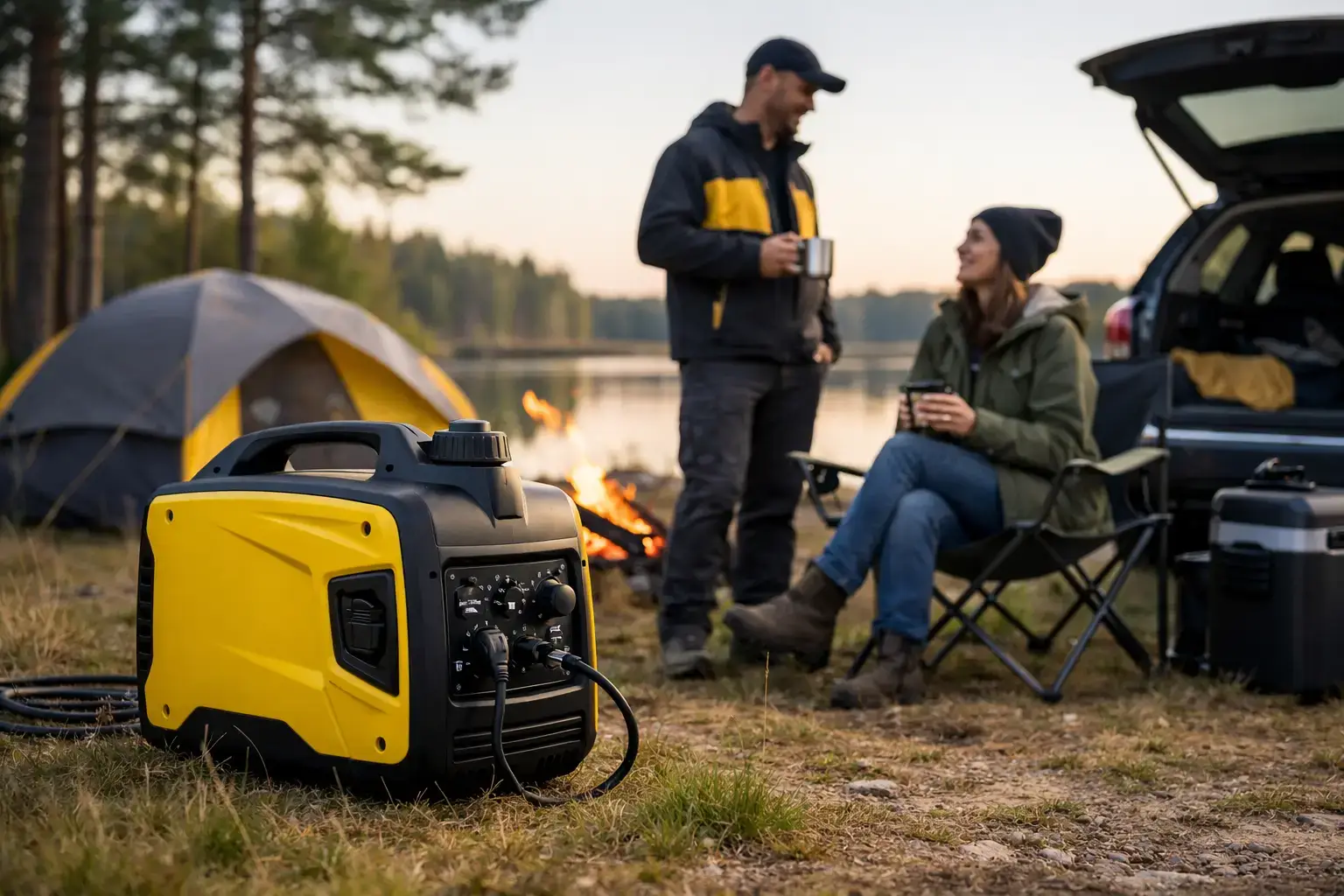
A generator that starts easily in a driveway test can still be the wrong machine for a remote cabin, a service van, or a home outage. The inverter generator reviews worth reading do more than repeat a wattage figure or call a unit quiet. They show whether the generator can carry a real load, how long it runs, what it weighs when you have to move it, and which protections are fitted when conditions turn cold, wet, or demanding.
For homeowners, landowners, tradespeople, and field users, an inverter generator is often the practical choice when clean, portable electricity matters. But not every inverter model is built for the same job. A compact unit for charging tools and running a small refrigerator has different priorities than a larger machine intended to support a boiler, sump pump, freezer, and essential lights during a power outage.
What Inverter Generator Reviews Should Actually Tell You
A useful review starts with the job, not the product name. Ask what needs power, whether those appliances have startup surges, how long the generator must run between refueling, and whether you will transport it alone. Those answers matter more than a long features list.
Inverter generators convert engine power into stable AC electricity through electronic control. This generally produces cleaner power than a basic conventional generator, which is valuable for laptops, battery chargers, modern TVs, routers, and electronically controlled appliances. It also allows the engine to adjust speed to demand, helping reduce fuel use and noise when the load is light.
That does not mean every inverter generator is silent, tiny, or suitable for sensitive equipment without thought. Noise figures are usually measured at a specified distance and load. A generator may be pleasantly quiet while charging batteries, then become much more noticeable when a pump, heater, or compressor starts. Reviews should state the conditions behind the number whenever possible.
The same rule applies to runtime. A claim of eight or ten hours may be based on a quarter load. If you expect to run a refrigerator, lighting, a circulation pump, and occasional power tools, your actual consumption will be higher. Review figures are useful, but your own load calculation decides whether they apply.
Start With Running Watts and Starting Watts
The most common buying mistake is selecting a generator by its maximum output alone. Starting watts and running watts serve different purposes. Running watts are the continuous power a generator can supply. Starting watts cover the brief extra demand from motors in equipment such as refrigerators, freezers, pumps, air compressors, and some power tools.
A refrigerator may only need modest power once running, but its compressor can pull a higher surge at startup. A well pump can need considerably more. If several motor-driven appliances start at the same time, a small generator may overload even though the combined running load appears acceptable on paper.
Before relying on any review, make a simple load plan. List the equipment you genuinely need, note each item’s running and starting demand, and identify what may operate together. Leave headroom rather than sizing to the exact limit. Around 20 to 30 percent spare capacity gives the generator room to handle changing loads and reduces the chance that one starting surge stops everything.
For light mobile use, a compact inverter generator can cover chargers, LED lighting, communication equipment, and small tools. For outage backup, the right answer depends on whether you are protecting a few essentials or supporting major household systems. Electric space heating, electric cooking, and whole-home central air require far more capacity than most portable inverter generators can reasonably provide.
Do Not Confuse Peak Output With Continuous Output
Peak output is not a promise that the generator can run at that level all day. It is a short-duration capability used to handle startup demand. When comparing models, place continuous rated watts first, then consider peak watts as the margin for motor starts.
A review that only highlights the biggest number is incomplete. The better question is: what can this generator carry for hours without being pushed to its limit?
Noise and Portability Are Working Features
Quiet operation is not just a comfort feature. It matters when a generator is used near a home, campsite, mobile workshop, or neighboring properties. Enclosed inverter generators are typically less intrusive than open-frame units, especially at low and medium loads. They are often the better choice when overnight use is likely.
The trade-off is that sound insulation, an enclosure, and inverter electronics can increase price and affect service access. A larger quiet inverter unit can also be heavy. Wheels and a folding handle help on level ground, but they do not make a 200-pound machine easy to lift into a vehicle or pull through mud, snow, or forest terrain.
Read reviews with transport in mind. Look for dry weight, wheel size, handle design, lifting points, and the unit’s physical dimensions. If you will carry the generator up steps, load it into a pickup, or move it alone, a smaller model may be the more dependable choice simply because it will get used when needed.
Fuel Choice Changes the Ownership Experience
Gasoline remains common because it is widely available and gives strong output for the generator’s size. However, gasoline storage requires discipline. Old fuel is a frequent cause of hard starts and rough running, especially after a generator has sat unused between emergencies. Use fresh fuel, follow the manufacturer’s storage guidance, and run the machine regularly.
Dual-fuel inverter generators add flexibility by allowing gasoline and propane operation. Propane stores longer and can be a sensible backup fuel for seasonal emergency planning. It may produce slightly less available output than gasoline, so check the rated specifications for both fuels before assuming identical performance.
Fuel availability is only one part of the decision. Consider where you can safely store fuel, how often the generator will be used, and whether you need it for short mobile jobs or extended backup duty. For some owners, the convenience of a compact gasoline inverter generator wins. For others, dual-fuel capability provides useful resilience when a power outage lasts longer than expected.
Safety Features Are Not Optional Extras
A generator belongs outdoors, well away from doors, windows, vents, and enclosed spaces. Carbon monoxide is odorless and can be deadly. Never operate a portable generator in a garage, shed, basement, vehicle compartment, or under an enclosed patio, even if doors are open.
When comparing inverter generator reviews, check whether the model includes carbon monoxide shutoff, low-oil shutdown, overload protection, circuit breakers, and a properly protected outlet layout. These features do not replace safe placement and correct operating habits, but they provide useful layers of protection.
For home backup, never connect a portable generator directly to household wiring through an outlet. A correctly installed transfer switch or approved interlock arrangement is required to prevent dangerous backfeeding into utility lines. If the setup will power fixed circuits, use a qualified electrician.
Also check the intended outlet types. Standard household outlets are useful for extension-cord operation. A higher-capacity outlet may be necessary for a transfer switch connection or heavier equipment. USB ports are convenient for small devices, but they should not distract from the generator’s main electrical capacity and safety equipment.
Cold Weather Reveals Weak Preparation
Northern conditions add a practical test that glossy specifications cannot fully answer. Cold can make engines harder to start, thicken oil, reduce battery performance on electric-start units, and expose fuel problems. A generator selected for emergency use should be started and loaded before winter, not discovered for the first time during a storm.
Choose the oil grade recommended for expected temperatures, maintain the spark plug and air filter, and keep fuel fresh. Store the machine where it remains dry and accessible, while still operating it outdoors only. Keep a suitable extension cord, fuel supply, funnel, spare oil, and basic maintenance items with the generator rather than searching for them during an outage.
Champion Baltics focuses on work-ready power equipment because a generator is only valuable when it starts, carries the load, and can be maintained over time. Access to correct oil, accessories, and replacement parts is part of buying for the long haul, not an afterthought once the warranty period is over.
How to Read Reviews Without Getting Misled
Strong reviews describe a specific use case. A homeowner running a freezer and router, a contractor using battery chargers and saws, and a camper charging electronics may all rate the same machine differently for good reasons. Look for details about the load used, fuel consumption, starting behavior, and how the generator was moved or stored.
Be cautious with vague praise such as “powerful” or “quiet” without context. A more useful comment says the generator ran a refrigerator and furnace blower for six hours, or that it handled a particular tool but tripped when another motor started. Specific limitations are often more valuable than five-star enthusiasm.
Pay attention to ownership issues that appear after months of use: routine servicing, fuel-system care, recoil-start effort, battery condition, and availability of consumables. No portable generator is maintenance-free. The better machine is the one matched to your actual demands and supported by habits you will realistically maintain.
Choose for the Load You Cannot Lose
The right inverter generator is rarely the largest model on the page or the cheapest one with an impressive peak-watt figure. It is the unit that can safely run the equipment you cannot do without, move where you need it, and start reliably after sitting ready for the next callout, storm, or weekend off-grid.
Read the specifications, use inverter generator reviews as real-world evidence, and build in capacity for the hard moments rather than the easy ones. When the lights go out or work has to continue, readiness is measured in dependable power, not promises.
