







Blog
8 Dual Fuel Generator Safety Rules That Matter

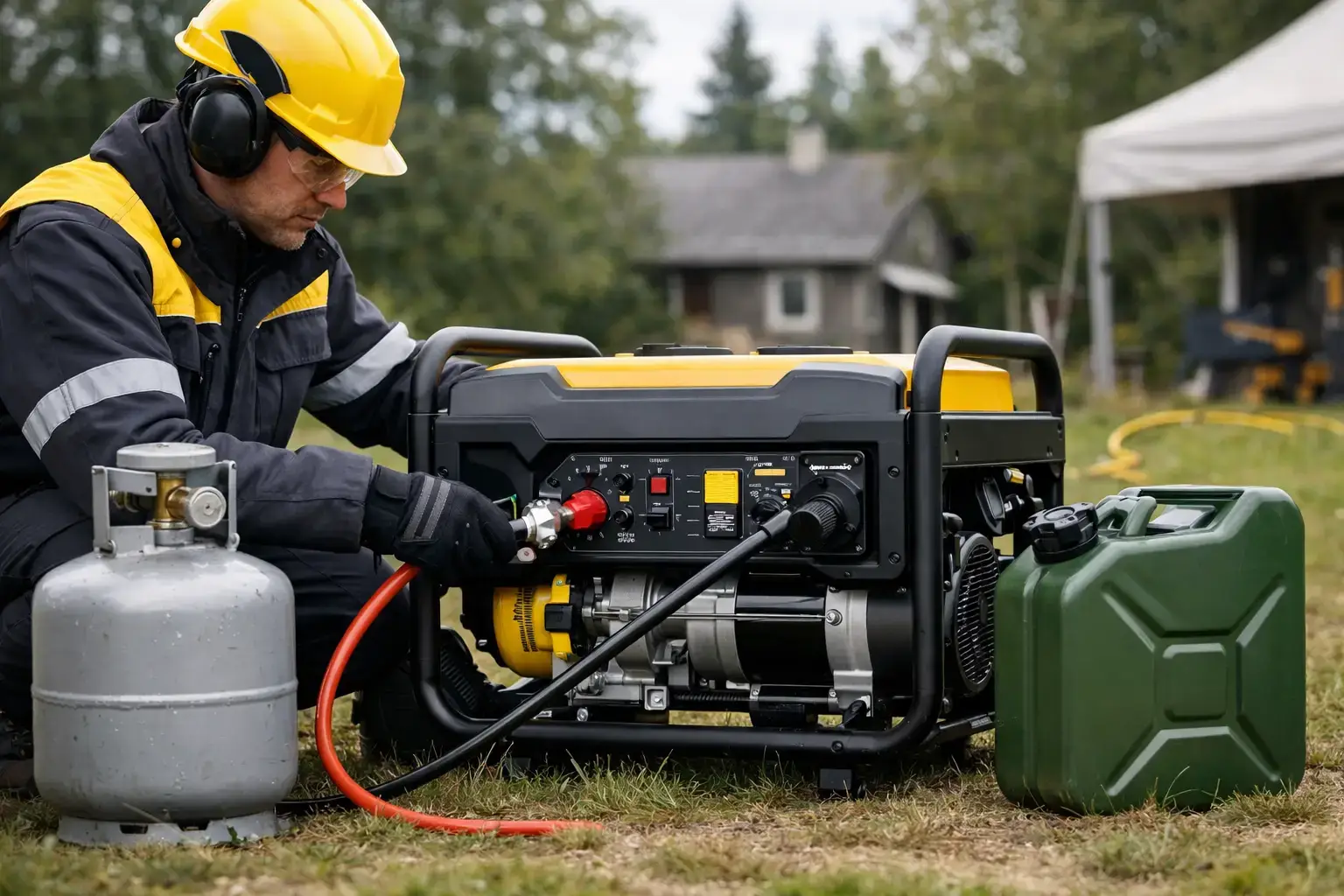
A generator can keep a freezer cold, a well pump running, or a jobsite productive when the grid is down. But dual fuel generator safety is not just about pressing the start button. You are handling combustion, electricity, gasoline, and propane in one piece of equipment. Set it up properly, and it is reliable backup power. Cut corners, and a useful machine can create a serious fire, shock, or carbon monoxide hazard.
Dual fuel models give you a practical advantage: run on gasoline when fuel is readily available, or connect propane for cleaner storage and extended preparedness. That flexibility only pays off when you understand how each fuel behaves and follow the generator manufacturer’s operating instructions.
1. Run the Generator Outside, Far From Openings
Carbon monoxide is the first risk to control. Generator exhaust contains this colorless, odorless gas, and it can build up fast enough to injure or kill people before they recognize a problem. Never run a dual fuel generator in a house, garage, shed, basement, workshop, tent, vehicle, or enclosed trailer.
Place the unit outdoors on firm, level ground, with exhaust directed away from doors, windows, crawlspace vents, attic vents, and air intakes. A garage with the door open is still not a safe operating location. Exhaust can collect inside and drift into the home.
Give the generator room to breathe. Do not box it in with tarps, plywood, or snowbanks to make it quieter or protect it from weather. If rain or snow is expected, use a purpose-built, open-sided generator cover that preserves ventilation and keeps the exhaust path clear. Check the exhaust outlet during freezing conditions, since packed snow or ice can restrict flow.
Every home using portable backup power should have working carbon monoxide alarms inside, particularly near sleeping areas. Test them before storm season, not after the generator is already running.
2. Choose the Fuel Before You Start
A dual fuel generator is designed to run on gasoline or propane, but it does not treat both fuels the same way. Gasoline usually delivers the generator’s highest rated output. Propane can be easier to store for long periods and does not degrade in the carburetor like untreated gasoline, but it may provide slightly less maximum wattage.
That difference matters when you are near the generator’s capacity. A unit that handles a pump, refrigerator, and lights on gasoline may have less headroom on propane when the pump starts. Check both running watts and starting watts for the fuel you plan to use.
Use fresh, correct gasoline and the propane cylinder size and connection type specified for the generator. Do not improvise fittings, use damaged hoses, or connect a cylinder with a valve, regulator, or seal that looks worn. Fuel flexibility is a benefit, not permission to mix components from unrelated equipment.
3. Inspect the Propane Connection for Leaks
Propane is stored under pressure. A loose fitting or damaged hose can release gas that may ignite from a spark, pilot flame, cigarette, or hot engine component. Before every propane run, inspect the cylinder, hose, regulator, and connector.
Keep the cylinder upright on stable ground. Never lay it on its side, place it near the muffler, or leave it where it can be struck by a vehicle, wood splitter, or moving equipment. Keep it clear of direct heat and never store propane cylinders indoors.
After connecting the cylinder, open the valve slowly. Use a leak-detection solution or soapy water on the connection points. Bubbles that continue to grow indicate a leak. Close the valve, disconnect the cylinder, and correct the issue before starting the engine. Never check for propane leaks with a lighter or match.
If you smell propane, shut off the cylinder valve if it is safe to do so, move away from the area, and keep ignition sources away. Do not start the generator until the leak has been found and repaired.
4. Refuel Gasoline Only With the Engine Off and Cool
Gasoline vapors ignite easily. Refueling a hot generator is one of the fastest ways to turn routine maintenance into a fire. Shut the engine down, let it cool fully, and move fuel containers away from the work area before filling the tank.
Refuel outdoors, away from flames, smoking, battery chargers, and other equipment that could spark. Use an approved gasoline container and avoid overfilling the tank. Fuel expands as it warms, so leave the space required by the tank design.
Wipe up every spill before restarting. If gasoline gets on clothing, change it before operating equipment. Store gasoline in approved containers away from living spaces and ignition sources. For equipment that may sit between outages, use fuel stabilizer as directed and follow the maintenance schedule for draining or refreshing fuel.
5. Keep Electricity Dry and Properly Connected
A generator produces enough power to cause severe shock or start a fire when cords, connections, or loads are wrong. Keep the unit dry, keep your hands dry, and never operate it in standing water. Wet grass alone is not automatically a problem, but rain-soaked plugs, damaged insulation, and puddles around electrical equipment are not acceptable.
Use heavy-duty outdoor-rated extension cords sized for the distance and load. A cord that is too light for the amperage can overheat, waste voltage, and damage motors or electronics. Uncoil extension cords fully when carrying significant loads so heat does not build up in tightly wound cable.
Inspect cords before use. Replace any cord with cracked insulation, bent blades, loose outlets, or signs of heat damage. Keep connections off wet ground and protect them from rain without sealing them into an unventilated container.
For home backup power, do not plug a generator into a wall outlet. This dangerous practice, often called backfeeding, can energize utility lines and threaten utility crews, neighbors, and your equipment. A correctly installed transfer switch or interlock, fitted by a qualified electrician, is the proper way to power selected household circuits.
6. Manage the Load Before It Manages You
Starting watts are often the trouble point. Motors in refrigerators, sump pumps, well pumps, compressors, and power tools draw more power for a short time when starting than when running. If several motor-driven appliances start at once, the generator can overload even though the normal running total appears acceptable.
Start large loads one at a time. Let each motor stabilize before adding the next appliance or tool. Keep a practical wattage plan with the generator so anyone in the household or crew knows what can run together.
Avoid operating continuously at the unit’s maximum rated output. Leaving capacity in reserve improves stability and gives the generator room for motor starts. If breakers trip, reduce the load before resetting them. A tripped breaker is a warning, not an inconvenience to override.
Sensitive electronics also deserve attention. An inverter generator generally provides cleaner, more stable power for laptops, battery chargers, communication equipment, and modern appliances. Regardless of generator type, use surge protection where appropriate and avoid plugging critical electronics into questionable cords or wet connections.
7. Follow the Correct Fuel Changeover and Shutdown Process
Do not switch fuels by guesswork while the engine is running. Follow the instructions for your specific model. Some dual fuel generators allow a controlled selector change, while others require shutting down, closing a fuel supply, or letting the engine use fuel remaining in the carburetor.
When shutting down after gasoline operation, follow the manufacturer procedure for fuel shutoff if your model provides one. This can reduce stale fuel problems in the carburetor during storage. When shutting down propane operation, close the cylinder valve and follow the recommended run-out or engine-stop sequence.
Before storage or transport, allow the generator to cool. Disconnect the propane cylinder, fit protective caps where supplied, and secure all fuel containers separately. Never transport a generator in a closed vehicle while it is hot or with fuel spilled on its frame.
8. Make Inspection Part of Every Run
A generator that starts easily is not automatically ready for hard work. Before operation, check engine oil, air intake condition, fuel lines, propane hose condition, fasteners, wheels, and the exhaust system. Look for vibration damage, corrosion, loose guards, or anything rubbing against a hot surface.
Keep up with oil changes, spark plug service, air filter cleaning, and fuel-system maintenance at the intervals listed in the owner’s manual. In cold conditions, use the recommended oil grade and clear snow from the recoil starter, cooling vents, and working area. A generator that is maintained before an outage is far more useful than one discovered with old fuel and low oil after the lights go out.
Champion Baltics customers often use portable power where repair access is limited: rural properties, mobile work areas, forest sites, and emergency home backup setups. In those conditions, carrying the correct oil, a spare spark plug, approved fuel containers, and properly rated cords is practical preparation, not overkill.
A dual fuel generator gives you options when power matters most. Treat fuel, exhaust, and electrical connections with the same respect you would give any working machine, and it will be ready to carry the load when you need it.
