







Blog
Why Does a Generator Surge? Causes and Fixes

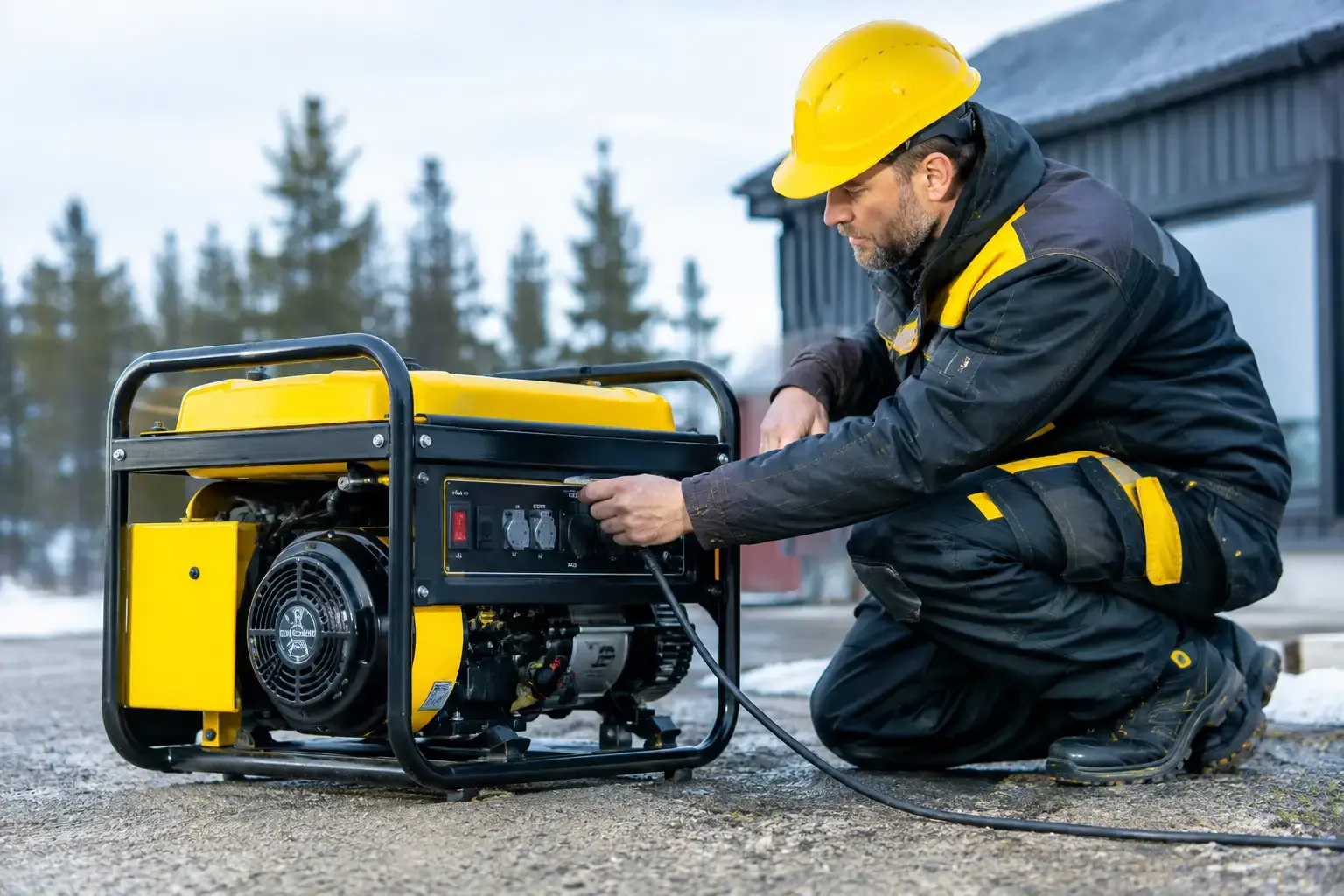
A generator that repeatedly revs up, drops down, then revs again is not just annoying. That hunting sound can mean unstable voltage and frequency, which puts connected appliances, battery chargers, pumps, and sensitive electronics at risk. If you are asking, why does generator surge, the short answer is that the engine is struggling to hold a steady speed under changing fuel, air, or electrical-load conditions.
A healthy portable generator should settle into a consistent operating rhythm after warm-up. Small changes can occur when a refrigerator, well pump, or power tool starts, but continuous surging is a fault worth finding before you rely on the unit during an outage or remote job.
Why Does a Generator Surge?
Most conventional generators must hold the engine near a fixed RPM to produce stable 50 Hz or 60 Hz AC power, depending on the model and market. The governor controls the throttle to maintain that engine speed. When the engine receives too little fuel, too much air, inconsistent fuel flow, or a load that changes faster than the governor can compensate, the RPM rises and falls. That is generator surging.
It helps to separate two problems that are often called a surge. Engine hunting is a repeating change in engine speed that you can hear. An electrical surge is a brief spike in voltage. Engine hunting can cause poor voltage regulation, but they are not exactly the same fault. Start by observing the engine behavior, not only what happens to a connected device.
Old Fuel and Restricted Fuel Flow
Fuel is the most common cause, especially on generators that sit unused between storms, seasons, or projects. Gasoline can degrade, absorb moisture, and leave varnish deposits in the carburetor. Even fuel that looks acceptable in the tank may have blocked a small carburetor passage.
The engine may run for a few seconds on available fuel, slow as the mixture becomes too lean, then recover as fuel catches up. The cycle repeats. A partly closed fuel valve, a clogged fuel filter, a kinked line, or a blocked tank vent can create the same symptom.
Check the simple items first. Confirm that the fuel valve is fully open, the tank has clean fresh fuel, and the fuel cap vent is not blocked. If loosening the cap briefly changes the way the generator runs, the tank may not be venting correctly. Never operate the generator with the cap loose as a permanent fix.
A Dirty Carburetor or Incorrect Mixture
The carburetor meters fuel through very small passages. A partially clogged pilot jet or main jet can make the engine run lean, particularly at light load. This is why some generators surge most noticeably with nothing plugged in, then seem better when a moderate load is connected.
Cleaning the carburetor properly usually means draining stale fuel, removing the carburetor bowl, inspecting the float and needle, and cleaning the jets and passages with appropriate carburetor cleaner. Do not force wire through a jet. Enlarging a calibrated opening changes the fuel mixture and can create a new problem.
If the carburetor is badly corroded, repeatedly contaminated, or damaged during previous repairs, replacement can be more reliable than repeated cleaning. Use the correct part for the engine model rather than fitting a look-alike component.
Governor Linkage Problems
The governor is the mechanical system that senses engine speed and adjusts throttle position. Its spring, arm, shaft, and linkage must move freely. A sticky linkage can overcorrect, then undercorrect, causing the classic rhythmic revving noise.
Mud, dust, dried oil, corrosion, or a bent linkage can restrict movement. Inspect the linkage with the engine off and the spark plug lead disconnected. Look for disconnected springs, binding pivots, or a throttle plate that does not return smoothly. Governor adjustment is not a guesswork task. Incorrect adjustment can cause overspeed, unstable frequency, and engine damage, so follow the generator’s service procedure or have a qualified technician handle it.
Air Leaks and Air Filter Issues
An engine needs the correct fuel-to-air ratio. Cracks in the intake boot, loose carburetor mounting hardware, or damaged gaskets can pull unmetered air into the engine. That makes the mixture lean and can cause surging, hard starting, or a hanging high idle.
A severely dirty air filter can also restrict airflow, although it more often causes rich running, reduced power, and black exhaust. Inspect the filter and air box for debris, water, oil contamination, or rodent nesting material. Replace damaged filters rather than trying to run without one. An unfiltered engine wears quickly in dusty jobsite and forest conditions.
Load Problems That Can Make a Generator Hunt
Not every surge starts inside the fuel system. The load connected to the generator matters.
A generator can react sharply when a motor-driven appliance starts. Refrigerators, freezers, sump pumps, air compressors, pressure washers, and some power tools draw a higher starting current than their running rating. If the generator is too small, overloaded, or already close to maximum output, engine speed may dip heavily and recover poorly.
Start with the generator empty. Let it warm up, with Eco Mode or idle control switched off if the manual recommends that for testing. If it runs smoothly with no load but surges after equipment is connected, calculate both running watts and starting watts. Check extension cords as well. Long, undersized cords add voltage drop and heat, making motors work harder.
Some loads naturally cycle on and off. A refrigerator compressor switching every few minutes is normal. Rapid cycling, dimming lights, or a generator that cannot recover after a motor starts is not. Reduce the load and add appliances one at a time to identify the trigger.
Inverter Generators and Economy Modes
Inverter generators do not always sound like conventional fixed-speed generators. Their engine speed can rise and fall as the inverter responds to power demand, particularly when an economy mode is active. A controlled change in RPM is normal.
The concern is repeated, erratic hunting with a stable load, or power that fluctuates enough to reset connected equipment. For diagnosis, turn off the economy mode, disconnect all loads, and allow the engine to stabilize. If the behavior continues, inspect fuel delivery, air intake, and the ignition system.
Dual Fuel Generator Surging on Propane
A dual fuel generator can surge on propane for reasons that differ from gasoline problems. Low propane pressure, a nearly empty or cold cylinder, a damaged hose, a restricted regulator, or an incorrect fuel-selector position can all limit fuel flow.
Cold weather matters. Propane must vaporize inside the cylinder before it can feed the engine. As temperature falls or demand rises, a small cylinder may not vaporize fuel quickly enough. Frost forming heavily on the cylinder is a warning sign that vaporization is struggling. Use the cylinder size and fuel setup approved for your generator, keep cylinders upright, and inspect the regulator and hose connections before starting.
Never warm a propane cylinder with an open flame, heater, or improvised heat source. If you suspect a gas leak, shut off the cylinder valve, move away from ignition sources, and correct the issue before operating the generator.
A Safe Troubleshooting Order
Before working on a generator, shut it down, let hot parts cool, close the fuel valve where applicable, and disconnect the spark plug lead. Operate generators outdoors only, well away from doors, windows, vents, and enclosed work areas. Carbon monoxide is a serious hazard even when the machine appears to be running normally.
Use this practical order to avoid replacing parts unnecessarily:
- Remove all electrical loads and test the generator after warm-up.
- Check fuel level, fuel quality, fuel valve position, fuel filter, and tank vent.
- Inspect the air filter, intake connections, and visible governor linkage.
- Test again with a known, moderate load rather than a large motor load.
- Clean the carburetor if fuel flow or a restricted jet is likely.
- Inspect the spark plug for wear, fouling, incorrect gap, or a cracked insulator.
- Seek service help if surging remains, especially if the engine backfires, races excessively, leaks fuel, or produces unstable output.
A spark plug rarely causes only surging, but it is inexpensive and easy to inspect. A worn plug can misfire under load and make an engine feel unstable. Follow the specified plug type and gap for the engine.
Prevent Surging Before the Next Outage
Portable generators last longer when they are exercised and stored correctly. Run the unit periodically with a suitable load, rather than leaving it untouched for a year. Use fresh fuel, follow the manufacturer guidance on fuel stabilizer, and avoid storing untreated gasoline in the carburetor for long periods.
For seasonal storage, many owners close the fuel valve and run the engine until it stops, then drain fuel as directed in the manual. Keep the generator dry, service the oil on schedule, and make sure cooling openings stay clear. Before an emergency, test the exact loads you plan to run, particularly pumps, freezers, heating controls, and battery chargers.
A generator that surges is often asking for basic fuel-system attention, not a major rebuild. Fix the cause while you have time and daylight. When the next power cut, storm, or remote workday arrives, steady power is the only kind that counts.
