






Blog
Generator Technology That Keeps Power Ready

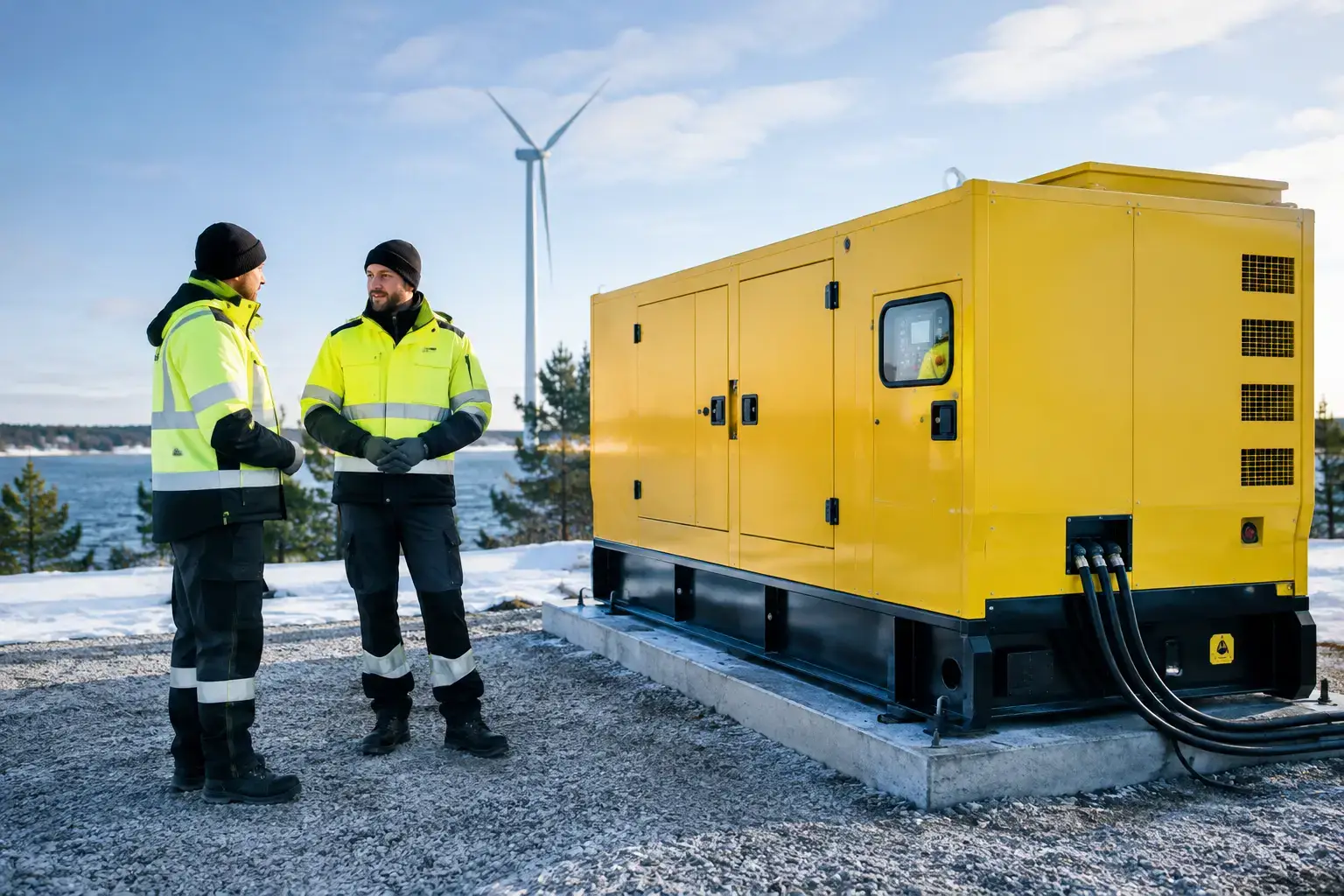
A generator is only useful when it starts, carries the load, and protects the equipment connected to it. That is where generator technology matters. Modern portable generators are not defined by wattage alone. The alternator design, engine control, fuel system, safety shutdowns, outlet configuration, and frame construction all determine whether a unit is ready for a winter outage, a remote worksite, or a long day away from the grid.
For homeowners, landowners, tradespeople, and field crews, the right technology comes down to a practical question: what must keep running when normal power is unavailable? A compact inverter generator can quietly power sensitive electronics and small tools. A high-output open-frame generator can support pumps, heaters, compressors, and larger jobsite loads. Neither is automatically better. The right choice depends on the equipment, the run time required, and the conditions where the generator will work.
How Generator Technology Produces Usable Power
Every portable generator converts engine power into electricity, but the method of controlling that electricity varies. In a conventional generator, a gasoline, diesel, or dual-fuel engine turns an alternator. The alternator produces AC electricity, while the engine governor works to hold a target speed as the load changes.
This design is proven, direct, and well suited to demanding loads. When a water pump or air compressor starts, it may need a brief surge of power well above its normal running demand. A properly sized conventional generator can handle that surge without being overly complicated. It is a strong fit for workshops, construction tasks, farm buildings, drainage work, and emergency home circuits.
The trade-off is that engine speed is closely tied to output frequency. In many conventional units, the engine needs to run near full speed even when only a small load is connected. That can mean more fuel use and more noise during light-duty operation.
Inverter Generators Clean Up the Output
Inverter generator technology adds an extra stage of electrical control. The generator first produces power, converts it to DC, then electronically creates stable AC output. This process delivers a clean, controlled waveform that is well suited to electronics, battery chargers, communication equipment, televisions, and modern appliances with sensitive control boards.
An inverter generator can also vary engine speed according to demand. With only a small load connected, the engine can reduce RPM, cutting fuel consumption and operating noise. For camping, mobile service work, outdoor events, and overnight backup of essential small loads, this is a major advantage.
However, quieter operation does not remove the need for correct sizing. A 2,000-watt inverter generator may be ideal for a refrigerator, lights, router, and device charging, but it may not start a large well pump, electric heater, or heavy compressor. Check both running watts and starting watts before choosing a unit.
Fuel Technology Changes How You Prepare
Fuel choice affects more than convenience. It influences storage, cold-weather behavior, available runtime, maintenance needs, and how quickly you can respond during an outage.
Gasoline generators remain a practical choice because fuel is widely available and engines are familiar to many owners. They are often a sensible option for occasional backup power, mobile tools, and general outdoor work. Gasoline should not be stored indefinitely, though. Use fresh fuel, follow storage guidance, and run the generator periodically instead of leaving it unused for months.
Dual-fuel generator technology gives operators more flexibility by allowing gasoline and propane operation. Gasoline provides easy access and strong portability. Propane offers a cleaner-burning stored fuel option that does not degrade in the same way as gasoline. For a property owner building an emergency power plan, keeping a maintained generator and properly stored propane cylinders can be a practical setup.
There are limits. Propane output can be slightly lower than gasoline output, and cylinder capacity affects runtime. In cold conditions, propane vaporization can also become a factor, especially with smaller cylinders and heavier loads. Plan for the weather, load, and fuel supply rather than assuming one fuel solves every problem.
Diesel generators are often selected where long service life, fuel efficiency under load, and serious-duty operation matter most. They can be well suited to larger equipment needs and extended field use. They are generally heavier and may have a higher purchase cost, but those trade-offs can make sense when the generator is a working asset rather than an occasional backup tool.
Protection Systems Are Part of the Equipment
A generator without protective features puts the engine, connected tools, and operator at greater risk. Good generator technology includes systems that react before a small problem becomes expensive damage.
Low-oil shutdown is one of the most useful engine protections. If oil level falls below a safe point, the engine stops before lubrication loss causes major wear. This does not replace regular oil checks, especially during break-in periods and extended operation, but it adds a critical layer of protection.
Overload protection helps prevent damage when the connected demand exceeds the generator’s capacity. Circuit breakers and overload systems are there to stop the output safely. If a breaker trips repeatedly, do not simply reset it and continue. Reduce the load, inspect the connected equipment, and verify that starting wattage has been calculated correctly.
Carbon monoxide shutdown systems are equally important for portable generators. Exhaust fumes can build up quickly near doors, garages, sheds, tents, or enclosed work areas. A CO sensor can shut down the generator when dangerous exhaust conditions are detected, but placement remains the first line of defense. Always run a generator outdoors, with exhaust directed away from buildings and air intakes.
Matching Output to the Real Load
The most common generator mistake is buying based only on a single wattage number. A better approach is to identify the loads that must operate at the same time, then account for the extra power required when motor-driven equipment starts.
Start by listing essential equipment. For home backup, that might include a refrigerator, freezer, well pump, circulation pump, lighting, internet equipment, and a few charging devices. For work, it could include a pressure washer, power tools, a water pump, site lighting, and battery chargers. Add the running watts, then consider the highest starting surge likely to occur.
Avoid operating a generator continuously at its absolute maximum rating. Leaving a capacity margin gives the engine and alternator room to manage changing loads. It also makes it less likely that a motor start will trip overload protection at the wrong moment.
Outlet selection matters too. Standard 120-volt outlets serve many household and portable-tool applications. Higher-capacity outlets may be needed for larger equipment or transfer-switch connections. Never assume an outlet type means the generator can safely support every device with a matching plug. Verify voltage, amperage, and generator output capacity.
Cold Weather Exposes Weak Preparation
Nordic and Baltic conditions are hard on portable equipment, but the same rules apply anywhere temperatures fall and weather turns rough. Cold fuel, thick oil, moisture, and battery weakness can turn a reliable generator into a difficult start if it has not been maintained.
Use the oil grade specified for expected temperatures. Keep the fuel system clean and the fuel fresh. If the generator has electric start, inspect and maintain the battery before the season when you are most likely to need it. Store the unit in a dry, accessible location, but never operate it in storage.
Before an outage or field job, test the generator under a meaningful load. Starting it for a few minutes is better than doing nothing, but it does not prove that it can carry a refrigerator, pump, or power tool. A regular load test helps reveal fuel issues, weak batteries, damaged cords, and tripped breakers while there is time to fix them.
Maintenance Protects Your Investment
Portable generators work hard in dusty, wet, and uneven environments. Basic maintenance is not optional if you expect dependable starts and rated output. Check engine oil, inspect the air filter, examine fuel lines and connections, and keep cooling openings clear of debris. Replace worn spark plugs, filters, and oil at the intervals in the operator manual.
Cords and accessories deserve the same attention. Use outdoor-rated extension cords sized for the distance and amperage of the load. Undersized cords create voltage drop, heat, and poor tool performance. Keep connectors dry and inspect them for cuts, crushed insulation, or loose terminals.
A generator is not a purchase you should forget in a corner. Keep the correct oil, filters, spark plugs, fuel-treatment supplies, and other service parts available before they are needed. Champion Baltics supports this approach with equipment and maintenance items intended for ongoing ownership, not just the day the generator arrives.
The best generator technology is the technology that fits the job, starts when conditions are poor, and gives you enough safe power without unnecessary fuel use or complexity. Choose for the load you truly need, test it before the emergency, and keep it ready for the work that cannot wait.
