







Blog
Generator Maintenance Schedule Guide for Reliable Power

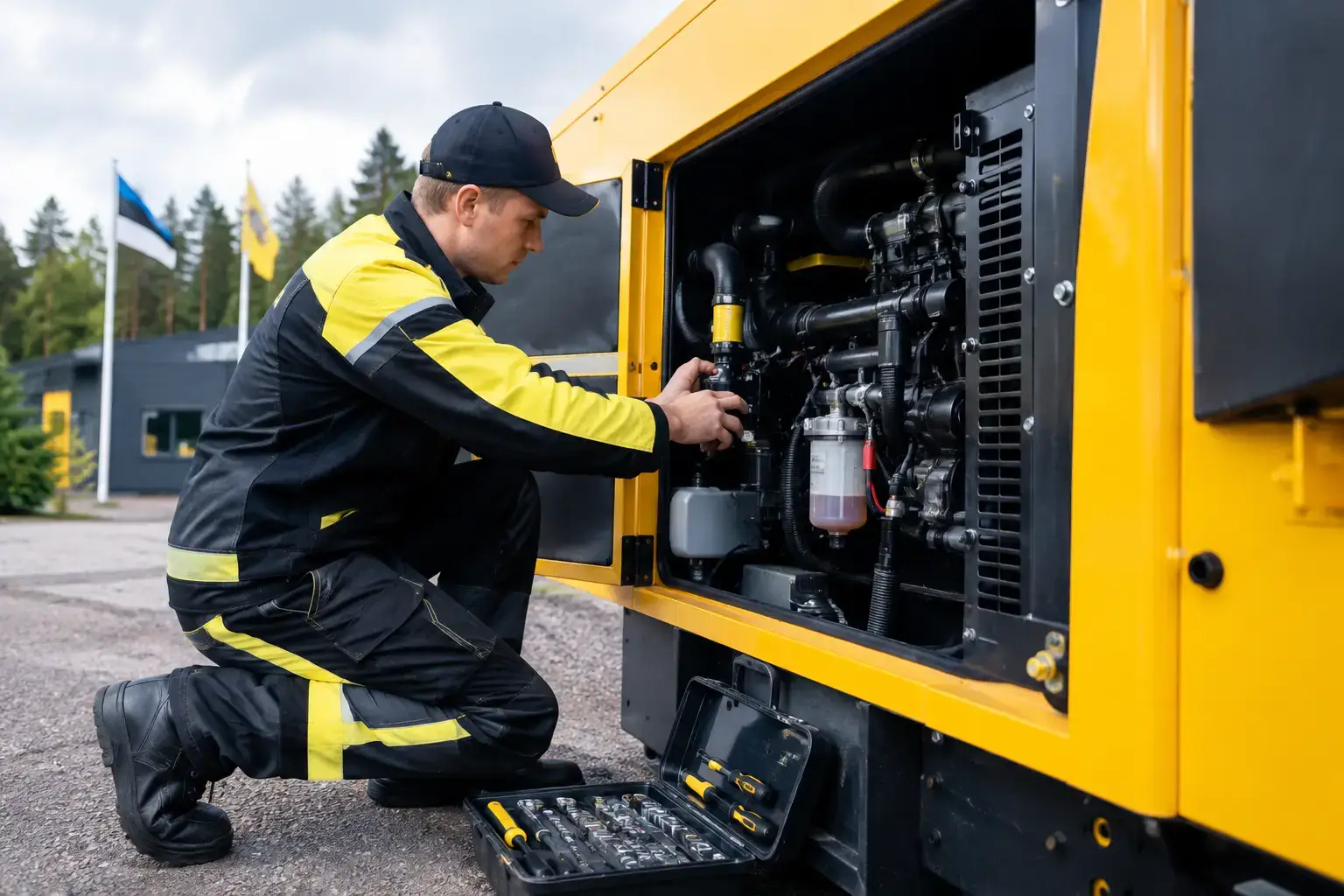
A generator that starts on the first pull or electric-start attempt is useful. A generator that has been sitting with stale fuel, a weak battery, or low oil is just expensive storage. This generator maintenance schedule guide gives homeowners, landowners, and field crews a practical routine for keeping portable power ready for outages, worksites, pumps, and remote jobs.
Maintenance is not complicated, but timing matters. A lightly used inverter generator needs attention for different reasons than a generator running daily on a construction site. Hours of operation, fuel type, storage conditions, load levels, and cold weather all affect the schedule.
Start With Hours, Not Just the Calendar
Your owner’s manual is the final authority for service intervals, but the hour meter should lead your maintenance decisions. Engine oil, air filters, and spark plugs wear according to runtime. Fuel and batteries also age while the machine is parked, which is why calendar checks still matter.
For most portable gasoline, dual-fuel, and diesel generators, use two triggers: service the unit at the stated engine-hour interval or at least once per year, whichever comes first. If the generator runs in dust, rain, freezing temperatures, or under heavy load, shorten the interval. A generator powering a home during a long outage deserves a check much sooner than one used for occasional light-duty camping power.
Keep a simple record on the generator or in your phone. Write down the date, hour-meter reading, oil type, filter service, fuel treatment, and any fault you noticed. This takes minutes and prevents the guesswork that causes missed service.
Before Every Start: A Five-Minute Readiness Check
A quick inspection before operation catches most avoidable failures. Place the generator outdoors on stable, level ground, with the exhaust directed well away from doors, windows, vents, vehicles, and occupied areas. Carbon monoxide is a serious hazard, and no maintenance routine replaces safe placement.
Check the engine oil level before starting. Low oil protection can shut many generators down, but it should not be treated as a substitute for checking the dipstick. Look for fuel leaks, cracked hoses, loose fasteners, damaged outlets, and signs that mice or insects have entered the housing.
Inspect the air intake and cooling vents. Leaves, sawdust, snow, mud, and plastic wrap can restrict airflow and make an engine run hot. Check that the fuel cap vent is set correctly if your model uses one. Then verify the extension cords are rated for outdoor use and for the expected electrical load.
If the generator has a battery start, check for clean terminals and secure cable connections. A battery may show enough power for a control panel while still lacking the cranking strength needed in cold weather.
Generator Maintenance Schedule Guide by Interval
After the first 5 to 20 hours
Many new generators need an early oil change after break-in. The exact interval varies by engine, so follow the manual supplied with your model. This first service removes the fine particles created while internal engine components seat themselves.
Check mounting bolts, vibration isolators, fuel connections, and the oil level again after the first few operating sessions. Do not assume a new machine needs no attention. A careful break-in service gives the engine a cleaner start to its working life.
Every 25 to 50 hours
Check oil level and condition, especially when operating under load for long periods. If the oil looks unusually dark, smells strongly of fuel, or feels gritty, change it early and investigate the cause. Fuel dilution can occur when an engine has been repeatedly started and stopped without reaching normal operating temperature.
Clean the exterior, cooling areas, and recoil starter area. Inspect the air filter and clean it if it is lightly dusty. A foam filter can often be washed and re-oiled only if the manufacturer specifies that process. A damaged, oil-soaked, or heavily dirty filter should be replaced rather than forced back into service.
Run the generator with a meaningful load. A no-load test proves that the engine starts, but it does not confirm stable output under demand. Connect suitable equipment or a load bank, staying within the generator’s rated running watts. Listen for surging, hunting, vibration, or breaker trips.
Every 50 to 100 hours
Change the engine oil at the interval specified for your generator. For many portable units, this lands around 50 or 100 hours after the initial break-in change. Use the correct viscosity for the operating temperature. Cold starts may call for a different oil grade than summer work, particularly where winter temperatures stay below freezing.
Inspect and service the air filter more thoroughly. Check the spark plug for electrode wear, deposits, and correct gap. A clean, correctly gapped plug supports easier starting, smoother running, and better fuel use. Replace it if the electrode is worn, the ceramic is cracked, or deposits return quickly after cleaning.
For dual-fuel generators, inspect the propane hose, regulator, fittings, and seals. Replace damaged hoses immediately. Propane can be a useful storage fuel because it does not go stale in the carburetor, but the fuel system still needs leak checks and protection from physical damage.
Every 100 to 300 hours or annually
Annual service is the right time for a full inspection, even if runtime has been low. Change the oil if it has been in the engine for a year. Replace the air filter and spark plug as required. Check the fuel filter if your model has one, inspect the spark arrestor, and clean it when needed.
Examine wheels, handles, frame welds, rubber feet, outlet covers, and control-panel labels. Portable equipment gets moved, loaded, and stored in rough places. Small damage around the frame or outlets can turn into a safety issue when the unit is needed urgently.
Diesel generators may also require water separator checks, fuel filter replacement, and attention to glow plugs or battery condition. Diesel fuel can develop water contamination during long storage, so do not ignore the fuel system simply because diesel is less volatile than gasoline.
Fuel Care Is Often the Difference Between Ready and Dead
Most generator starting problems begin in the fuel tank or carburetor. Gasoline degrades over time, and ethanol-blended fuel can attract moisture. For a generator that will sit longer than a few weeks, use fresh fuel and a quality fuel stabilizer suitable for the engine and fuel type.
If storing a gasoline generator for several months, follow the manual’s storage procedure. Depending on the model, that may mean running the carburetor dry, draining the fuel system, or storing treated fuel in the tank. There is a trade-off: a dry system reduces stale-fuel risk, while a filled, stabilized tank can reduce condensation. The correct choice depends on the manufacturer’s design and recommended procedure.
Do not store old fuel in the generator because it might be useful later. Fresh fuel is cheaper than carburetor cleaning, downtime, and emergency failure. Keep fuel in approved containers, away from ignition sources, and rotate it into suitable equipment before it ages out.
Exercise a Standby Generator Every Month
A backup generator should not wait for a storm to prove itself. Once a month, inspect it, start it outdoors, and let it run long enough to reach normal operating temperature. Apply a moderate electrical load for part of the test.
This monthly exercise circulates oil, keeps the carburetor from sitting unused, charges the starting system where applicable, and reveals faults while there is time to correct them. Test the generator’s outlets, circuit breakers, and low-oil shutdown only according to the manual. Never create a dangerous condition just to test a safety feature.
For home backup use, practice your connection plan. If a transfer switch or interlock is installed, it must be set up correctly by a qualified electrician. Never connect a portable generator directly to household wiring through a wall outlet. Backfeeding can injure utility workers, damage equipment, and create fire risk.
Storage and Cold-Weather Preparation
Cold weather exposes weak batteries, marginal fuel, thick oil, and neglected maintenance. Store the generator dry and protected, but do not run it inside a garage, shed, or enclosed storage space. Before winter, confirm the pull cord moves freely, the battery is maintained, and the selected oil grade supports expected temperatures.
Keep the generator accessible. A machine buried behind boxes, frozen into a shed corner, or stored without a clear fuel plan is not emergency-ready. Keep the correct oil, spark plug, air filter, fuel treatment, and basic hand tools with the unit. Champion Baltics customers who rely on portable power for rural property, workshop, or field work benefit most when common maintenance items are on hand before the weather turns.
Know When a Problem Needs Service
Stop operating and investigate if the generator smokes heavily, surges continuously, trips breakers with a normal load, leaks fuel or oil, loses output, or makes new knocking or grinding sounds. Continuing to run a failing engine can turn a replaceable part into a major repair.
A disciplined schedule does more than protect the generator. It protects the freezer full of food, the sump pump, the tools on the jobsite, and the heat or lighting you need when normal power is gone. Give the machine a few planned minutes of care, and it is far more likely to answer when the work cannot wait.
