





Blog
How to Prime a Water Pump Correctly Every Time

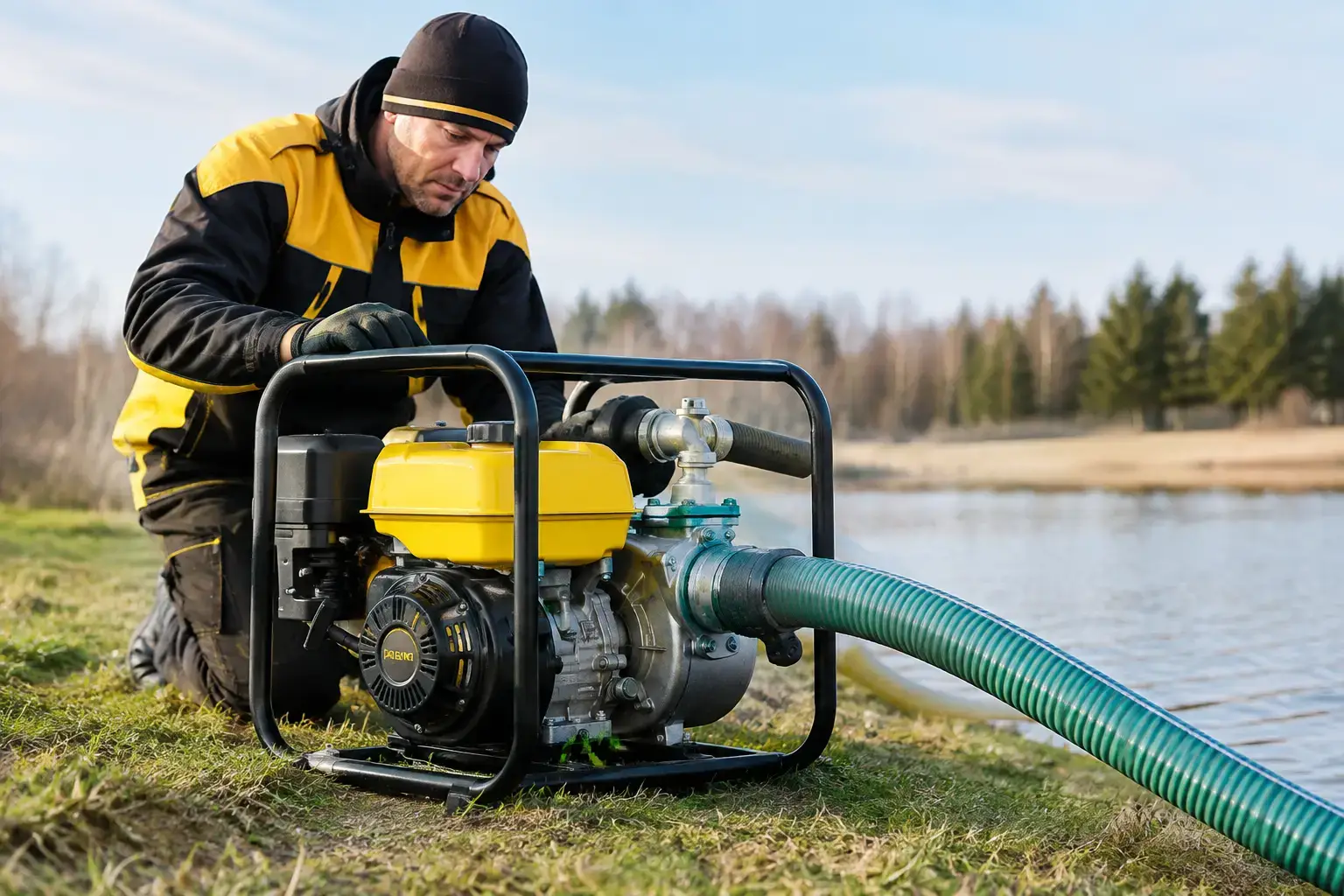
A pump that starts but will not move water is rarely a mystery. In most cases, the pump housing or suction line is full of air, not water. To prime a water pump correctly, you need to fill the pump and suction system with water before the engine or motor is asked to pull. Get this right, and your pump is ready for drainage, irrigation, transfer work, or emergency flood response. Get it wrong, and dry running can overheat seals, damage components, and cost you time when the job cannot wait.
Know Whether Your Pump Needs Priming
Most portable surface water pumps, including gasoline-powered centrifugal pumps, need to be primed before operation. These units sit above the water source and rely on a water-filled pump casing to create the suction needed to lift water through the inlet hose.
A submersible pump works differently. Because it operates underwater, it does not normally need manual priming. Some self-priming surface pumps can handle a limited amount of air after their casing has been filled initially, but they still need water in the housing before first use and after the system has drained.
Do not assume a pump is self-priming simply because it has worked before. Self-priming does not mean dry-priming. It means the pump can clear some air from a properly filled casing and suction line. Running a centrifugal pump completely dry is never the right shortcut.
What You Need Before You Prime a Water Pump Correctly
Set up the pump on firm, level ground as close to the water source as practical. A shorter suction lift gives the pump less work to do and improves its chance of priming quickly. Keep the engine exhaust pointed away from buildings, fuel, dry grass, and working areas. If you are using an electric pump, keep plugs, extensions, and connections dry.
The suction hose must be airtight and rated for suction service. A discharge hose can collapse under vacuum, so it is not suitable for the inlet side. Fit a strainer or foot valve to the submerged end of the suction hose. The strainer keeps stones, leaves, mud, and debris out of the impeller. A foot valve helps hold water in the line when the pump is shut down, making restarts faster.
Check the hose couplings, gaskets, clamps, and thread connections before adding water. A tiny air leak on the suction side can stop priming completely, even if no water leaks out. The discharge side is under pressure once running, but the suction side operates under vacuum. That means loose fittings pull air inward instead of visibly dripping water.
How to Prime a Water Pump Correctly
Follow the pump’s operating manual for model-specific details, but the working sequence is consistent across most portable surface pumps.
- Turn the pump off and let it cool if it has been running. Never remove a priming cap from a hot pump or work near moving parts. Close the fuel valve or disconnect power if needed while you inspect the setup.
- Connect the suction hose and strainer securely. Place the strainer well below the water surface, but not directly in soft mud, sand, or debris. If it sits on the bottom, it can clog quickly. Support it slightly above the bed with a brick, basket, or suitable stand.
- Check the suction lift. Water does not rise indefinitely just because the engine is powerful. In real working conditions, practical suction lift is usually lower than the theoretical maximum. Keep the pump close to the source and avoid unnecessary hose length, sharp bends, or high points that trap air.
- Remove the priming plug or cap on top of the pump housing. Fill the casing slowly with clean water until it reaches the opening. If the suction hose is dry and long, some water may move into the line as you fill. Continue until the housing remains full.
- Reinstall the priming plug tightly. Check that its sealing washer or O-ring is in place. A damaged cap gasket can pull air into the casing and cause an otherwise good pump to lose prime.
- Open the discharge path and start the pump. Do not leave a discharge valve fully closed unless the pump manufacturer specifically allows it. Start the engine according to its procedure, then increase speed as required for the job. Water should begin moving after the pump clears remaining air from the system.
- Watch the output during the first minute. A strong, steady flow means the pump is primed and working. If no water appears after a short period, stop the pump before it runs dry. Recheck the casing water level, hose connections, strainer position, and suction lift rather than letting the unit keep spinning.
Why a Pump Loses Prime
A pump that repeatedly loses prime is telling you something about the setup. The most common cause is an air leak in the suction line. Inspect hose clamps, quick-connect fittings, thread seals, inlet gaskets, and the priming cap. Replace cracked hoses and flattened gaskets instead of tightening worn parts until they fail.
A leaking or missing foot valve is another common issue. Without a valve to retain water, the suction line may drain back into the source after shutdown. That does not always indicate a fault, but it does mean you will need to refill the pump casing before each restart. For frequent irrigation or water transfer work, a good foot valve saves time and reduces unnecessary wear from failed starts.
The water source itself may also be the problem. If the strainer is too close to the surface, the pump can draw a vortex of air. If it is buried in silt, flow becomes restricted. In shallow water, position the intake carefully and reduce pump speed if necessary to prevent the source from being pulled down around the strainer.
Avoid Dry Running and Cavitation
Dry running is more than an inconvenience. Water helps cool and lubricate key components inside many centrifugal pumps, particularly the mechanical seal. A pump spinning without water can overheat rapidly and damage that seal. Once damaged, the pump may leak or lose suction even after it has been primed properly.
Cavitation is different, but it can sound similar. It occurs when the pump does not receive enough water at the inlet and vapor bubbles form and collapse inside the pump. You may hear rattling, grinding, or a harsh uneven sound. Long suction runs, restricted strainers, water that is too hot, excessive lift, or a partially collapsed hose can all contribute.
If the pump output surges or the sound changes, reduce the strain on the inlet side. Clean the strainer, shorten the suction hose where possible, lower the pump closer to the source, and inspect the hose for soft spots. Do not try to solve an inlet problem by simply running the engine faster.
Cold-Weather and Field Conditions
For property owners and field crews working in cold conditions, priming starts with preventing frozen water from becoming a pump problem. After use, drain the pump housing, hoses, and fittings if freezing temperatures are expected. Water left inside can freeze, expand, and crack the casing or damage seals.
Carry clean water specifically for priming when working away from a reliable source. A small container can save a long delay at a drainage site, forest track, or remote building. Also keep spare hose gaskets, clamps, a strainer, and basic hand tools with the pump. These are small items, but they are often the difference between a quick restart and a stalled job.
Fuel-powered pumps should be started outdoors with clear ventilation. Check engine oil before operation, use the correct fuel, and keep the unit level. If the pump has been stored for a season, inspect the impeller area, seals, hoses, and fasteners before relying on it for emergency drainage.
When Priming Does Not Restore Water Flow
If the casing is full, the hose is airtight, and the pump still will not move water, stop troubleshooting by repeated dry starts. Remove the suction hose and check the strainer for blockage. Confirm that the impeller is not obstructed by debris and that the inlet gasket is seated correctly. On a pump that has seen heavy use, worn seals or impeller damage may reduce its ability to create suction.
It is also worth checking the basics: correct hose direction, discharge hose not pinched, enough water at the source, and a pump size suited to the required lift and flow. A high-flow trash pump is useful for dirty water and heavy drainage, while a smaller transfer pump may be the better choice for clean-water tasks where portability matters.
Prime carefully, listen to the pump, and stop at the first sign that it is running without water. That routine takes only a few minutes, protects the equipment, and keeps your pump ready when the water needs to move.
