







Blog
Workshop Backup Power That Keeps Work Moving

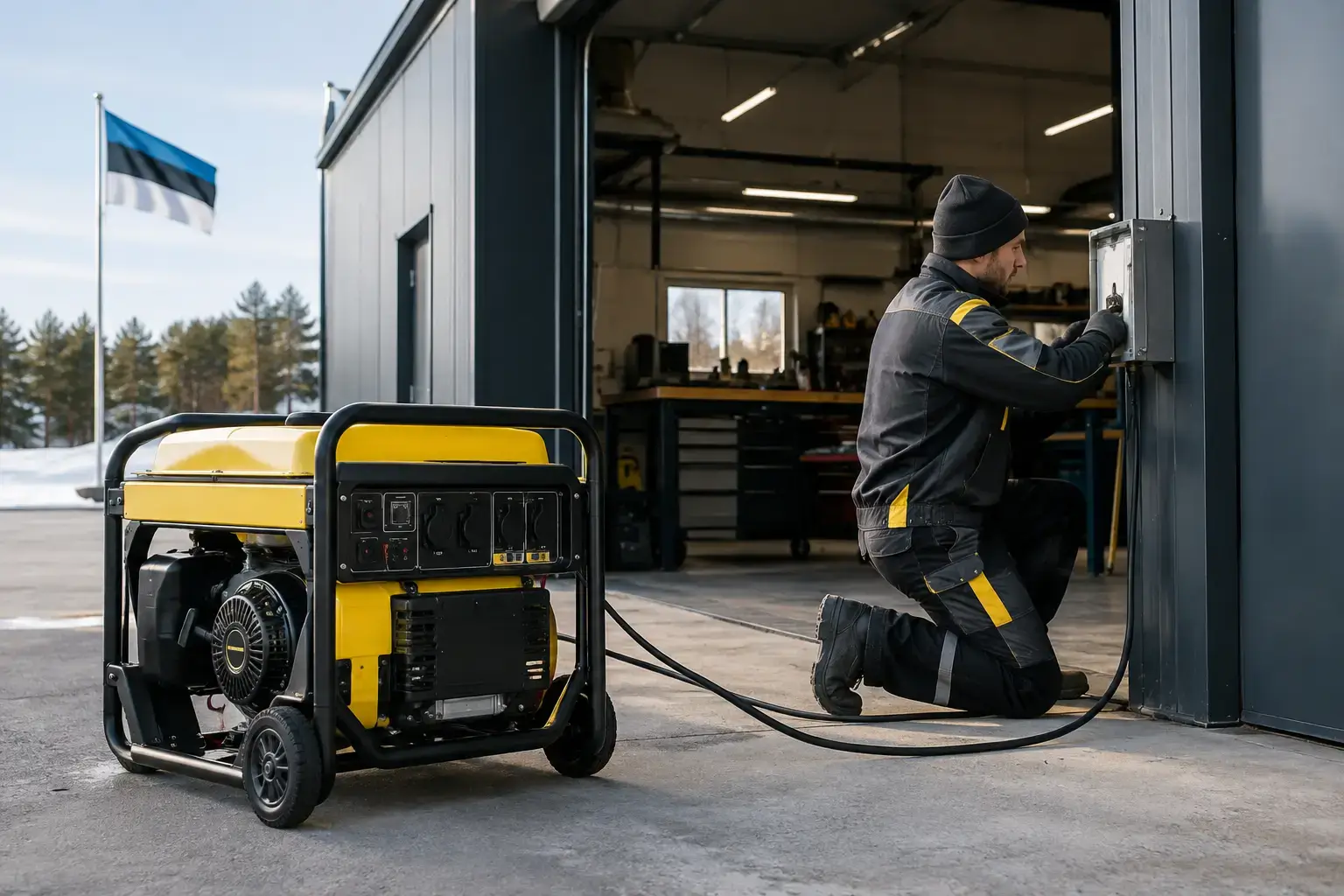
A power outage in the middle of a repair is more than an inconvenience. It can leave a vehicle on a lift, a sump pump inactive, batteries half-charged, and a heated workshop cooling down fast. The right workshop backup power gives you enough electricity to finish critical work safely, protect equipment, and stay productive until the grid returns.
A portable generator is often the practical answer for detached garages, farm shops, service bays, and rural workshops. But generator selection is not simply about buying the largest wattage number available. Your tools have different startup demands, sensitive electronics need clean power, and a unit that is difficult to start in freezing weather will not help when you need it most.
Start With the Work You Cannot Afford to Stop
Backup power should be built around essential loads, not every electrical item in the building. During an outage, most workshop owners need dependable lighting, a way to charge cordless tool batteries and phones, heat or circulation for a critical system, and power for one or two key tools.
Write down the equipment you genuinely need to operate at the same time. Include the running watts and starting watts for motor-driven equipment. A compressor, dust extractor, well pump, refrigerator, and circular saw may draw far more power for a few seconds at startup than they use while running. This surge is where undersized generators struggle.
A practical backup plan might include:
- LED work lights and basic building lighting
- Battery chargers, diagnostic equipment, and a laptop
- A small air compressor or shop vacuum
- A sump pump, circulation pump, or freezer
- One primary corded tool at a time
Do not assume that a generator sized for a drill can also start a large compressor while a heater and pump are running. Add the running wattage of loads that will operate together, then add the highest startup wattage from a motor that may start during use. Leave a healthy margin rather than running the generator at its limit for hours.
For example, 500 watts of lighting and chargers, a 1,500-watt compressor running load, and a 1,000-watt shop vacuum already total 3,000 running watts. If the compressor needs 4,500 watts to start, your generator must handle the combined momentary load, not just the 3,000-watt total. In that situation, a generator with substantially more than 4,500 starting watts is the safer working choice.
Match Workshop Backup Power to Your Tools
Portable inverter generators suit many workshops because they provide stable power for battery chargers, electronic controls, diagnostic gear, laptops, and modern variable-speed tools. They are generally quieter than conventional open-frame generators, which matters when the shop is close to a home or neighboring property. Their compact size also makes them useful for mobile repair work and off-grid jobs.
A conventional petrol generator can be a strong choice when the priority is higher output for rugged loads. If you need to run heavier equipment, several basic tools, or a larger pump, the extra capacity can be more useful than ultra-quiet operation. The trade-off is usually more noise, more weight, and less refined output than an inverter model.
Dual fuel generators add another layer of preparedness. Being able to run on gasoline or propane can be valuable where fuel availability changes or where you want a longer-term stored-fuel option. Gasoline offers broad availability and strong performance, while propane stores well and can simplify fuel rotation. Output and runtime can differ by fuel, so check the specifications for the fuel you expect to use most often.
Diesel generators make sense for some larger, frequent-use applications, especially where a property already handles diesel equipment. They can be economical under sustained load, but they are not automatically the best workshop backup choice. Consider cold-weather fuel handling, unit weight, noise, and the size of the load before deciding.
Protect Sensitive Equipment and Heavy Motors
Not all workshop devices respond to generator power in the same way. A simple incandescent light or basic heating element is forgiving. Electronic battery chargers, computerized welding equipment, smart chargers, and diagnostic tools are less forgiving. For these items, an inverter generator with clean, stable power is often the sensible option.
Heavy induction motors create the opposite challenge. Older compressors, large dust collectors, pumps, and some welders may need a high startup surge. Check the data plate if possible. If it lists amps rather than watts, multiply volts by amps for a rough running-watt estimate, then account for motor startup demand. The manufacturer documentation remains the better source when available.
Welders deserve special attention. Their input requirements vary widely by process, output setting, and duty cycle. A generator that can run a small welder at moderate settings may not support full output or a larger unit. Match generator capacity to the welder’s stated generator requirement instead of relying on a general wattage estimate.
Avoid using a generator continuously at maximum rated output. A load around 50 to 80 percent of rated running capacity is usually easier on the equipment and gives you room for startup surges. It also makes it less likely that one unexpected pump cycle will trip protection and shut down the work area.
Plan the Connection Before the Outage
A generator sitting in the corner is not a backup system until you can connect it safely. For temporary power, heavy-duty outdoor-rated extension cords may be enough. Use cords sized for the length and amperage of the load, keep connections dry, and avoid running several high-draw tools through a light-duty power strip.
If you want selected workshop circuits powered during an outage, have a qualified electrician install an approved transfer switch or generator inlet. This separates generator power from utility power and prevents dangerous backfeeding. Never connect a generator to a wall outlet or panel with a homemade cord. That practice can injure utility workers, damage equipment, and create a serious fire risk.
Generator placement matters just as much. Operate portable generators outdoors only, well away from doors, windows, vents, and air intakes. Carbon monoxide is odorless and can build up quickly in garages, workshops, and partially open sheds. Do not run a generator inside the shop, in a basement, or in an attached garage, even with the door open. Install working carbon monoxide alarms in nearby occupied spaces.
Keep the unit on stable, level ground where exhaust cannot enter the building. Protect it from direct rain and snow with a purpose-built generator cover or open-sided shelter that does not restrict airflow. Refuel only after shutting the unit down and allowing hot components to cool.
Cold-Weather Readiness Is Part of the Job
A Baltic winter or a hard rural cold snap exposes weak maintenance habits quickly. Fuel that has sat too long, a neglected battery, thick oil, or a clogged air filter can turn a capable generator into dead weight. Run your backup generator periodically under a real load, not just for five minutes with nothing connected.
Use fresh fuel and a suitable fuel stabilizer if gasoline will be stored. Follow the engine manual for oil grade and service intervals, and keep spare engine oil, spark plugs, air filters, and fuel supplies on hand. If your model uses electric start, inspect the battery and charging system before cold weather arrives. Recoil start remains a useful backup, but it is better not to depend on it after the temperature drops.
Champion Baltics customers often need equipment that can be moved across yards, worksites, forest properties, and uneven ground. In that setting, portability is a real operating feature. Consider wheel kits, folding handles, lifting points, overall weight, and the route between the storage area and the workshop. The generator must be easy enough to deploy when conditions are wet, dark, or icy.
Build a Backup Setup You Will Actually Use
The best workshop power plan is simple enough to operate under pressure. Label the circuits or tools that are approved for generator use. Store the correct cords with the generator. Keep a written startup sequence nearby: move the generator outside, check oil and fuel, connect loads, start the unit, then add equipment one piece at a time.
Test the setup twice a year. Start the generator, run lights and chargers, then test the largest motor load you expect to use. This reveals weak cords, incorrect wattage assumptions, fuel problems, and connection issues before a storm or grid fault forces you to learn the hard way.
A properly sized generator does not need to power every convenience in the workshop. It needs to keep the work area safe, the critical tools available, and the next job from being delayed by a power line you cannot control.
