





Blog
Backup Generator Lithuania Guide for Homes

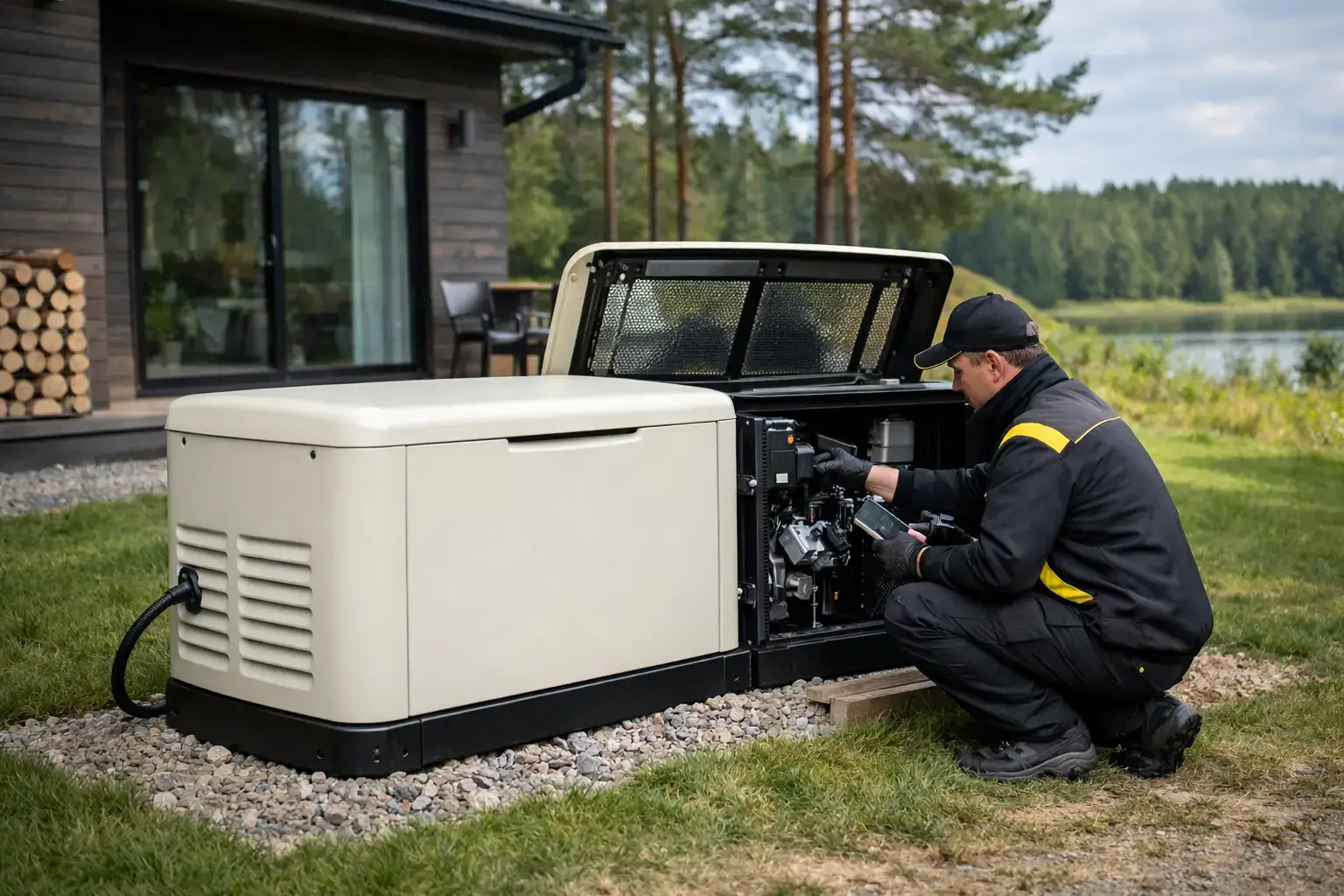
A winter outage can turn a comfortable home into a cold, dark building faster than most owners expect. This backup generator Lithuania guide is built for the practical question that matters: what generator will keep the equipment you actually need running when grid power fails?
The right answer is rarely the largest unit you can afford. It is the generator that matches your electrical load, fuel plan, installation method, and operating conditions. A small inverter generator may be enough for a boiler, refrigerator, lights, and communications. A larger open-frame or diesel unit may be the better tool for a rural property with a well pump, workshop loads, or several buildings.
Start With the Loads That Cannot Stop
Do not size a backup generator around every appliance in the house. Start with the systems that protect the property and keep daily life moving: heating controls and circulation pumps, a refrigerator or freezer, essential lighting, internet equipment, a sump pump, a well pump, and phone charging.
Write down each appliance’s running wattage and starting wattage. Motors are the usual problem. A refrigerator, pump, compressor, or power tool can need substantially more power for a few seconds when starting than it uses while running. If the generator cannot handle that surge, it may trip its overload protection even though the running load appears acceptable.
For a basic home backup setup, add the running watts of the loads you want active at the same time. Then add the highest starting wattage from a motor-driven appliance. Leave a sensible capacity margin rather than operating at the generator’s limit for hours. A generator that runs at roughly 50 to 80 percent of its rated output is generally easier to manage than one constantly pushed to maximum.
For example, a heating system and circulation pump may use a modest amount of power, while a refrigerator, freezer, lighting, router, and charging devices add more. That combination can often fit within a mid-size portable generator. Add a well pump, electric water heater, induction cooktop, or workshop compressor, and the requirement rises quickly. Heating elements are especially demanding, so do not assume a portable generator should run electric space heaters or an entire electric heating system.
Check Voltage and Frequency Before Buying
Lithuanian household electrical systems use 230V and 50Hz power. Your generator, extension equipment, and any connection hardware must match the appliances you plan to operate. This is not a detail to sort out after delivery.
Check whether the generator provides the outlet type and voltage you need, whether it has a suitable circuit breaker, and whether your planned loads require single-phase or three-phase power. Three-phase generators can be useful for certain machinery, but they are not automatically the best choice for a standard home. Load balancing across phases matters, and a single-phase household backup plan may be simpler and more efficient with a single-phase generator.
Choose the Generator Type for the Job
A generator is not just a wattage number. Noise, fuel access, portability, power quality, and expected run time all affect the right choice.
Inverter Generators for Quiet Essential Power
Inverter generators are a strong fit for homeowners who need clean, stable power for electronics, communications equipment, modern heating controls, and smaller appliances. They are typically quieter than conventional open-frame units, and many reduce engine speed when the load is light. That can lower fuel use and noise during long outages.
Their trade-off is output capacity. A compact inverter model is excellent for essential circuits, camping equipment, or a small cabin, but it will not replace a whole-property supply. If you need more output, look at larger inverter generators or models that can operate in parallel where supported.
Petrol, Dual Fuel, or Diesel
Petrol generators are common because fuel is widely available and the machines are easy to transport. For occasional emergency use, they are often a practical option. Petrol does not store forever, however. Fuel can degrade, especially when left untreated in a machine for months, so rotate stored fuel and follow the engine manufacturer’s guidance on stabilizer use.
Dual fuel generators provide useful flexibility. Running on LPG can simplify long-term fuel storage and can be convenient where gas cylinders are already part of the property setup. Petrol remains available as a backup fuel source. The trade-off is that output may differ between fuels, so size the unit based on the fuel you expect to use during an actual outage, not only its best-case rating.
Diesel generators are often chosen for heavier loads, longer running periods, and demanding property or work use. They can make sense for farms, workshops, and sites where dependable extended operation matters more than low weight. They are generally less convenient to move and can require more careful cold-weather fuel management.
Plan for Cold Starts and Long Outages
A generator that starts easily on a mild afternoon may behave differently after a freezing night. Cold-weather readiness starts well before the power goes out.
Keep the generator in a dry, accessible location, but never operate it inside a home, garage, basement, shed, or any enclosed area. Exhaust contains carbon monoxide, an odorless gas that can kill. Position the generator outdoors on stable ground, well away from doors, windows, vents, and air intakes. Use carbon monoxide alarms inside the building as an added layer of protection, not as a substitute for correct placement.
Use the engine oil grade specified for the expected temperature range. Check oil level before each use, maintain the battery on electric-start models, and run the generator periodically under load. A machine that has not been started for a year is not a backup plan. It is an untested piece of equipment.
Fuel storage also needs discipline. Store approved fuel containers safely, keep enough fuel for your realistic outage plan, and remember that a generator’s listed run time is usually based on a particular load. Heavy loads consume fuel much faster. If outages in your area can last more than a day, calculate fuel needs using the expected load and refill intervals, not wishful thinking.
Connect Power Without Creating a New Hazard
The simplest method is to run properly rated outdoor extension cords directly from the generator to selected appliances. This works well for a refrigerator, freezer, lighting, chargers, and a few other essentials. Keep cords protected from water, physical damage, and door edges that can crush insulation.
For a cleaner home backup arrangement, a qualified electrician can install a manual transfer switch or interlock system. This lets you supply selected household circuits while keeping the generator isolated from the utility grid. It is the right approach for fixed loads such as a boiler, well pump, or selected lighting circuits.
Never plug a generator into a wall outlet to energize the house. This dangerous practice, often called backfeeding, can energize utility lines and put utility workers at risk. It can also damage the generator and home electrical system. A proper transfer arrangement is not an optional extra when connecting a generator to building wiring.
Pay attention to grounding requirements as well. The correct setup depends on the generator design and how it is connected. Follow the generator manual and have an electrician confirm the installation when feeding any fixed electrical system.
Do Not Ignore Noise, Security, and Weather Protection
Generator noise becomes more noticeable at night, especially during a neighborhood-wide outage. Inverter generators are often the better choice near homes, but even a quiet unit needs thoughtful placement. Point exhaust away from living areas and avoid narrow corners that reflect sound back toward the house.
Do not run a generator in rain or snow without suitable weather protection. The unit needs airflow for cooling and exhaust, so covering it with a tarp is unsafe. Use a purpose-designed generator cover or shelter that keeps precipitation away without restricting ventilation.
Portable equipment also needs basic theft protection during an outage. A locking cable, visible lighting around the property, and placement where the generator is not easily approached from the road can make a difference. Do not compromise safe ventilation for concealment.
Keep the Generator Ready Between Outages
Ownership does not end when the engine stops. Run the generator on a schedule, ideally with a meaningful electrical load attached. Check the oil, air filter, spark plug condition, fuel lines, wheels, fasteners, and battery where fitted. Keep spare engine oil, a spark plug, air filter, and the correct fuel containers available before they are needed.
For a property that depends on backup power, buying access to maintenance parts matters as much as buying the generator itself. Champion Baltics supports this practical approach with generators, accessories, oils, and replacement parts for ongoing use in Baltic conditions.
A generator earns its place when the lights go out, the temperature drops, and there is no time left for guesswork. Size it for essential loads, connect it safely, test it before winter, and keep the fuel and service items ready beside it.
