






Blog
Can Generators Run in Rain Safely?

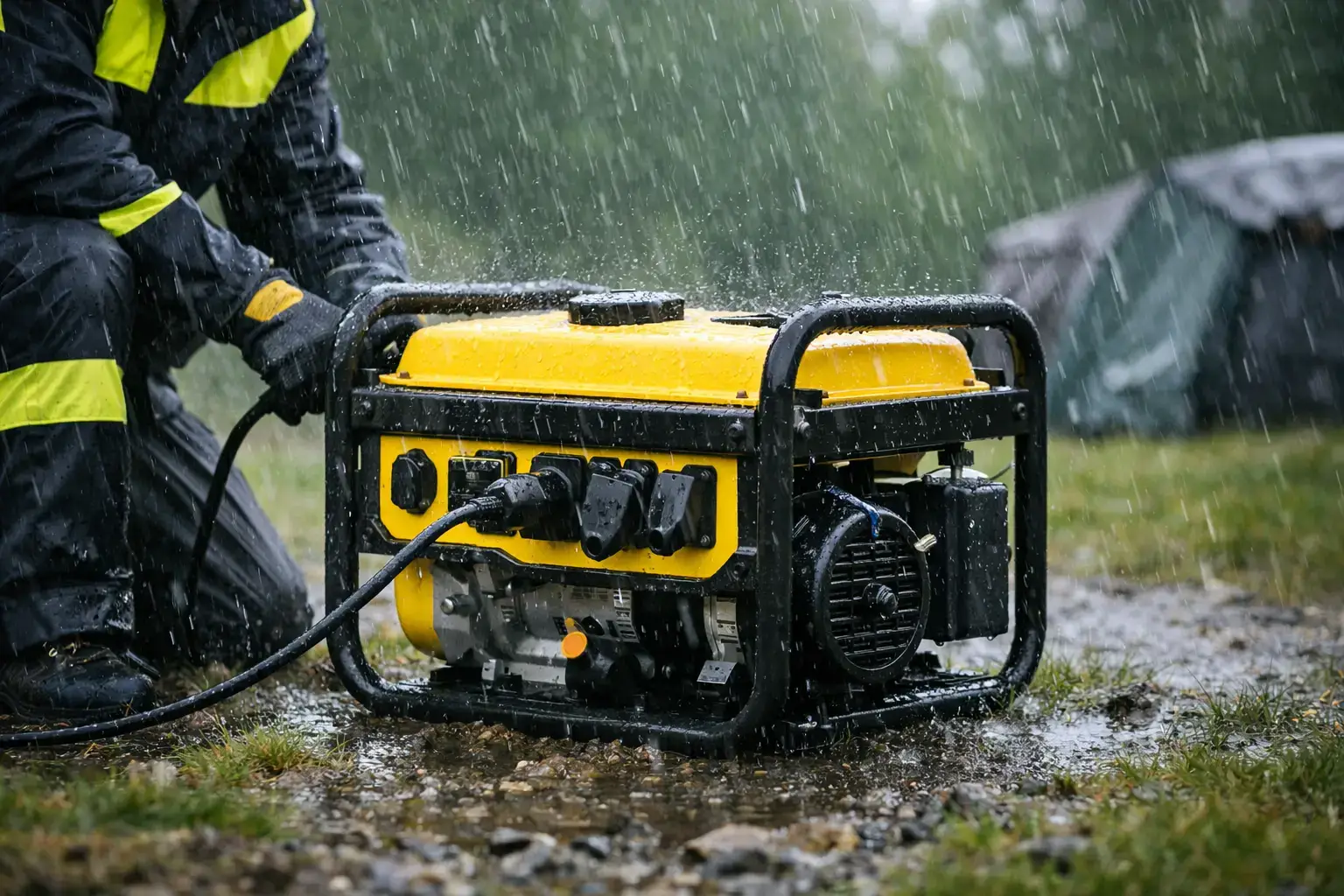
A storm knocks out the grid, your sump pump needs power, and the generator is sitting outside in wet weather. That is usually when people ask the question: can generators run in rain? The short answer is no, not if the generator is exposed directly to rainfall. Water and portable power equipment are a dangerous mix, and using a generator in the rain without proper protection can lead to electric shock, equipment damage, or carbon monoxide risk if you move it somewhere unsafe.
The good news is that bad weather does not automatically mean you have to shut down your backup plan. It means you need the right setup. A generator can operate during rainy conditions if it is protected correctly, placed in a safe location, and used exactly as the manufacturer intends.
Can generators run in rain if they have cover?
Yes, but the cover matters. A portable generator should never sit uncovered in open rain. If you need to run it during wet weather, it needs overhead protection that keeps water off the outlets, control panel, and engine while still allowing full airflow.
That last part is where people get into trouble. Throwing a tarp over a running generator is not a solution. It traps heat, can shift into hot components, and may block ventilation. Generators need steady airflow to cool the engine and move exhaust away from the unit. Restrict that airflow and you trade one hazard for another.
A proper generator tent, generator running cover, or a fixed open-sided shelter can work if it is designed for active operation. The goal is simple: keep rain out without boxing the machine in. If the cover is close-fitting, heat-resistant, and built specifically for generator use, it can help you operate more safely in poor weather. If it is improvised and unstable, it is a risk.
Why rain is a real hazard for portable generators
Most portable generators are built for outdoor use, but outdoor use does not mean weatherproof in every condition. Rain can enter the outlets, soak extension cord connections, and create a conductive path where electricity should stay contained.
There is also the mechanical side. Water intrusion can damage controls, breakers, and internal electrical components. Even if the unit keeps running, moisture can shorten service life or create intermittent faults that are hard to diagnose later.
Then there is the mistake that causes the most serious injuries: moving the generator into a garage, shed, porch enclosure, or partly open building to keep it dry. That may solve the rain problem, but it creates a carbon monoxide problem. Generator exhaust can build up fast, and it does not take much exposure to become life-threatening.
Safe placement matters more than most people think
If you need to run a generator during a storm, placement is doing most of the safety work. The unit should be outdoors, on a dry and stable surface, with rain protection above it and open space around it. Keep it far enough from doors, windows, vents, and crawlspace openings so exhaust cannot drift into the building.
Flat ground is important too. A generator set at an angle may not lubricate correctly, especially over long run times. Wet grass, mud, or loose gravel can also make the unit unstable or increase the chance of water splashing into low-mounted components.
If your property regularly loses power during storms, it is worth planning this location before an outage happens. Pick a spot with drainage, enough working room, and a straightforward cable route. In rough weather, the best setup is the one you do not have to improvise.
A note on extension cords and connections
Rain safety is not just about the generator itself. Cords, plugs, and transfer equipment need attention too. If your extension cord connections sit in puddles or out in open rain, the setup is not safe.
Use outdoor-rated heavy-duty cords sized correctly for the load. Keep plug connections elevated and protected from direct water exposure. Undersized cords can overheat, and poorly placed connections can trip breakers or create shock hazards.
If you are feeding home circuits, a proper transfer switch or inlet setup is the cleaner solution. It is safer, more organized, and better suited for repeated emergency use than a maze of cords through a cracked-open door.
What about inverter generators and enclosed models?
Some buyers assume enclosed inverter generators can handle rain better because the housing looks more sealed. They may resist splashes better than open-frame models in some cases, but that does not mean they should be run uncovered in rainfall. The same rule applies: if the manufacturer does not say the unit is rated for wet operation, do not expose it directly.
Inverter generators do have practical advantages in bad weather. Their enclosed design often helps protect internal components from light debris and can make them easier to pair with purpose-built running covers. They are also quieter, which matters if the generator needs to run for long stretches near a home, workshop, or campsite. Still, quiet operation does not change the weather safety rules.
What the manual and safety labels are really telling you
Most generator manuals are direct on this point. Do not operate the generator in rain, snow, or wet conditions unless it is protected appropriately. That wording matters. It does not mean any cover will do. It means you need a setup that controls water exposure without creating heat buildup or exhaust accumulation.
If your generator includes GFCI-protected outlets or covered receptacles, that improves safety, but it is not permission to ignore weather precautions. Safety features reduce risk. They do not cancel it.
This is also where quality matters. A well-built generator with reliable breakers, cold-start performance, and stable output is a better machine to depend on when the weather turns. But even premium equipment needs correct use. Bad placement can ruin a good generator fast.
A better approach for storm readiness
If your main concern is emergency home backup, prepare the whole system instead of just the machine. Think through where the generator will sit, how it will stay dry, how cords or transfer equipment will be routed, and how fuel will be stored safely.
For many homeowners and rural property users, a dual fuel generator adds flexibility in storm season. If gasoline supply becomes a problem, propane gives you another option. For mobile jobsites, forests, remote cabins, and field work, portability and fast setup matter more. In those cases, a compact inverter generator with a proper running cover can be easier to deploy quickly when weather is moving in.
The right choice depends on what you need powered, how often outages happen, and whether the generator must stay mobile. There is no single best answer. A small inverter model is convenient and quieter, but it may not handle large pump loads or whole-home essentials. A larger open-frame unit delivers more output, but it takes more planning for weather protection and storage.
Common mistakes to avoid in wet weather
The first mistake is running the generator uncovered because the outage feels urgent. The second is putting it somewhere enclosed to keep it dry. Both are dangerous, just in different ways.
Another common mistake is assuming a carport, awning, or doorway is automatically safe. Sometimes it is not far enough from the house, and exhaust can collect or drift indoors. The same goes for running cords through partially opened windows or doors in a way that lets water in or pinches the insulation.
Fuel handling also gets sloppy during storms. Refueling a hot generator in rain, poor light, or high wind is asking for trouble. Shut the unit down, let it cool, and refuel carefully with clean containers. Wet conditions make spills and slips more likely.
So, can generators run in rain without damage?
Only if rain is kept off the machine and the full setup is built for safe operation. That means proper cover, outdoor placement, open airflow, dry electrical connections, and enough distance from any occupied structure. If any one of those pieces is missing, the answer swings back toward no.
For people who rely on backup power, this is less about a yes-or-no rule and more about readiness. Storm conditions expose weak setups fast. A dependable generator is part of the answer, but safe use is what keeps that power working when you actually need it.
If you expect to run a generator in bad weather more than once, treat the cover, placement, and connection plan as part of the equipment, not an afterthought.
