







Blog
When Should You Replace Winch Rope Safely?

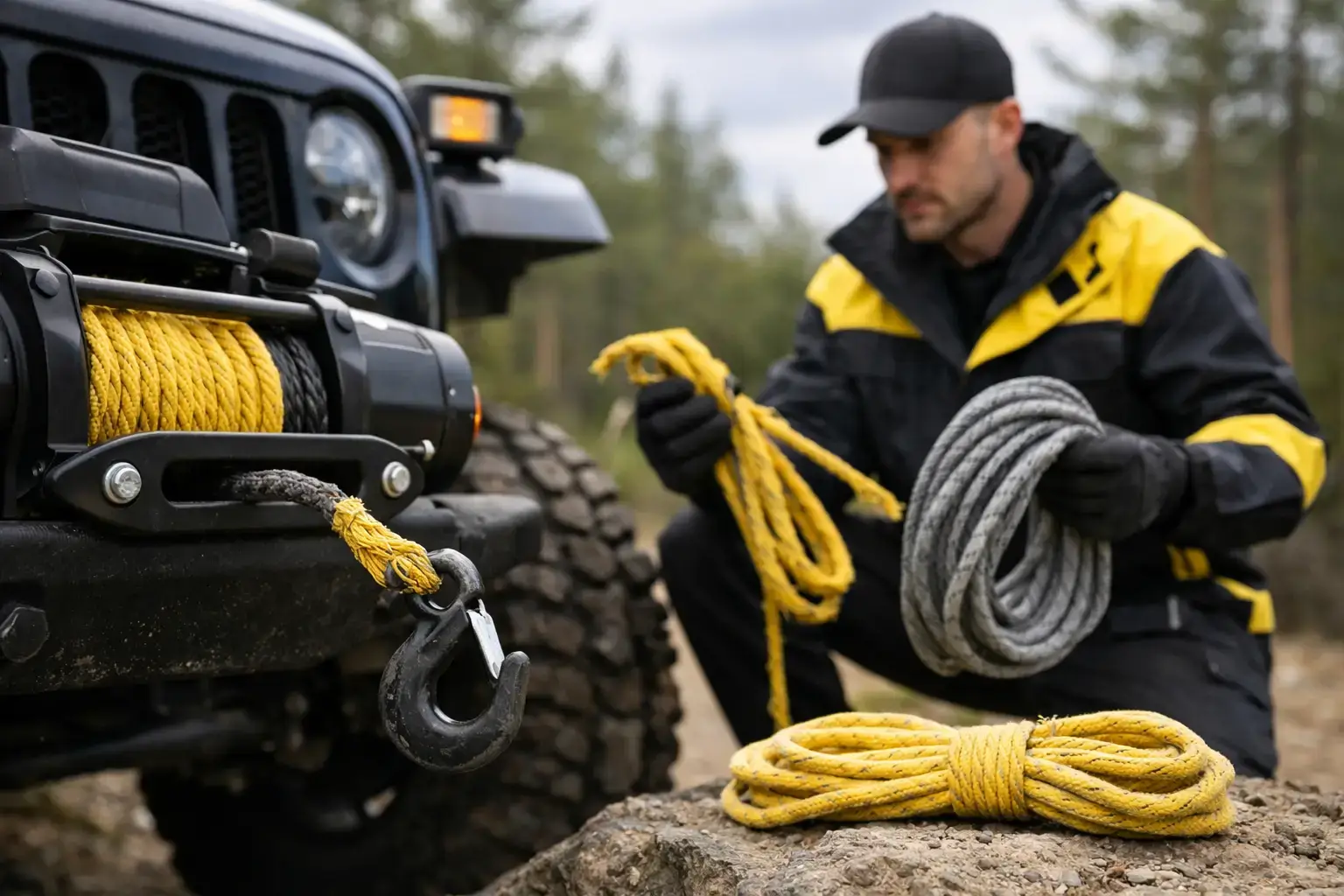
A recovery pull can be going perfectly until the rope starts to look fuzzy, flattened, or discolored near the fairlead. That is not cosmetic wear to ignore. If you are asking when should winch rope replace, the practical answer is before visible damage becomes a failed recovery. A winch rope is a working safety component, not a fit-and-forget accessory.
For off-road recovery, forestry work, trailers, and property maintenance, a sound rope helps the winch pull at its rated capability. A worn rope adds uncertainty when the vehicle is stuck, the load is uneven, or the weather is cold and wet. Inspect it regularly, retire it when damage is meaningful, and fit a replacement that matches the winch and the job.
When Should You Replace Winch Rope?
Replace synthetic winch rope immediately if you find a cut that reaches deep into the fibers, a section that is severely flattened, melted fibers, a hard glazed surface, or a knot that cannot be safely removed. These conditions reduce strength in ways that are difficult to measure in the field. Do not assume the undamaged-looking part of the rope will compensate for a weak section.
Light surface fuzzing is more common and does not always mean the rope is finished. Synthetic rope naturally develops a slightly hairy appearance over time, especially after use through mud, sand, brush, and rough recovery points. The decision depends on depth and location. A few loose outer fibers on an otherwise round, flexible rope may be manageable, while deep abrasion close to the hook, drum, or fairlead deserves immediate attention.
Also replace the rope after a serious shock load. Winch recoveries should be slow, controlled pulls. If a rope has been subjected to a hard snatch, sudden load release, or violent jerk from poor recovery technique, internal fibers may have been overloaded even when the outside looks acceptable. When there is doubt after an extreme event, replacing the rope is the safer and more cost-effective decision.
The Warning Signs That Matter Most
A proper inspection starts with the entire rope pulled out under no load. Do not inspect only the first few feet near the hook. The lower wraps on the drum can hold moisture, grit, and damage that remains hidden until the rope is needed.
Look closely for these four conditions:
- Cuts and deep abrasion: Any cut that exposes or removes a meaningful amount of fiber is a reason to retire the rope. Damage from sharp rocks, metal edges, or a damaged fairlead can progress quickly under load.
- Heat damage: Synthetic rope can be weakened by heat from the winch drum, hot exhaust components, or friction. Glossy, fused, stiff, or discolored fibers are warning signs.
- Flattened or crushed sections: A rope should retain a consistent round shape. Flattening can indicate internal damage, over-wrapping problems, or crushing between layers on the drum.
- Contamination and stiffness: Mud, sand, salt, chemicals, and embedded grit wear fibers from inside the braid. If cleaning does not restore flexibility, replacement is usually the right call.
Pay special attention to the first layer on the drum and the working end near the hook. The rope may spend most of its life wrapped on the drum, but the outer working section is exposed to trees, rocks, shackles, and recovery straps. Both areas fail for different reasons.
Age Is Less Important Than Use and Storage
There is no universal calendar interval for replacing winch rope. A lightly used rope on a properly stored vehicle can remain serviceable for years. A rope used frequently in wet forest tracks, construction areas, coastal conditions, or winter recovery may need replacement much sooner.
Usage patterns matter more than the purchase date. Repeated full-load pulls, side pulls, steep angles, and long winching sessions create more wear than occasional straight-line recovery. So does leaving a vehicle outside year-round with the rope exposed to sunlight, rain, road salt, and temperature swings.
Ultraviolet exposure gradually degrades synthetic fibers. A winch cover helps protect the rope from sunlight and dirt when the vehicle is parked. It will not repair existing damage, but it can slow unnecessary aging. After muddy use, rinse the rope with clean water, extend it to dry, and rewind it evenly. Packing wet, dirty rope tightly onto the drum traps abrasive material where you cannot see it.
Check the Fairlead Before Fitting New Rope
A new rope will not stay new if the fairlead is damaged. Run a gloved hand carefully along the fairlead opening and inspect it for grooves, sharp edges, corrosion, or chipped surfaces. Any rough point can cut synthetic rope under tension.
Synthetic rope should be used with a smooth aluminum hawse fairlead or a roller fairlead confirmed by the manufacturer as suitable for synthetic line. Roller fairleads designed for steel cable can develop burrs and may not be the best choice for synthetic rope. If changing from steel cable to synthetic rope, inspect the complete setup instead of treating the rope as the only component that matters.
The hook, thimble, recovery strap, shackles, and anchor points deserve the same standard. There is little value in fitting a fresh, correctly rated rope if the recovery connection is bent, corroded, or too weak for the load.
Choosing the Right Replacement Rope
Match the replacement rope to your winch’s rated line pull, drum capacity, and manufacturer requirements. Diameter alone is not enough. A thicker rope may offer higher breaking strength, but it also takes more space on the drum. If too much line is fitted, the top layers can crowd the drum, rub against the winch housing, or spool unevenly.
Length is a trade-off as well. More rope gives reach, but it increases the amount of line on the drum and can affect spooling. For many vehicle recovery setups, the correct replacement is the same diameter and length as the original line. If you are changing specifications, first confirm the drum capacity and the minimum recommended breaking strength for the winch.
Use a rope with a rated strength appropriate for the winch, not simply the highest number available. The complete recovery system must be matched. That includes the hook, thimble, soft shackle or bow shackle, tree saver strap, snatch block, and vehicle recovery points. A stronger rope does not make an unsafe anchor point safe.
Champion Baltics carries work-ready winch accessories and replacement items for owners who maintain equipment for real recovery work, not just appearance. Select parts by fitment, rating, and intended use, then inspect the full system before heading into the field.
Install and Spool It Correctly
Correct installation prevents early damage. Secure the rope to the drum exactly as the winch manufacturer specifies. The drum anchor is designed to retain the line during winding, not to carry the full pulling load. Always leave the recommended number of wraps on the drum during a pull so the load is held by friction between rope layers.
After installation, tension the rope onto the drum neatly. Wear gloves, keep hands away from the fairlead and drum, and use a controlled load while rewinding. A gentle slope with the vehicle secured, or a suitable stationary anchor, can provide enough resistance to seat the layers. Crossed, loose wraps can bury under load and crush or damage the rope.
During normal use, avoid side pulling whenever possible. Reposition the vehicle, use a snatch block, or choose a better anchor to keep the rope feeding straight through the fairlead. This protects the rope and improves the winch’s working efficiency.
A Simple Inspection Routine Before Recovery
Before any serious pull, unspool enough line to inspect the working section, check the hook and safety latch, and confirm the fairlead is smooth. During the recovery, keep people clear of the line path and use a rated recovery damper where appropriate. Stop if the rope begins to stack badly on one side of the drum or if you hear unusual winch noise.
Afterward, clean off mud and grit, look for fresh damage, and rewind the rope under light tension. This routine takes only a few minutes and often reveals problems early, when replacement is a planned maintenance job instead of a breakdown in bad weather.
A winch is there for the moment traction, weather, and distance work against you. Give the rope the same attention you give the winch motor and recovery points, and it will be ready to work when getting unstuck is no longer optional.
