





Blog
Pump Cavitation Causes and How to Stop Them

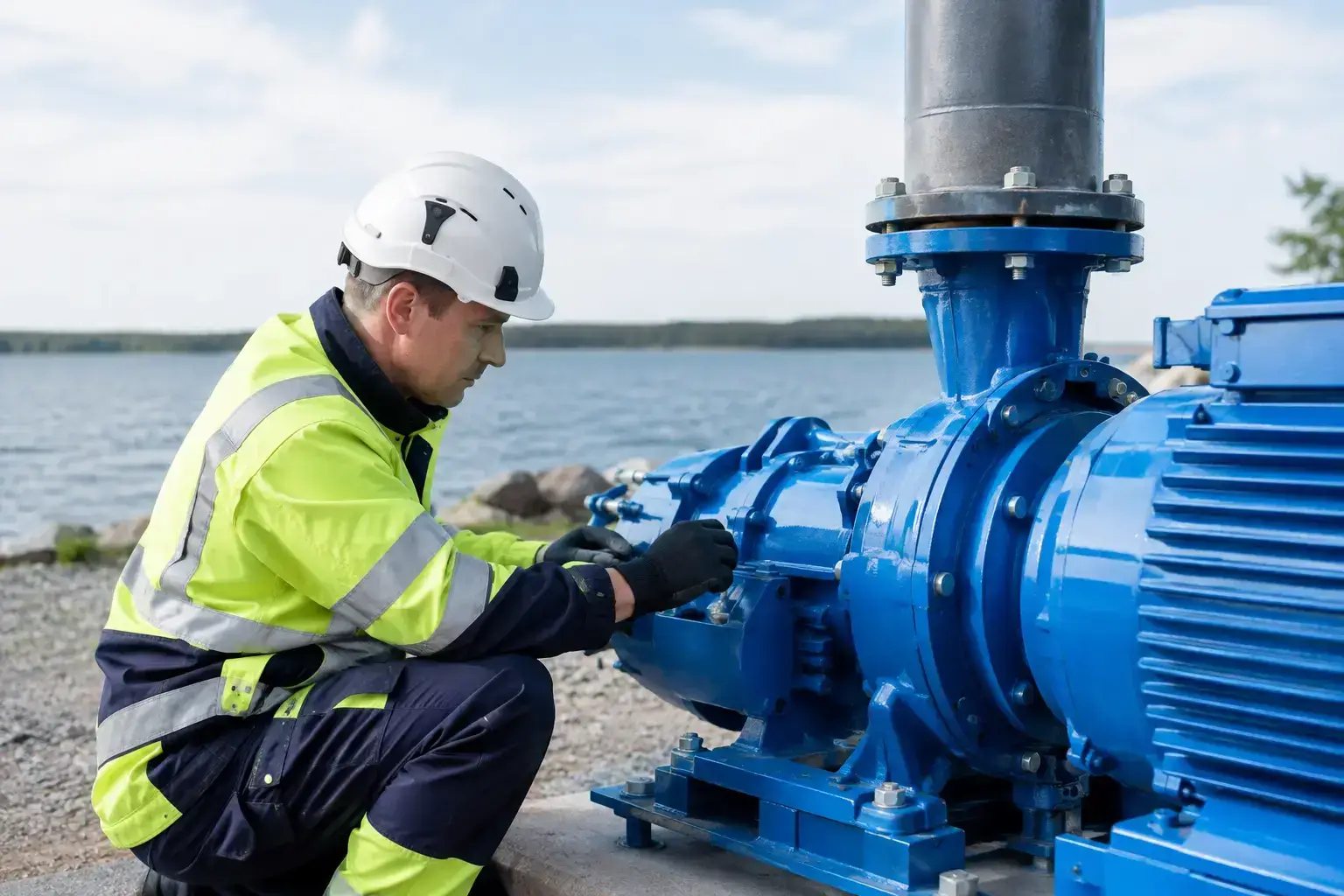
A water pump can sound like it is pumping gravel long before it stops moving water. That sharp rattling, popping, or rumbling is often the first warning of cavitation. Understanding pump cavitation causes helps protect the impeller, seals, engine, and the job at hand – whether you are draining a flooded property, moving water for irrigation, or supplying a remote worksite.
Cavitation is not a minor noise to ignore. Left alone, it can reduce flow, create vibration, wear away metal components, and shorten the working life of a pump. The good news is that most cases come back to a few operating conditions that can be checked and corrected in the field.
What Pump Cavitation Actually Is
Cavitation happens when pressure at the pump inlet drops low enough for liquid to form vapor bubbles. As those bubbles move into the higher-pressure area inside the pump, they collapse violently. The collapse creates tiny shock waves against the impeller and pump housing.
You may hear a crackling sound, notice unstable discharge flow, or see the pump vibrate more than usual. In severe cases, the impeller develops a rough, pitted surface that looks as if it has been blasted with sand. Performance drops because the pump is no longer moving a solid column of water efficiently.
A pump does not need to be old or poorly made to cavitate. Even a dependable portable water pump can develop the problem when suction conditions, water temperature, hose selection, or operating speed are wrong.
The Most Common Pump Cavitation Causes
Excessive suction lift
Portable pumps pull water up to the inlet rather than pushing it from the source. Atmospheric pressure does most of that work, which means there is a hard limit to how high water can be lifted. The closer the pump sits to that limit, the less pressure remains at the inlet and the greater the cavitation risk.
In real working conditions, suction lift should be kept comfortably below the theoretical maximum. Hose friction, fittings, altitude, water temperature, and a clogged strainer all reduce the margin. Place the pump as close to the water source as safely possible. A short vertical lift is far easier on the pump than setting it on a high bank and expecting it to pull water uphill.
A suction hose that is too long, too small, or damaged
The suction side matters more than many operators expect. A long hose adds friction loss. A hose with an inside diameter smaller than the pump inlet restricts water before it reaches the impeller. Both conditions lower inlet pressure and can trigger cavitation.
Use a reinforced suction hose sized for the pump inlet. Do not substitute a soft discharge hose on the suction side. Under vacuum, a non-reinforced hose can collapse internally, starving the pump even when it appears normal from the outside. Keep the suction run short, straight, and free of unnecessary elbows or reducers.
Air leaks on the suction side
A discharge-side leak usually makes a mess. A suction-side leak may be much harder to spot because it can pull air in without leaking water out. That air breaks the vacuum needed for steady water flow and can create symptoms that resemble cavitation or make actual cavitation worse.
Check every suction connection, gasket, clamp, adapter, drain plug, and pump cover seal. Inspect hose ends for cuts and make sure threaded fittings are properly seated. If the pump loses prime after shutdown or the discharge surges after it starts, an air leak is a strong possibility.
Blocked strainers and restricted intake points
A suction strainer protects the pump from stones, leaves, roots, and debris. It also needs enough open area for the pump’s flow requirement. A blocked strainer creates a restriction before water reaches the inlet, lowering available pressure and raising cavitation risk.
Keep the strainer fully submerged and clear it regularly when working in muddy ponds, ditches, floodwater, or shallow drainage channels. Avoid laying it directly in silt. Raising it slightly with a stable support can prevent the intake from sealing itself against mud. The goal is clean water access around the entire strainer, not just one exposed side.
Water that is too hot
Warm water turns to vapor at lower pressure than cold water. That means a pump that handles cold groundwater without trouble may cavitate when moving warm wash water, water from a heated system, or liquid that has been sitting in a sun-exposed tank.
The solution depends on the application. Lower the suction lift, shorten and enlarge the inlet line, reduce pump speed if the equipment allows it, or choose a pump rated for the liquid temperature. Standard clear-water portable pumps are not automatically suitable for hot-water transfer.
Running the pump too fast or outside its intended duty point
More engine speed does not always mean better pumping. Higher speed increases flow demand at the inlet. If the source, hose, or fittings cannot supply that water volume, inlet pressure falls and cavitation starts.
This is especially relevant when an engine throttle is set at maximum for a job that does not require full output. Run the pump at the speed needed to achieve the required flow and head, not simply at full throttle by default. Check the pump specifications for maximum flow, maximum head, and recommended hose size before matching it to a long transfer run.
Poor source conditions
A shallow source can create a vortex that pulls air into the suction line. Water with foam, heavy aeration, or suspended debris can also make stable pumping difficult. If water level falls during operation, a strainer that was safely submerged at startup may begin drawing air later.
Watch the water source, not only the discharge hose. Keep the intake deep enough to avoid surface whirlpools, but off the bottom to avoid sediment. For extended drainage jobs, reposition the strainer as water levels change.
How to Tell Cavitation From Other Pump Problems
Cavitation has a distinctive sound, but diagnosis should not rely on noise alone. Low flow can also come from an unprimed pump, a blocked discharge hose, a worn impeller, or an engine that is not reaching operating speed.
Start with the simple checks. Confirm the pump is properly primed, the suction hose is airtight, and the strainer is clear and submerged. Then inspect the hose route for sharp bends, flattening, or unnecessary length. If the pump improves after lowering it closer to the water source, the issue was likely suction lift or inlet restriction.
Do not continue operating a pump that is rattling heavily or delivering a pulsing discharge. Shut it down, let it cool if necessary, and correct the inlet condition before restarting. Running through cavitation can turn a hose setup problem into an impeller and seal repair.
A Field Checklist Before Starting the Pump
Before each job, set up for strong inlet conditions. Keep the pump on stable, level ground near the water. Use a reinforced suction hose matched to the inlet size, with tight fittings and an undamaged gasket. Fit a clean strainer and keep it underwater without burying it in mud.
Prime the pump fully according to its instructions before starting. Once it is running, check for steady discharge flow and listen for abnormal rattling. If the flow drops as the job continues, inspect the strainer and water level before assuming the pump has failed.
For long-distance transfer, remember that discharge length and elevation affect overall performance, while suction restrictions are particularly unforgiving. It is often better to place the pump near the water and use a longer discharge hose than to use an excessively long suction hose.
Prevent Damage Before It Starts
The best defense against cavitation is choosing the right pump and setting it up correctly for the water source. A clear-water pump, trash pump, high-head pump, and chemical-transfer pump are built for different fluids and operating conditions. Using the right category matters as much as engine power.
Keep spare inlet gaskets, hose clamps, strainers, and service items on hand for equipment used in regular drainage, property maintenance, or field work. These small parts have a direct effect on suction performance, and replacing a worn seal is cheaper than replacing a damaged impeller.
When a pump starts sounding rough, treat it as a working warning, not background noise. A few minutes spent lowering the pump, clearing the intake, or tightening a fitting can keep water moving when the job cannot wait.