






Blog
How to Use Portable Power Station Right

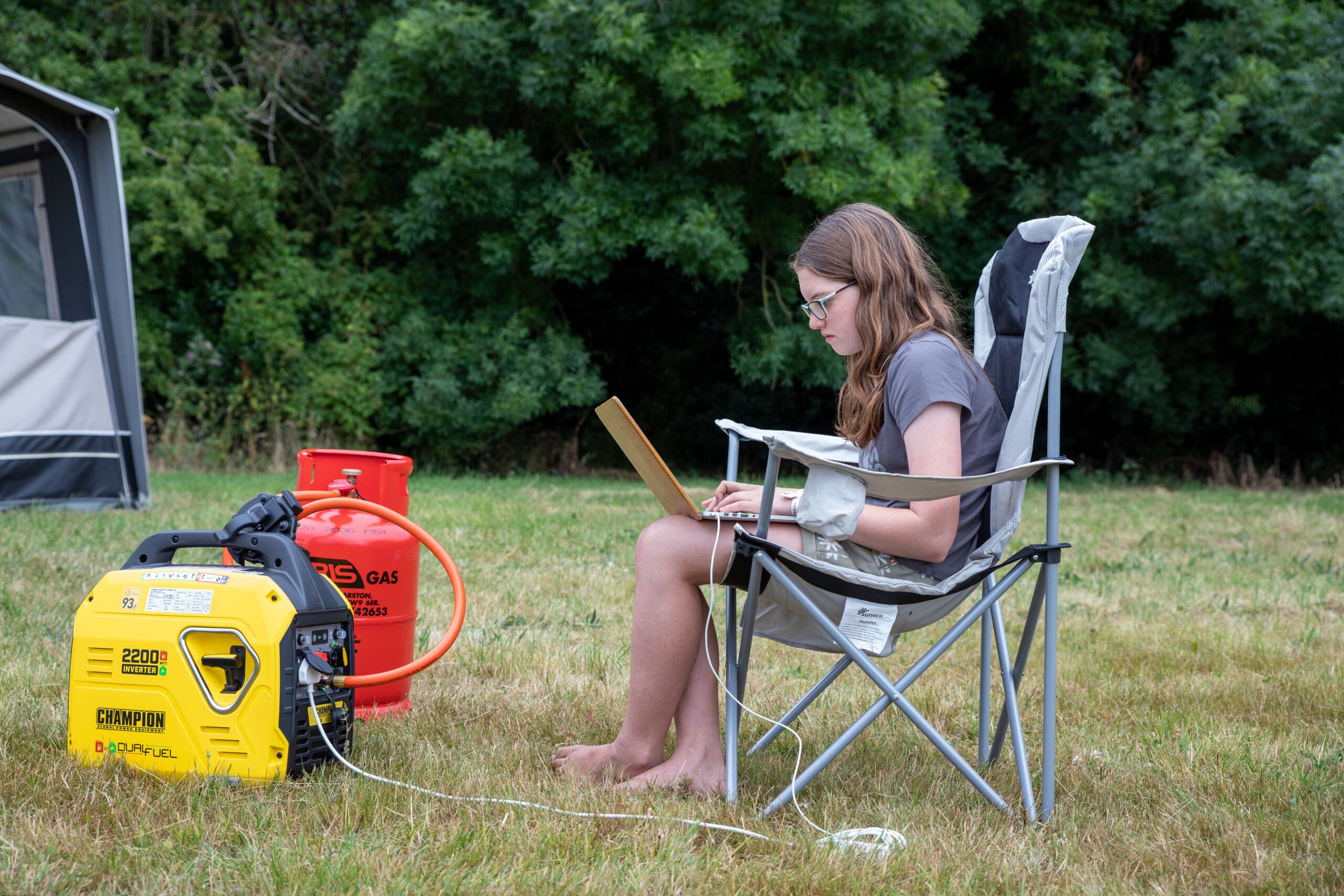
A portable power station earns its keep when the lights go out, the jobsite has no outlet, or you need quiet power away from home. If you are learning how to use portable power station equipment for the first time, the goal is simple: match the right output to the right device, use the correct ports, and avoid draining the battery faster than expected.
Unlike a fuel generator, a portable power station stores electricity in an internal battery and delivers it through AC outlets, USB ports, and often 12V outputs. That makes it clean, quiet, and easy to use indoors for many applications. It also means you need to think in terms of battery capacity, inverter limits, and recharge time – not just runtime on a tank of fuel.
How to use portable power station safely from the start
Start with the manual for your specific unit. That is not filler advice. Output limits, charging options, low-temperature behavior, and port layouts vary from one model to another, and those details matter when you are powering expensive tools or essential home equipment.
Before the first use, fully charge the unit. Most power stations ship with a partial charge, but a full charge helps you verify that the display, charger, and battery are working normally. It also gives you a realistic baseline for runtime once you start plugging in devices.
Set the unit on a flat, dry surface with clear airflow around the vents. Even though portable power stations run far quieter than generators, they still create heat when charging or delivering higher loads. Do not bury one in a gear pile, leave it in standing water, or press it tight against a wall in a hot room.
If you are using it indoors during a power outage, keep it in a spot where cords will not become a trip hazard. If you are using it outdoors, protect it from direct rain, mud, and blowing dust unless the model is specifically rated for that environment.
Know the three numbers that matter
Most user mistakes come down to ignoring the numbers on the label. You need to understand battery capacity, continuous output, and surge output.
Battery capacity is usually shown in watt-hours. This tells you how much stored energy the unit has. A 500Wh model can theoretically run a 50W device for about 10 hours, but real-world runtime will be lower because of inverter losses, temperature, and battery management.
Continuous output is the amount of power the station can deliver steadily. If your power station is rated for 600 watts continuous, do not run a 900-watt heater on it and expect a good result. The unit will either shut down or overload.
Surge output matters for devices with motors or compressors. A fridge, pump, or power tool may need a higher startup load for a second or two before settling down. If the surge requirement is above what the power station can handle, the device may not start at all.
Match the device to the right port
One of the easiest ways to get better runtime is to use the lowest-loss output available. If your phone, tablet, headlamp, or radio can charge through USB, use the USB port instead of plugging a wall charger into the AC outlet. AC conversion wastes some power.
Use the AC outlets for appliances, chargers, and tools that require household-style current. Use 12V outputs for gear designed for vehicle sockets, such as certain coolers, air pumps, or field electronics. The right port reduces conversion losses and keeps your setup cleaner.
It is also smart to turn on only the output section you need. Many power stations let you activate AC, DC, and USB separately. If you are only charging phones overnight, leave the AC inverter off. That saves battery.
How to use portable power station for home backup
A portable power station works best for selective backup, not whole-house power. Think essentials: phone charging, internet gear, LED lighting, laptops, medical devices within the unit’s rating, and in some cases a router, TV, or small fan. Larger stations may support a refrigerator for a period of time, but you need to check both startup wattage and expected runtime.
This is where a lot of buyers get tripped up. A refrigerator may average moderate power once running, but the compressor startup can be much higher. The same applies to sump pumps, freezers, and some workshop tools. Check the appliance label and, if possible, measure real consumption with a watt meter before an emergency happens.
Avoid high-draw resistance loads unless you know the station is sized for them. Space heaters, kettles, hot plates, hair dryers, and coffee makers can empty a battery fast even if they technically run. Quiet battery power is excellent for electronics and light-duty essentials, but it is not the most practical way to create heat.
If you need longer backup for heavier loads, a fuel generator is often the better fit. If you need silent indoor-safe power for electronics and short outages, a power station is hard to beat. For many users, it is not either-or. It depends on what must stay running and for how long.
Using a portable power station on the road or at camp
In mobile use, efficiency matters more than anything. Start by charging your small devices directly through USB. Use LED lights instead of larger AC lamps. If you are powering a cooler, CPAP, drone batteries, camera gear, or communications equipment, build your charging plan around daylight and driving time.
Many units can recharge from a vehicle’s 12V socket, but that is usually slower than wall charging. Solar input can be useful for extended off-grid use, but weather, panel angle, and daylight hours make a big difference. In northern conditions or during winter, solar charging may be more limited than many people expect.
Cold weather also affects battery performance. Runtime can drop when temperatures fall, and charging restrictions may apply on some battery chemistries when the unit is too cold. If you are operating in freezing conditions, keep the station insulated from the ground, store it in a vehicle cab or sheltered area when possible, and warm it before charging if the manufacturer recommends it.
Charging the power station properly
Recharge after each serious use, not weeks later. Leaving any battery deeply discharged for extended periods can shorten service life. For occasional emergency backup, top the unit up on a schedule so it is ready when needed.
Most power stations can be charged from AC wall power, a car charger, solar panels, or sometimes a combination of methods. Wall charging is usually the fastest and most predictable. Vehicle charging is useful in transit. Solar is valuable when grid power is unavailable, but panel compatibility and actual charging speed need to be verified.
Do not use random third-party chargers unless they match the required voltage and current exactly. Using the wrong charger can damage the battery management system or create unreliable charging behavior.
For storage, follow the battery care guidance from the manufacturer. Many units prefer partial charge for long-term storage rather than sitting at 100 percent for months. If the power station is part of your outage kit, check charge level regularly and cycle it often enough to confirm it is working.
Common mistakes that shorten runtime or cause trouble
The biggest mistake is overestimating what a power station can run. Marketing photos often show coffee makers, electric grills, and power tools, but real runtime on high-load equipment may be short. Look past the picture and do the math.
Another common problem is ignoring idle drain. If the AC inverter is switched on with nothing connected, some units still use power. Over many hours, that can matter.
Poor cable discipline causes trouble too. Long, light-duty extension cords can introduce voltage drop, clutter, and heat. Keep cables appropriate for the load and as short as practical.
Finally, do not treat a portable power station like a fuel can with wires. It is an electrical system with a battery, inverter, charge controller, and protection features. Respect the limits, and it will be far more dependable when you need it most.
When a portable power station is the right tool
A portable power station is the right call when you need quiet operation, indoor-safe use, easy transport, and reliable power for electronics, light appliances, and mobile equipment. It is especially useful for short outages, vehicle-based travel, field work, and places where fuel storage, noise, or exhaust are a problem.
If your priority is long runtime, heavy startup loads, or all-day support for larger appliances, step back and size the job honestly. Sometimes a battery station is perfect. Sometimes a generator is the better workhorse. The smartest setup is the one that fits the real load, the real weather, and the real consequences of running out of power.
A good power plan is not about buying the biggest box. It is about knowing what you need to keep running, how long it needs to run, and using your equipment with enough margin to stay ready when conditions turn against you.
