






Blog
How to Charge Portable Power Station Right

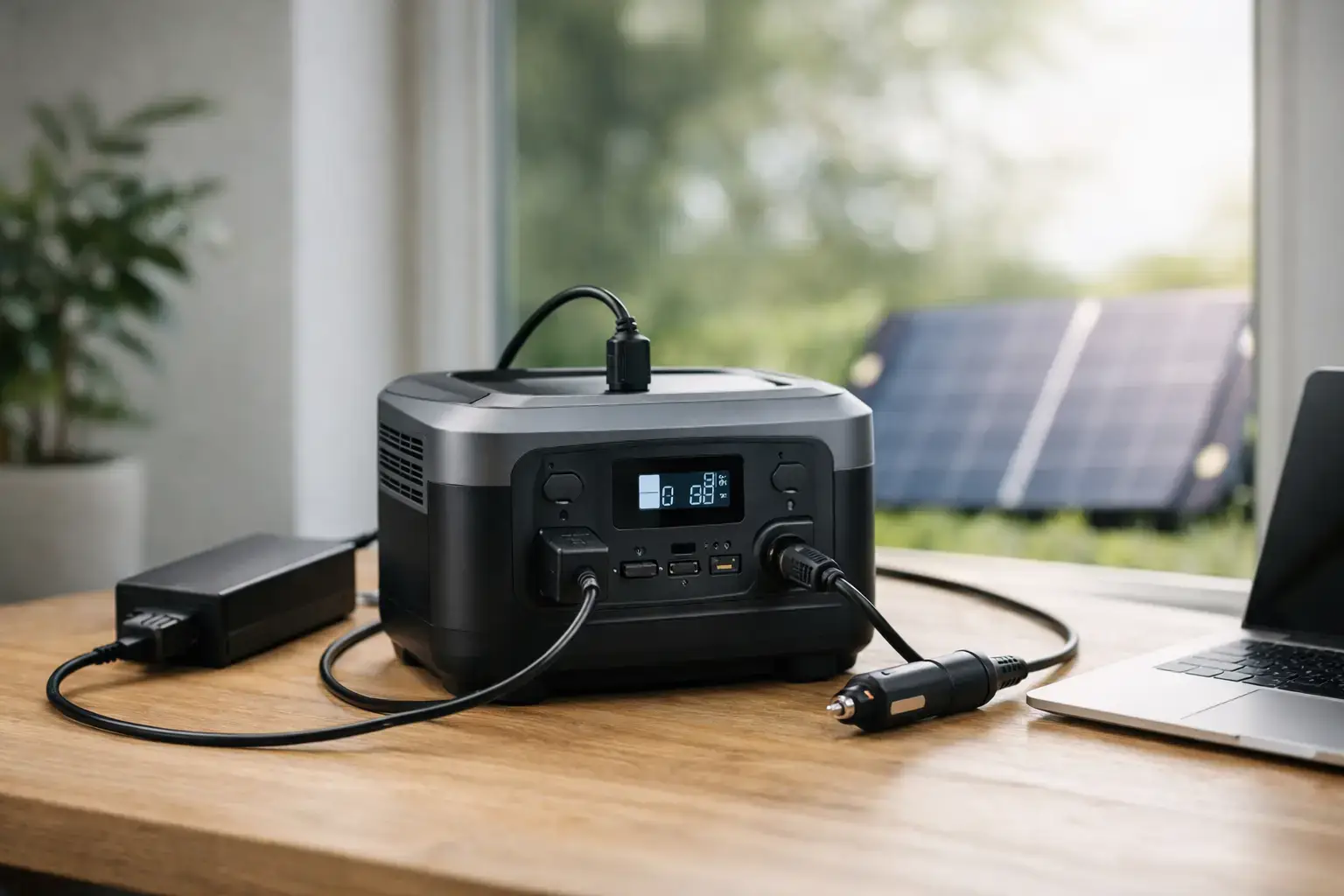
A portable power station that sits half-charged in the corner is not backup power – it is a problem waiting for bad timing. If you are figuring out how to charge portable power station units the right way, the goal is simple: charge faster when you need speed, charge safely every time, and avoid habits that shorten battery life.
That matters whether you keep one for home backup, run tools away from a building, or depend on it in the field. Charging is not complicated, but the best method depends on the battery chemistry, the input options on your unit, the weather, and how quickly you need it ready.
How to charge portable power station safely
Start with the manual for your exact model. Input voltage limits, charging ports, and temperature ranges vary, and those details matter more than generic advice. A unit built for AC wall charging, 12V vehicle charging, and regulated solar input needs the correct cable and the correct source every time.
Before charging, place the power station on a dry, stable surface with airflow around the vents. Do not wedge it into a cabinet, toss a jacket over it, or leave it in direct summer sun while charging. Heat is one of the fastest ways to stress a battery, and cold can slow charging or stop it altogether depending on the battery management system.
Check the battery percentage, inspect the charging cable for damage, and confirm the input port is clean. If the unit has been stored in freezing conditions, let it warm up to a safe operating temperature before plugging it in. That is especially relevant in cold-weather use, where equipment may be reliable outdoors but still require proper battery temperature for charging.
Charging from a wall outlet
For most owners, AC wall charging is the main method because it is predictable and usually the fastest. Plug the factory charger or approved AC cable into the power station first, then connect it to a standard wall outlet. On many models, the display will show input wattage and estimated charging time within a few seconds.
If your unit supports fast charging, it may pull high input wattage and finish much sooner than older power stations. That is useful before a storm, before travel, or when you need to turn the unit around quickly between jobs. The trade-off is heat. Fast charging is convenient, but slower charging can be gentler on the battery over the long term if time is not critical.
Do not use damaged extension cords, overloaded power strips, or off-brand chargers with unknown output. A power station is not the place to save a few dollars on charging hardware. Stable input power and the right charger help protect the battery management system and reduce the chance of faults.
When AC charging makes the most sense
AC charging is the best fit when you need dependable speed indoors, especially before an outage or after heavy use. It is also the easiest way to top off a unit monthly during storage. If your power station is part of an emergency setup, wall charging is usually the baseline method that keeps it ready.
Charging with solar panels
Solar charging is where portable power stations become more than backup boxes. It lets you recover power off-grid, keep equipment running longer, and stay independent during longer outages. But solar is also the method with the most variables.
To charge from solar, connect compatible panels to the solar input using the correct connectors and stay within the unit’s accepted voltage and wattage range. More panel power does not always mean more charging speed if the power station has a lower solar input cap. Panel setup needs to match what the unit can actually accept.
Good sunlight, proper panel angle, and no shading make a major difference. A panel partly shaded by a branch, roof edge, or vehicle can lose a surprising amount of output. In real use, solar charging speed can swing widely across the day, and cloudy weather will cut performance further.
For field work, camping, remote properties, or long emergency use, solar is valuable because it extends runtime without fuel. The trade-off is consistency. Unlike AC charging, solar depends on weather, season, and setup quality. In northern climates, winter daylight and low sun angle can reduce charging time from practical to frustrating.
Solar charging tips that actually help
Keep panels clean, angle them toward the sun, and reposition them as the sun moves if you need better output. Use short, correct cables where possible to reduce losses. If your power station supports MPPT charging, that helps maximize solar input, but it still cannot fix poor panel placement or weak sun.
If speed matters, check both panel wattage and the station’s max solar input. A mismatch there is common. People add more panels and expect faster charging, but the unit may already be at its input limit.
Charging from a vehicle
Car charging is the practical backup method when you are on the move. Most portable power stations can charge from a 12V vehicle socket, and some can use higher-voltage vehicle systems or dedicated alternator charging setups. For standard users, the included car charging cable is the usual route.
Connect the cable to the vehicle outlet and the power station input, then start the vehicle if the manufacturer recommends it. Charging from a vehicle is normally much slower than AC charging. It works best for topping up while driving rather than recovering a deeply drained battery in a short stop.
This method is useful for road trips, off-road travel, service calls, and moving between job sites. It is also a sensible fallback if grid power is down and solar conditions are poor. The limitation is speed. If you need a full battery quickly, vehicle charging is rarely the best answer.
Be careful not to drain the starter battery by charging a power station for long periods with the engine off. That can leave you with two dead systems instead of one working setup.
Can you charge and use a portable power station at the same time?
In many cases, yes. This is often called pass-through charging. It allows the unit to take in power while also running connected devices. That can be useful for keeping phones, routers, lights, or low-draw equipment online while the station recharges.
Still, whether it is a good idea depends on the load and the charging source. If your incoming charge is low and your connected devices are drawing heavily, the battery may still discharge. Some units also manage heat differently when charging and discharging at the same time.
For sensitive or mission-critical use, test this setup before you depend on it. A feature listed on the box is not the same as a field-proven setup under real load.
Best charging habits for longer battery life
If you use your power station hard, battery care matters. The fastest way to reduce lifespan is repeated heat stress, deep discharge, and long storage at the wrong charge level.
For routine use, avoid running the battery to absolute zero unless necessary. Many modern battery systems protect themselves before true zero, but regularly draining to the bottom still adds wear. It is generally better to recharge before the battery is fully depleted.
For storage, many manufacturers recommend keeping the battery around a mid-range charge rather than leaving it empty or at 100% for months. Check the unit every month or two and top it up if needed. If you store it in a garage, workshop, cabin, or service vehicle, protect it from extreme heat and freezing temperatures.
Battery chemistry matters here. LiFePO4 models usually tolerate more charge cycles and tend to be a better fit for frequent use, while other lithium chemistries may prioritize lower weight or compact size. Neither type benefits from careless storage.
Common mistakes when charging a portable power station
One of the biggest mistakes is ignoring temperature. Charging a cold-soaked battery right away can trigger protection modes or, in some systems, cause long-term damage. The second is using the wrong charger or connector because it almost fits. Almost is not good enough with power equipment.
Another common problem is assuming the display percentage tells the full story. Some power stations need a little time to balance and update after charging. If the unit seems to charge unusually slowly or stops early, check the input source, cable condition, temperature, and settings before assuming the battery is failing.
Solar users often make a different mistake: they judge the panel by rated wattage instead of real conditions. A 200W panel does not produce 200W all day. Clouds, angle, dirt, cable loss, and season all cut output.
Which charging method should you use?
If you need speed and predictability, use AC wall charging. If you need off-grid recovery, use solar. If you are moving between locations and want a top-up on the way, use vehicle charging.
A lot of owners end up using all three depending on the job. That is the practical answer. Portable power is about flexibility, and the right charging method changes with the situation.
The best setup is the one you have tested before you need it. Charge the station, run a few real loads, check recharge time from each source, and learn how the unit behaves in your conditions. When the lights go out or the work site has no power, that preparation matters more than any spec sheet.
