





Blog
How to Choose Portable Power Station Right

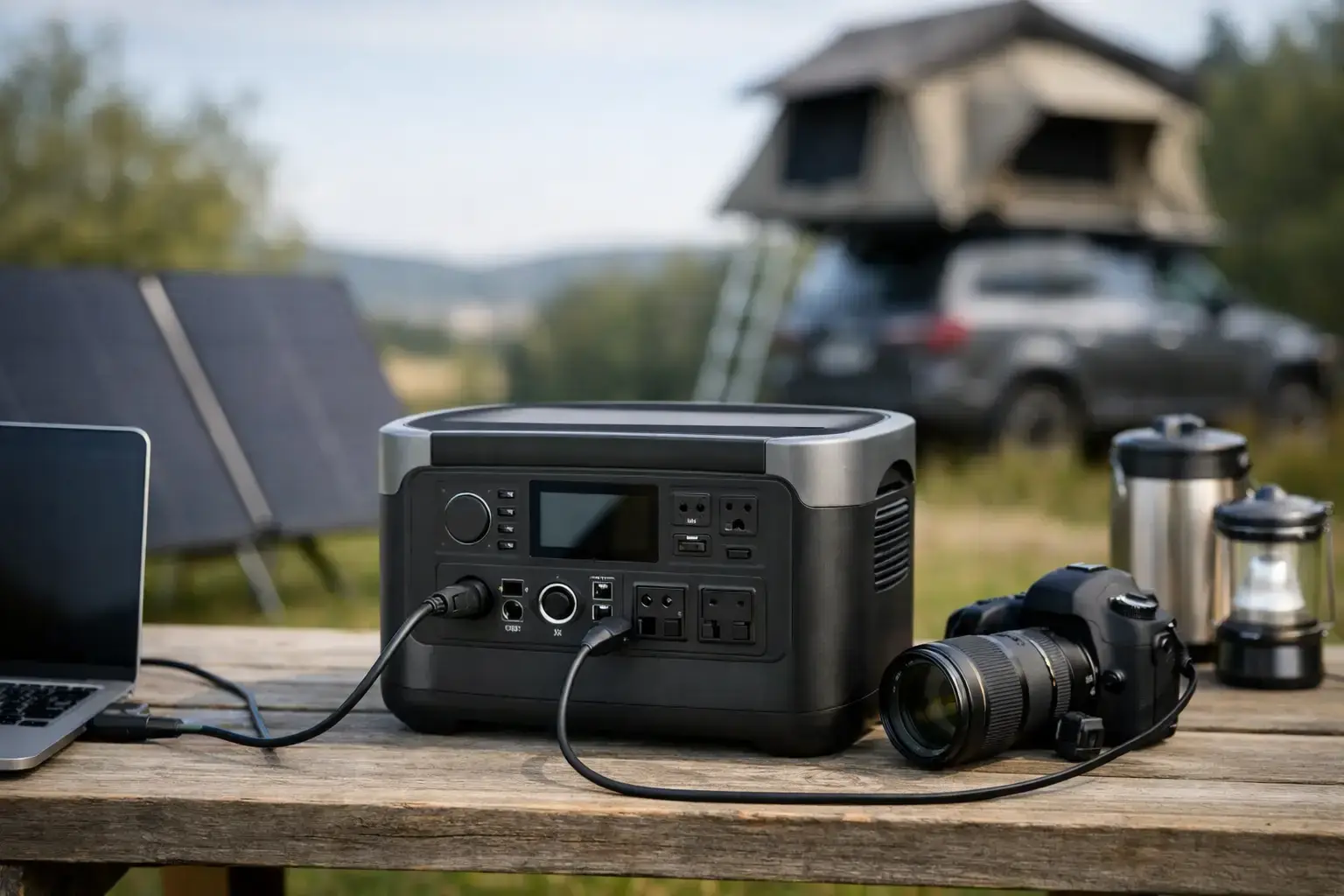
A portable power station that looks great on paper can still let you down fast – not enough output for your tools, not enough battery for the night, or not enough ports when you need to keep several devices running. If you are figuring out how to choose portable power station models for home backup, outdoor work, overlanding, or emergency use, the right approach is simple: match the unit to the job, not the marketing.
How to choose portable power station for real use
Start with the equipment you actually need to run. That sounds obvious, but most buying mistakes happen when people shop by battery size alone and ignore output limits, surge demand, charging speed, and operating conditions.
A portable power station is best understood as three things at once: a battery, an inverter, and a charging hub. Battery capacity tells you how long it can run. Inverter output tells you what it can run. The input side tells you how quickly you can recharge it from the wall, a vehicle, or solar. If one of those three is undersized, the whole setup feels weak in real use.
For phone charging and light electronics, almost any unit will work. For refrigerators, power tools, pumps, heated gear, and longer outages, the details matter a lot more.
Start with wattage, not battery size
The first question is not “How many watt-hours do I need?” It is “What am I powering at the same time?”
Every device has a running watt requirement, and some also have a higher startup surge. A laptop might draw 60 watts. A small fridge may run at 100 to 200 watts but surge much higher when the compressor kicks on. A jobsite tool can be even more demanding. If the power station cannot handle that surge, it may shut down even if the battery is full.
Add up the running watts of everything you expect to use at once. Then check whether any item has a startup surge. Give yourself margin. A unit rated right at your calculated number is usually too tight for dependable field use.
As a working rule, light personal use sits at the low end. Think phones, tablets, lights, camera batteries, and a router. Mixed recreational use is the middle ground, where you may add a portable fridge, small TV, drone batteries, or a CPAP. Work and backup use move into higher output territory, especially if you need to support appliances with motors or tools that spike on startup.
Battery capacity decides runtime
Once output is covered, look at watt-hours. This is where runtime comes from.
A 500Wh unit can theoretically run a 100-watt device for about five hours. In real life, inverter losses and changing loads reduce that. Treat the math as a planning tool, not a promise. If you need overnight performance, always build in margin.
This is where use case matters. For short trips, tailgating, or charging electronics, a compact unit may be enough. For weekend cabin use, longer vehicle travel, or backup during outages, more battery quickly becomes worth it. If you want to run a fridge through the night or keep communications, lights, and small essentials going during an outage, small-capacity models can feel undersized fast.
Bigger battery is not automatically better, though. More capacity adds cost, weight, and charging time. If you move the unit often, that trade-off matters. A heavier station that stays in a garage for emergency backup is one thing. Carrying that same unit across a campsite, jobsite, or forest track is another.
Output ports matter more than people expect
A lot of buyers focus on the AC outlet count and ignore the rest. That can be a mistake.
Think about how you charge and run gear in practice. If most of your equipment uses USB-C, then fast USB-C output matters. If you are running a cooler, ham radio gear, air pump, or other vehicle-style devices, a 12V outlet becomes important. If you want to charge several items at once, spacing and port layout matter more than you might expect.
Also check whether the AC output is pure sine wave. For sensitive electronics, battery chargers, and some motor-driven equipment, pure sine wave is the safer choice. It helps reduce compatibility problems and gives more stable operation.
Charging speed changes how useful it feels
A portable power station is only as practical as its recharge time.
If the unit takes most of a day to refill from empty, that may be acceptable for occasional use at home. It is much less acceptable if you are relying on it every day in the field or during a multi-day outage. Fast AC charging is a major advantage when time and weather are working against you.
Vehicle charging can be useful, but it is usually much slower than wall charging. Solar charging adds flexibility, especially for off-grid use, but only if the input capacity is strong enough and the weather cooperates. In northern climates, winter daylight and cloud cover can limit real-world solar performance, so it should be treated as part of the plan, not the whole plan.
If preparedness is the goal, recharge options matter almost as much as battery size. A medium-size unit that recharges fast is often more useful than a giant one that takes too long to recover.
Weight, portability, and operating conditions
This is where buying decisions get more honest.
When people say they want a portable power station, they do not always mean the same thing. Some mean easy to move around a house. Others mean easy to carry to a remote work area, campsite, or vehicle. There is a big difference.
Look at the actual weight, handle design, and footprint. A unit that is technically portable may still be awkward to lift in and out of a truck. If you expect one-handed carry, compact size matters. If it will mostly stay in place, then capacity can take priority.
Operating conditions matter too. Cold weather affects battery performance, and that matters in the real world. If you plan to store or use the station in an unheated garage, vehicle, cabin, or outdoor setting, check the manufacturer guidance for charging and discharging temperatures. Equipment that performs well in mild weather can behave very differently when temperatures drop.
Safety and battery chemistry
Battery chemistry is not just a spec sheet detail. It affects cycle life, heat behavior, longevity, and how the station fits long-term ownership.
Many buyers now prefer LiFePO4 batteries because they usually offer longer cycle life and strong thermal stability. For people who expect regular use, that can be a smart investment. If you only need occasional emergency backup, other battery types may still be fine, but long-term value often favors the more durable chemistry.
Built-in protection matters as well. Look for over-voltage, overload, temperature, and short-circuit protection. Good battery management is not optional when you are powering important devices or using the unit in demanding conditions.
Match the power station to the job
For camping and travel, prioritize manageable weight, quiet operation, USB-C charging, and enough battery for lights, devices, and a cooler or small fridge if needed. For home backup, prioritize higher AC output, more battery capacity, and fast recharging. For work use, focus on surge handling, outlet selection, durability, and whether it can reliably support your chargers, tools, or diagnostic equipment.
For emergency readiness, think in terms of essentials, not whole-house replacement. A portable power station is excellent for communications, lighting, medical devices, routers, battery chargers, and selected small appliances. It is not the same thing as a larger generator-backed solution for major loads, long runtimes, or heavy equipment.
That distinction matters. If you need silent indoor-safe backup for electronics and essentials, a power station is a strong fit. If you need to run high-demand appliances for extended periods, you may be looking at a different class of equipment altogether.
Common buying mistakes to avoid
The most common mistake is buying too small because the unit is cheaper and easier to carry. The second is buying too big without thinking about weight and recharge time. Another frequent problem is ignoring startup surge, then wondering why a device trips the inverter.
People also underestimate how many things they want to charge at once. During outages and field work, outlet availability becomes a real issue quickly. Finally, many shoppers assume solar charging will solve everything. It helps, but real charging speed depends on panel size, weather, season, and input limits.
If you want one piece of buying advice that saves money and frustration, it is this: write down your actual loads, how long you need to run them, and where you will use the station. That short list will tell you more than any product label.
A good portable power station should feel ready, not just impressive. When the power is out, the truck is parked deep in the woods, or the job still needs finishing before dark, the right unit is the one that covers your real load with margin and gets back to full fast enough for the next round.
