



Blog
High Pressure Washer 4200 PSI: What It Can Do

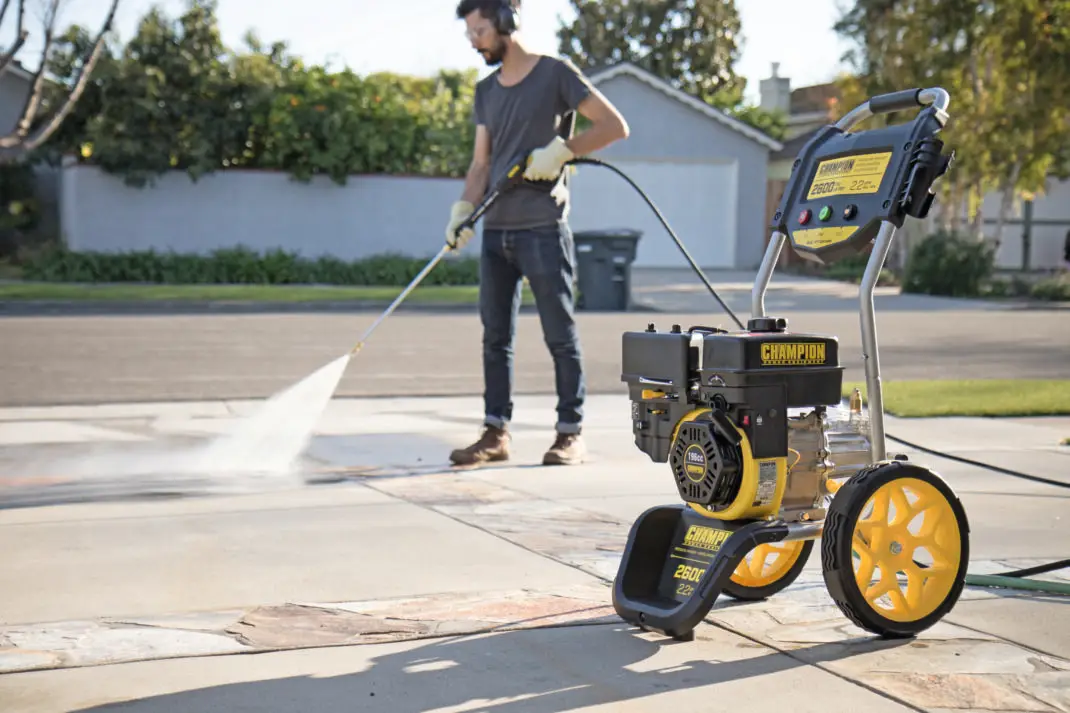
A high pressure washer 4200 psi sounds powerful on paper, but 4200 PSI sits at the light-duty end of the cleaning spectrum. It can rinse mud from boots, wash a bicycle, clean patio furniture, and freshen up dusty vehicles without the force of a full-size pressure washer. For deep driveway stains, moss-covered paving, heavy equipment, or neglected siding, it is usually not enough on its own.
That does not make a 4200 PSI unit a bad tool. It makes it a specific tool. The right choice depends on what you need cleaned, how often you use it, and whether portability matters more than maximum cleaning force.
What a High Pressure Washer 4200 PSI Is Built For
A 4200 PSI washer is commonly a compact cordless or portable unit. Many models draw water from a bucket, tank, lake, or other available water source through a hose. That gives it a major advantage over traditional electric and gas pressure washers: you are not tied to a faucet, extension cord, or heavy machine.
For landowners, campers, off-road drivers, and homeowners, that mobility is useful. Keep one in the vehicle to rinse mud from a mountain bike after a trail ride, wash salt from boots, clean garden tools before storing them, or rinse loose dirt from an ATV. It can also be a practical option for quick vehicle cleaning where a strong garden hose spray is not available.
The pressure is generally gentle enough for surfaces that can be damaged by stronger equipment. Painted panels, window screens, outdoor cushions, and delicate trim need care, but a low-pressure unit gives you more room for error than a 2,500 PSI gas washer.
Still, “gentle” does not mean harmless. A narrow spray pattern at close range can damage paint, force water into electrical connectors, or cut soft materials. Always test the spray from a safe distance before working across a visible surface.
PSI Is Only Half the Cleaning Story
PSI means pounds per square inch. It describes the force of water at the nozzle. Higher PSI helps break loose compacted soil, old grime, and surface growth. But pressure alone does not determine how quickly a washer cleans.
Water flow, normally measured in gallons per minute, matters just as much. Pressure breaks contamination free; flow carries it away. A compact 4200 PSI unit may have limited flow, which is fine for spot cleaning but slow across a large driveway or long fence.
Think of it this way: a 4200 PSI washer is good for controlled rinsing and small cleaning jobs. A higher-flow, higher-pressure unit is better for repeated property maintenance and large surfaces. If you need to clean a tractor, concrete pad, retaining wall, or several vehicles every week, buying too small often costs more time than it saves money.
Detergent also changes the result. On oily tools, road film, and organic dirt, applying the right cleaner and allowing a short dwell time can reduce the pressure needed. The washer then rinses away loosened dirt instead of trying to blast it off with force alone. Check that the detergent is suitable for the surface and that the washer supports detergent use.
Jobs a 4200 PSI Washer Handles Well
A 4200 PSI unit earns its place when the work is close, frequent, and mobile. It is especially useful for cleaning items before they bring dirt into a vehicle, shed, workshop, or home.
It can handle loose mud on bicycles, boots, gardening hand tools, camping gear, small outdoor furniture, wheel wells, and light dust on vehicles. It is also useful for rinsing a kayak, boat equipment, dog crates, and muddy strollers. For these jobs, a compact machine is faster to carry out than setting up a full-size washer.
Use a wider spray setting for painted vehicles and plastics. Keep the nozzle moving, avoid spraying directly into bearings, vents, seals, and electrical components, and work from top to bottom. For wheels and underbody areas, more pressure may be acceptable, but avoid holding the jet against rubber boots, decals, sensors, or worn paint.
A portable washer can be particularly useful in cold or rural conditions because it supports cleaning where water access is limited. However, do not leave water in the pump or hose when freezing weather is expected. Frozen water can crack internal components and shorten the life of the equipment.
Where 4200 PSI Falls Short
Some jobs require more than a light-duty machine can deliver. A 4200 PSI washer will struggle with set-in oil stains, blackened decking, thick moss, deeply stained concrete, old peeling paint, and compacted mud on agricultural equipment. It may eventually improve the surface, but the job can become slow and frustrating.
For regular driveway, patio, siding, fence, or vehicle fleet cleaning, a conventional electric pressure washer in the higher-pressure range is normally the more efficient option. Gas-powered models are better suited to demanding field work, remote properties, and large areas where strong cleaning force and higher water flow are required.
More pressure is not always better, though. High pressure can scar wood, strip paint, damage mortar, shred decals, and force water behind siding. The best machine is the one that matches the surface and workload. Buying a large washer for occasional boot rinsing is just as impractical as buying a 4200 PSI washer for restoring a stained concrete yard.
How to Choose the Right Portable Washer
Start with your real cleaning routine, not the most difficult job you might face once a year. If most work involves trail gear, light vehicle rinsing, garden equipment, and quick cleanup around a cabin, 4200 PSI can be the convenient choice.
Pay attention to battery runtime. A compact washer is only useful if it can complete the task without repeated charging. Consider whether the battery platform is shared with other tools, whether a spare battery is available, and how long a full recharge takes. For field use, a spare battery can be more valuable than a slightly higher pressure rating.
Water supply is another practical point. Check the length and quality of the suction hose, whether a filter is included, and how well the unit works from a bucket or open water source. A filter matters when drawing from a pond, lake, or tank because grit can damage the pump. Never pull dirty water full of sand, leaves, or sediment through the washer without proper filtration.
Nozzle options matter too. A multi-function nozzle gives better control than a single fixed spray pattern. A wide fan is safer for vehicles and broad surfaces, while a narrower pattern helps with muddy tire tread and small tools. Avoid using a tight jet on fragile material simply because it removes dirt faster.
Finally, consider storage and ongoing ownership. Batteries need dry storage, hoses should be drained, and filters require cleaning. Choosing equipment with accessible accessories and replacement parts is a practical decision, especially when the washer is used through changing seasons.
Make the Most of a 4200 PSI Washer
Preparation makes a light-duty washer perform better. Brush off heavy clumps of soil first, use a suitable cleaner on greasy surfaces, and let the cleaner work before rinsing. Work in sections instead of spraying every surface repeatedly.
Maintain a sensible distance between the nozzle and the surface, then move closer only if needed. Start with the widest setting and use the least force that gets the result. This protects paint, seals, wood, and plastic while conserving battery power and water.
For larger jobs, use the portable washer for detail work and a more capable pressure washer for the heavy cleaning. That combination is often more useful than forcing one machine to do everything.
A 4200 PSI washer is not the answer to every dirty surface. It is a ready-to-go cleaning tool for the moments when carrying a full-size machine makes no sense – and those moments come up more often than most property owners expect.
