





Blog
Generator Spare Parts Estonia: Buy the Right Fit

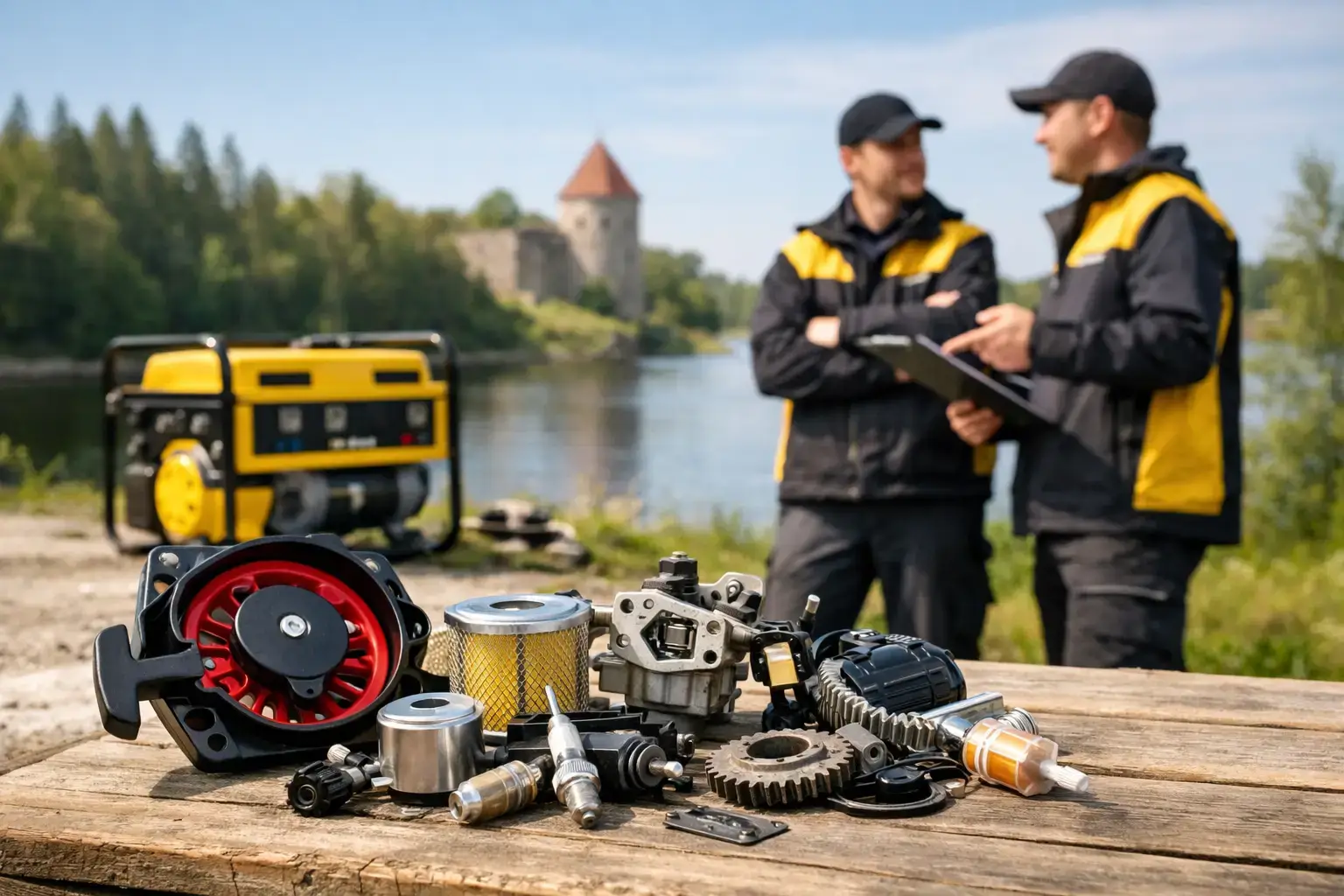
A generator rarely fails at a convenient time. It stops during a winter outage, before a jobsite shift, or when a remote property needs heat, lights, and water moving. Finding the right generator spare parts Estonia owners need is not just about replacing a worn component. It is about restoring safe, dependable power without guessing at fitment.
Portable generators work hard in conditions that expose weak maintenance habits quickly. Cold starts, long storage periods, dusty work areas, damp sheds, and irregular use all affect fuel systems, ignition parts, batteries, and electrical connections. Keeping the right service parts on hand can turn a major interruption into a straightforward repair.
Why Correct Generator Spare Parts Matter
A replacement part that looks similar is not necessarily the right part. Generator engines, alternators, control panels, and fuel systems are built around specific dimensions, electrical ratings, connector types, and calibration requirements. An incorrect air filter may allow dirt into the engine. The wrong spark plug can affect starting and combustion. A mismatched voltage regulator can put connected equipment at risk.
This matters even more when the generator supplies sensitive loads. Modern boilers, refrigerators, chargers, electronic tools, and communications equipment can all react badly to unstable voltage or frequency. A properly matched component helps the generator deliver the output it was designed to provide.
For practical owners, the goal is simple: use parts that preserve reliability rather than creating another repair later. That starts with identifying the machine correctly before ordering anything.
Generator Spare Parts Estonia Buyers Should Check First
Before selecting a part, locate the generator model number, engine model, serial number, and production information on the unit’s identification label. Take a clear photo of the label and compare it with the existing component where possible. A generator name alone is often not enough, especially when a manufacturer has produced several versions with different engines or control systems.
Pay close attention to power rating and fuel type. A dual-fuel generator may use fuel-system components that differ from a gasoline-only model. An inverter generator has different electronics from a conventional open-frame generator. Diesel units have their own filters, injectors, glow-plug systems, and fuel requirements. Parts must match the exact configuration, not simply the general generator category.
It also helps to identify whether the problem is a routine service need or an actual fault. An oil change, filter replacement, and spark plug replacement are normal maintenance jobs. Repeated tripping, no AC output, fuel leaks, or surging under load may point to a larger issue. Replacing one visible part without finding the cause can waste time and money.
Start With the Parts That Wear Out
Some generator parts are expected to be replaced over the life of the machine. Keeping them available makes regular maintenance easier and reduces downtime when conditions are poor. The most common service items include:
- Engine oil matched to the manufacturer’s required viscosity and operating temperature
- Air filters for clean airflow and engine protection
- Spark plugs for reliable ignition on gasoline-powered models
- Fuel filters, fuel lines, and fuel shutoff components
- Recoil starter assemblies, starter cords, and handles
- Batteries and battery charging components for electric-start units
Oil, filters, and spark plugs are inexpensive compared with engine repairs. Replacing them on schedule is one of the most practical ways to protect a portable generator that may spend months waiting for an emergency.
Electrical Parts Need Extra Care
Electrical components should never be selected by appearance alone. AVR units, capacitors, circuit breakers, outlets, control modules, wiring harnesses, and inverter boards have specific electrical requirements. A small difference in connector position, voltage rating, or wiring layout can make a part unusable or unsafe.
If the engine runs but the generator produces no power, do not assume the alternator is the problem. Check the circuit breaker, outlets, wiring connections, and load conditions first. On inverter models, a warning light or error code may provide a more useful starting point than replacing parts at random.
When electrical diagnosis goes beyond obvious checks, professional support is the sensible choice. Generators produce hazardous voltage, and incorrect repairs can damage the unit or create a shock and fire risk.
Parts for Cold Weather and Long Storage
Estonian winters and seasonal property use place special demands on generator maintenance. A machine stored in an unheated outbuilding can suffer from stale fuel, moisture in connections, weak batteries, and thickened oil. It may look fine in summer but refuse to start when temperatures fall.
Fuel is often the first issue. Gasoline that sits too long can degrade and leave deposits in the carburetor, fuel passages, and jets. If the generator will not be used for an extended period, follow the manufacturer’s storage instructions. Depending on the model and fuel type, that may mean using fuel stabilizer, running the carburetor dry, or draining fuel safely.
Battery condition deserves the same attention. Electric-start generators are easier to use during an outage, but only if the battery holds a charge. Inspect terminals for corrosion, keep connections clean and tight, and recharge the battery as recommended. In freezing conditions, a discharged battery is far more likely to fail.
Oil selection also depends on operating temperature. The oil that works well during warm-season maintenance may not provide the same cold-start performance in winter. Always use the viscosity specified for the generator engine and expected temperature range. This is a small decision that can make a major difference when starting equipment in the cold.
How to Diagnose Before You Order
Good diagnosis saves parts. Start with the basics: fuel level, fuel valve position, oil level, choke setting, battery charge, circuit breaker position, and connected load. Many no-start calls come down to one of these simple checks.
If the generator starts but runs poorly, consider fuel quality, a clogged air filter, a fouled spark plug, or an overloaded circuit. If it shuts down after a few seconds, check low-oil protection and ventilation. A generator operating in an enclosed or poorly ventilated space can overheat quickly, and it must never be run indoors or near open doors, windows, or vents because of carbon monoxide risk.
For a generator that has been stored for months, avoid immediately fitting a long list of parts. Inspect the fuel system for leaks or degraded hoses, change old fuel if needed, check the oil, and assess the spark plug and air filter. Work from the most likely cause toward the less common ones.
When a Repair Is Worth It
Routine repairs usually make sense when the engine compression is healthy, the alternator is intact, and the generator otherwise meets your power needs. Replacing a recoil starter, carburetor component, outlet, fuel line, or battery can return a useful machine to service at a reasonable cost.
The calculation changes if the unit has major engine damage, repeated electrical faults, or insufficient output for current loads. A homeowner who has added a well pump, heating controls, freezer, or workshop tools may need more starting watts than the old generator can safely supply. In that case, spending heavily on repairs may be less practical than moving to a generator with the right capacity, fuel flexibility, and outlet configuration.
Keep a Small Generator Service Kit Ready
A generator is most valuable when stores are closed, roads are difficult, or work cannot wait. Keep basic maintenance supplies with the unit rather than in a separate workshop cabinet. A sensible kit includes the correct engine oil, a spare air filter, spark plug, fuel filter where applicable, starter cord, basic hand tools, and the generator manual.
For electric-start machines, add a battery maintainer if recommended and verify that the battery is ready before the season changes. For units used in field work or remote locations, pack a clean fuel container and a way to keep water and debris out of the fuel system.
Champion Baltics supports owners who need work-ready power equipment and maintenance items for ongoing use, not just a generator on delivery day. Matching the correct part to the exact model helps protect the investment and keeps the machine ready for home backup, property work, and mobile power demands.
The best time to find a worn filter, weak battery, or damaged starter cord is during a planned test run. Start the generator periodically, let it carry an appropriate load, and replace service items before the next outage or workday puts the machine under pressure.
