







Blog
Best Winches for Offroad Recovery That Work

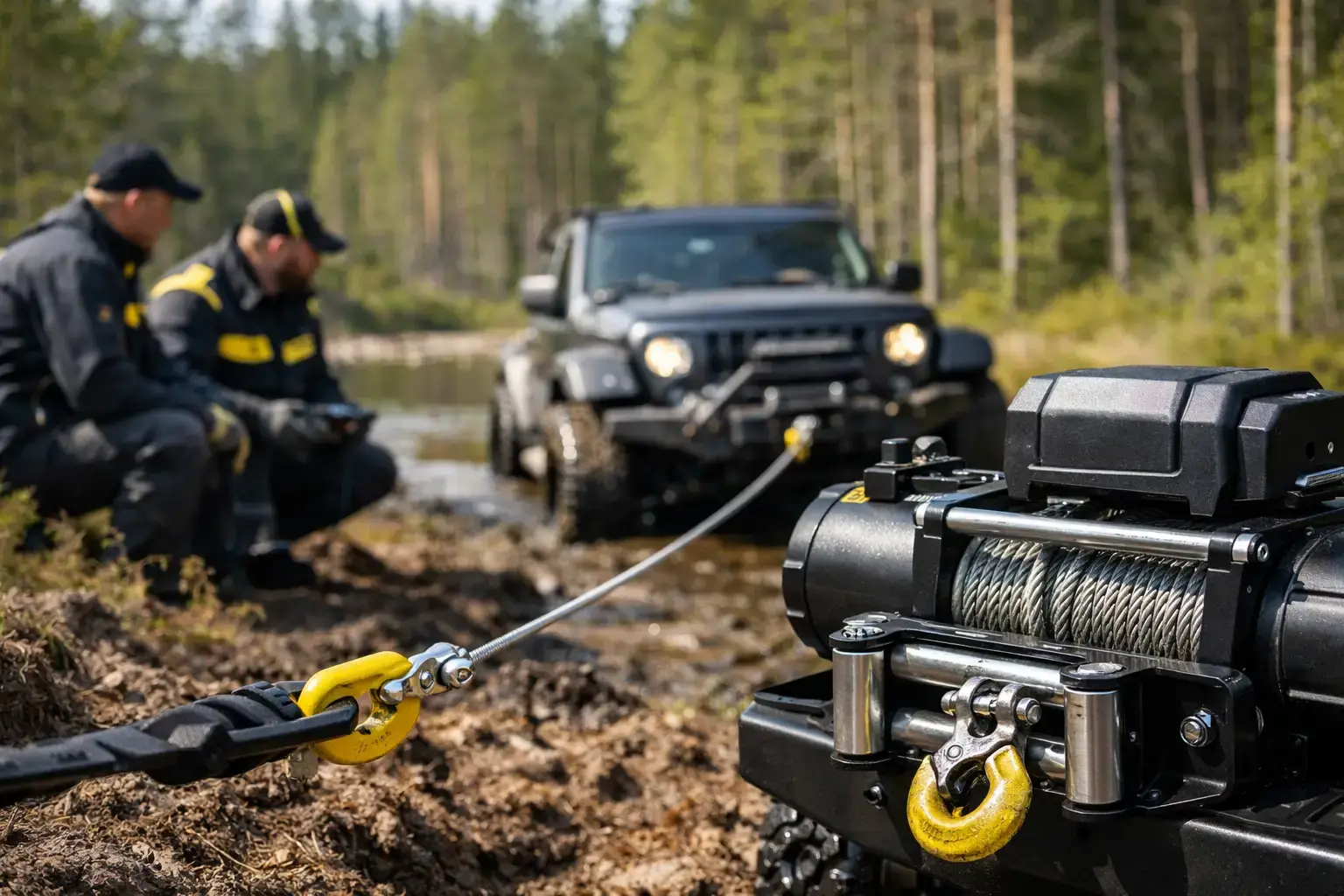
A winch earns its place on the front of a vehicle when traction is gone, daylight is fading, and nobody can get enough grip to pull you clear. The best winches for offroad recovery are not simply the ones with the largest number on the box. They are correctly sized, properly mounted, wired for hard use, and operated with recovery gear that matches the job.
For a trail rig, work pickup, ATV, or utility vehicle, the right winch provides controlled pulling power when a tow strap alone will not solve the problem. Choose for your vehicle weight, terrain, and recovery style first. Then look closely at rope type, motor protection, control options, and the equipment that makes a pull safer.
How to Choose the Best Winches for Offroad Recovery
Start with the actual loaded weight of the vehicle, not its brochure curb weight. Add passengers, tools, fuel, recovery equipment, roof racks, bumpers, cargo, and any trailer load that may affect the pull. Mud, deep snow, loose sand, and a steep climb can all multiply the force needed to move that weight.
A vehicle-mounted winch should generally be rated at least 1.5 times the gross vehicle weight rating. For a 5,000-pound 4×4, that means looking at a winch rated around 7,500 pounds or higher. Many drivers choose a 9,500- to 12,000-pound unit for full-size trucks and heavily equipped off-road vehicles because the extra capacity leaves useful margin when conditions get ugly.
The rated line pull is measured on the first layer of rope around the drum. As rope builds up on the drum, pulling power drops. A 10,000-pound winch does not deliver its full rated pull when the drum is packed with multiple layers of cable. This is one reason a long, straight pull with plenty of rope paid out is usually more effective than trying to pull from close range with a full drum.
Match Capacity to the Vehicle, Not the Ego
Oversizing has limits. A much larger winch adds weight to the front end, places greater demands on the battery and charging system, and may require a heavier winch bumper. For compact SUVs, UTVs, and ATVs, a correctly matched lighter winch is often the smarter option.
For most pickups and dedicated 4x4s, capacity margin is valuable. It lets the winch work without constantly operating at its limit and gives room for difficult recoveries with a snatch block. The goal is dependable control, not maximum bragging rights.
Synthetic Rope or Steel Cable?
Synthetic rope is the preferred choice for many off-road users. It is lighter, easier to handle, and stores less energy than steel cable if it fails. That makes it more manageable during routine recoveries, especially when working in mud, rain, or cold weather with gloves on. It also does not develop the sharp wire splinters associated with damaged steel cable.
Its trade-off is maintenance. Synthetic rope should be kept clean, inspected for abrasion, and protected from sharp rocks, rough bumper edges, and hot components. It is vulnerable to UV exposure over time and can be damaged quickly if dragged across gravel or allowed to rub against a rock ledge under load. A rope sleeve and a proper aluminum hawse fairlead help reduce wear.
Steel cable remains a practical choice for hard-working utility applications where abrasion resistance matters and the cable may see regular contact with rough surfaces. It is durable and usually less expensive, but it is heavier, harder on hands, and demands close inspection for kinks, crushed sections, and broken strands. Use a roller fairlead with steel cable, and wear gloves whenever handling it.
Whichever line you choose, inspect it before every serious recovery. A damaged rope or cable is not something to gamble on when several thousand pounds of force are involved.
Power, Mounting, and Weather Protection Matter
A strong motor cannot compensate for weak electrical connections. A vehicle recovery winch draws serious current, particularly during a heavy pull. Use the supplied heavy-gauge cables, route them away from heat and moving parts, protect them from chafing, and keep battery terminals clean and tight. A tired battery or poor ground connection can turn a capable winch into a slow, overheated one.
For frequent recovery use, a healthy high-capacity battery and a charging system in good condition are essential. Run the engine during a pull when it is safe to do so, helping the alternator support the electrical load. Avoid repeated long pulls without pause. Winch motors build heat quickly, and a short rest can prevent damage to the motor, solenoid, and rope.
The mount is just as important as the winch. Install the unit on a vehicle-specific winch bumper or a properly engineered mounting plate tied securely into the frame. A light-duty decorative bumper is not a recovery point. Neither are random hooks, suspension components, trailer balls, or thin sheet-metal brackets.
Cold, wet conditions are normal operating conditions for many Baltic and Nordic drivers. Look for sealed control boxes, protected electrical connections, durable remote controls, and a clutch mechanism that can be operated with gloved hands. After deep water, slush, or heavy mud, clean the winch and line before corrosion and grit create problems.
Recovery Features Worth Paying For
A wireless remote is useful when you need to stand clear and watch the line, tires, and anchor point during a pull. A wired remote remains valuable as a dependable backup, particularly in cold weather or when batteries are low. The best setup is often both: wireless convenience with a wired control stored in the vehicle.
A free-spool clutch allows rope to be pulled out by hand rather than powered off the drum. It saves time and battery power, but only disengage it when the vehicle is secure and the line is not under tension. Automatic load-holding brakes are another critical feature. They keep the load from rolling backward when you release the control.
Do not buy based on no-load line speed alone. Fast line speed looks good in product specifications, but loaded speed, motor heat management, gear reduction, rope quality, and reliability under strain matter more when recovery becomes real. A slightly slower winch that keeps pulling consistently is more useful than a fast unit that overheats halfway through the job.
Build a Recovery Kit Around the Winch
A winch alone is incomplete recovery equipment. Carry rated recovery points on the vehicle, a tree saver strap for anchoring around living trees, soft shackles or rated bow shackles, work gloves, and a recovery damper. A snatch block is one of the most useful additions because it can double line pull while changing the direction of the pull.
For example, if a truck is buried in wet ground, a single-line pull may ask too much from the winch and battery. Running the line through a snatch block at the anchor and back to a rated point on the vehicle reduces line speed but increases available pulling force. It also puts more rope out, where the winch has better mechanical advantage.
Never attach the winch hook directly around a tree or use the hook tip as a load connection. Use a tree saver strap around the trunk and connect it with rated hardware. Keep people well outside the line path, place a damper on the line, and stop immediately if the rope starts rubbing, bunching unevenly on the drum, or pulling the anchor point out of alignment.
Choose the Right Winch Type for Your Work
A 4,500- to 6,000-pound winch can suit many ATVs, UTVs, and compact utility machines, provided the mounting system and recovery points are rated for the load. For midsize SUVs and lighter off-road vehicles, 8,000 to 9,500 pounds is often a sensible range. Full-size pickups, loaded expedition vehicles, and work trucks usually call for 10,000 to 12,000 pounds or more.
Portable winches can make sense for utility work, trailers, or vehicles that do not carry a permanent front mount. They offer flexibility, but they still need a secure anchor, correctly rated power connection, and a safe place to stand during operation. A permanent front-mounted winch is faster to deploy when a trail recovery cannot wait.
Choose equipment that you can maintain. Replacement rope, remotes, fairleads, covers, mounting hardware, and electrical components should be available when they are needed. A winch is not a one-time accessory. It is working equipment that needs inspection, cleaning, and occasional replacement parts to remain ready.
The right winch will not make poor decisions safe, but it gives you a controlled way out when traction, momentum, and outside help are gone. Size it honestly, mount it correctly, carry the recovery gear to support it, and practice using it before the first deep rut or snow-covered trail demands it.
