







Blog
Petrol Generators for Reliable Backup Power

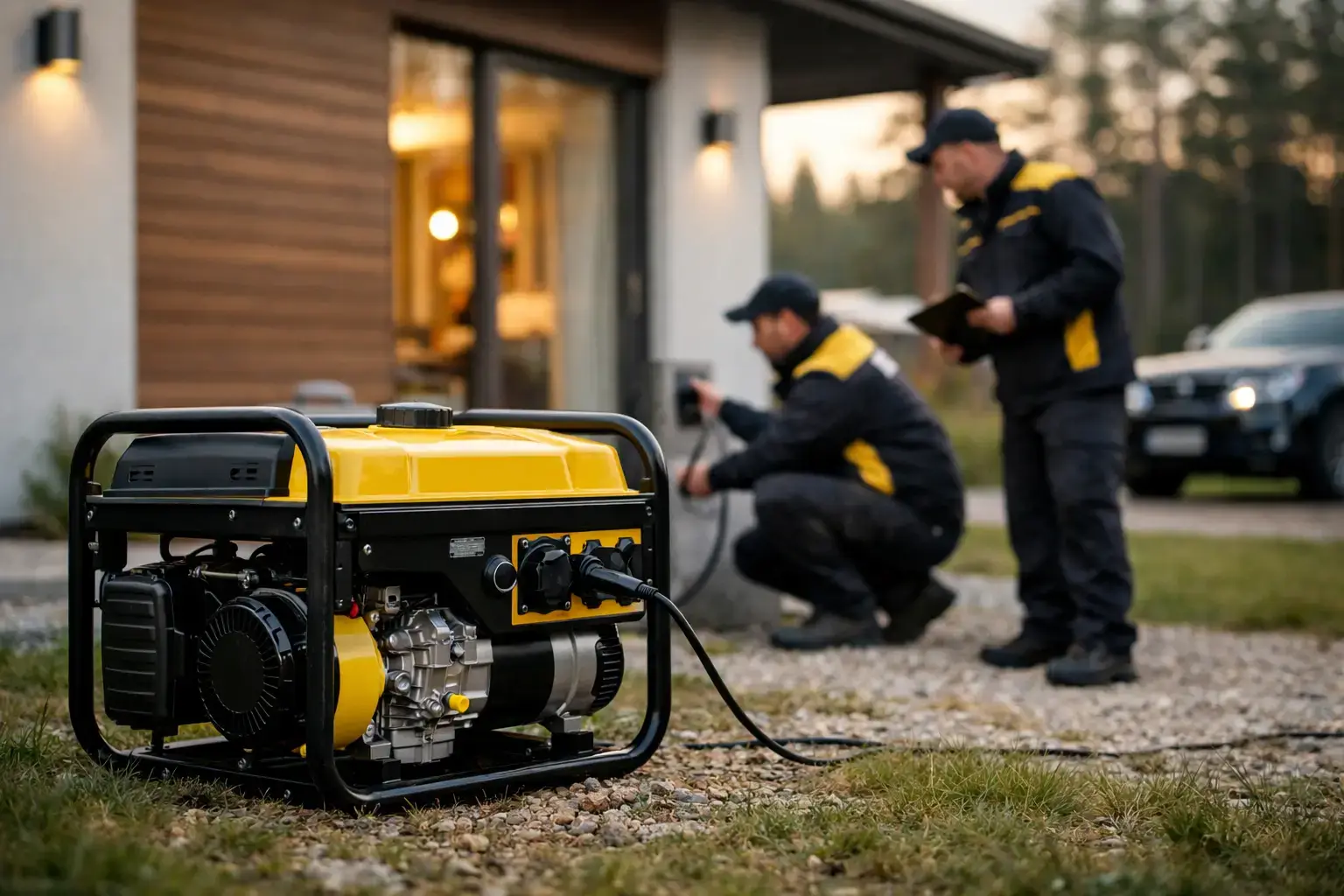
A power outage at a rural home is not just an inconvenience. It can stop a well pump, leave a heating system without circulation, spoil refrigerated food, and shut down the tools needed to make repairs. Petrol generators give homeowners, tradespeople, and field crews a practical source of portable electricity when the grid is unavailable or simply too far away.
For many jobs, a petrol-powered unit is the sensible choice: fuel is easy to source, startup is straightforward, and a properly sized generator can run critical loads for hours. The key is not buying the largest machine available. It is choosing enough power, the right outlet configuration, and features that match the conditions where the generator will actually work.
Why choose petrol generators?
Petrol generators are built for mobile, on-demand power. They suit temporary backup at a house or cabin, tools at a jobsite, lighting at a remote work area, and equipment around farms, forests, or off-road camps. Compared with a fixed standby system, they are easier to move, store, and put into service when needed.
Petrol is widely available, which matters when you need to refuel quickly. Many portable models also offer a strong balance between output and weight. A compact inverter generator can be carried to a work area and used near sensitive electronics, while an open-frame unit can deliver higher wattage for pumps, compressors, welders, and multiple power tools.
There are trade-offs. Petrol has a limited storage life, especially once ethanol blends are involved, so fuel management is part of ownership. Standard open-frame generators are usually louder than inverter models. And for very long runtime or large continuous loads, diesel or dual-fuel equipment may be a better fit. For portable power that is ready when the work starts, however, petrol remains a proven option.
Size the generator for the load, not the label
The most common generator mistake is sizing from a single appliance’s running wattage. Motors draw extra power when they start. A refrigerator, pressure pump, air compressor, circular saw, or freezer may run modestly but demand a much higher surge for a few seconds. If the generator cannot handle that surge, the overload protection may trip or the motor may fail to start.
Start by listing what must run at the same time. Separate essential loads from convenient loads. During an outage, essentials might include a well pump, refrigerator, boiler controls, internet equipment, lighting, and phone charging. At a jobsite, the priority may be a compressor, saw, battery chargers, and work lights.
Add the running watts for all simultaneous loads, then account for the highest starting demand. Leave a sensible reserve instead of operating at the generator’s maximum rating all day. That reserve helps the engine handle changing loads, protects connected equipment, and gives you room for an extra tool or appliance when conditions change.
A small 2,000-watt inverter unit can be excellent for charging tools, electronics, lights, and lighter-duty appliances. A 3,000- to 5,000-watt generator often suits broader home backup and demanding tool use. Larger units may be needed for pumps, multiple circuits, or heavier machinery. The right answer depends on the actual equipment, not a generic wattage chart.
Running watts and starting watts
Pay attention to both figures. Running watts describe the power available continuously. Starting watts, sometimes called peak or surge watts, cover the short burst required to start motor-driven equipment. A generator may have a high peak rating but a lower continuous rating, so use the continuous number as the foundation of your calculation.
If a load has an electric motor and its starting requirement is unclear, check the manufacturer’s label or manual. When in doubt, allow more capacity. Guessing low is frustrating at best and hard on equipment at worst.
Inverter or open-frame petrol generator?
An inverter generator produces power through electronic control, which generally delivers a cleaner, more stable output for laptops, battery chargers, TVs, communications gear, and modern appliances. It can also reduce engine speed when demand is low, saving fuel and lowering noise. For a campsite, mobile office, service van, or quiet residential backup use, those advantages are worth considering.
An open-frame petrol generator is often the better value when output matters most. These machines are designed for straightforward, hard-working use with common power tools, pumps, and site equipment. They are typically easier to lift by the frame, easier to position in the field, and available in higher output ranges.
Noise, weight, and fuel use should guide the decision. A quiet inverter unit is more comfortable near a house but may not provide enough capacity for a large pump or multiple trade tools. A powerful open-frame unit can handle tougher loads but needs more distance from people and buildings. Select the machine for the job you need done most often, not the occasional task that may never happen.
Features that matter in real use
A dependable generator needs more than a headline wattage figure. Low-oil shutdown is a practical protection feature that helps prevent engine damage if the oil level drops. Overload protection helps safeguard the alternator and connected devices. A fuel gauge makes it easier to plan refueling before a critical load goes down.
Cold-start performance deserves attention in northern climates. A generator stored in an unheated shed, vehicle, or workshop needs fresh fuel, correct oil, and routine starting checks before an emergency. Electric start adds convenience on larger units, while a reliable recoil starter remains valuable as a simple backup method.
Outlets matter too. Confirm that the generator has the voltage, socket type, and amperage required by your tools or connection equipment. If you intend to supply selected circuits in a home or outbuilding, use a correctly installed transfer switch or interlock system. Never feed generator power into a building through a wall outlet. That dangerous practice can energize utility lines and put workers, neighbors, and your equipment at risk.
Set up safely before you need power
A petrol generator must run outdoors, well away from doors, windows, vents, and enclosed workspaces. Carbon monoxide is odorless and can build up fast. A garage with an open door is not a safe operating location. Place the unit on stable, dry ground where exhaust can move freely and where rain or snow cannot enter the electrical outlets.
Use heavy-duty extension cords rated for outdoor use and the load you are carrying. Long, undersized cords cause voltage drop, which can make motors run hot and reduce tool performance. Keep connections off wet ground, inspect cords for damage, and avoid overloading a single outlet.
Refuel only after shutting the generator down and allowing the engine to cool. Petrol vapors ignite easily. Keep fuel in approved containers, away from flames and direct heat, and clean up spills before restarting. A small fire extinguisher near the operating area is a sensible part of any backup-power setup.
Maintenance keeps backup power dependable
A generator that sits untouched for a year is not emergency equipment. It is an untested engine. Run it periodically under a meaningful load, not just for two minutes at idle. This circulates oil, charges the starting battery where fitted, and confirms that outlets and protection systems are working.
Check engine oil before use, follow the scheduled oil-change interval, and keep the air filter clean. Inspect the spark plug, fuel lines, recoil cord, and fasteners during routine service. If the generator will be stored for an extended period, use fuel stabilizer or drain the fuel system according to the manufacturer’s instructions. Fresh, properly managed fuel prevents many starting and carburetor problems.
Keep a small operating kit with engine oil, a spare spark plug, approved fuel containers, suitable extension cords, and the correct basic tools. Access to maintenance items and replacement parts turns a generator from a one-time purchase into equipment you can rely on season after season.
When the lights go out or the worksite has no grid connection, preparation is what matters. Choose a generator with honest capacity for your critical loads, test it before the emergency, and maintain it like the working machine it is. Then it will be ready to earn its place when power cannot wait.
