


Blog
Pay in 3 Parts for Champion Products With Esto

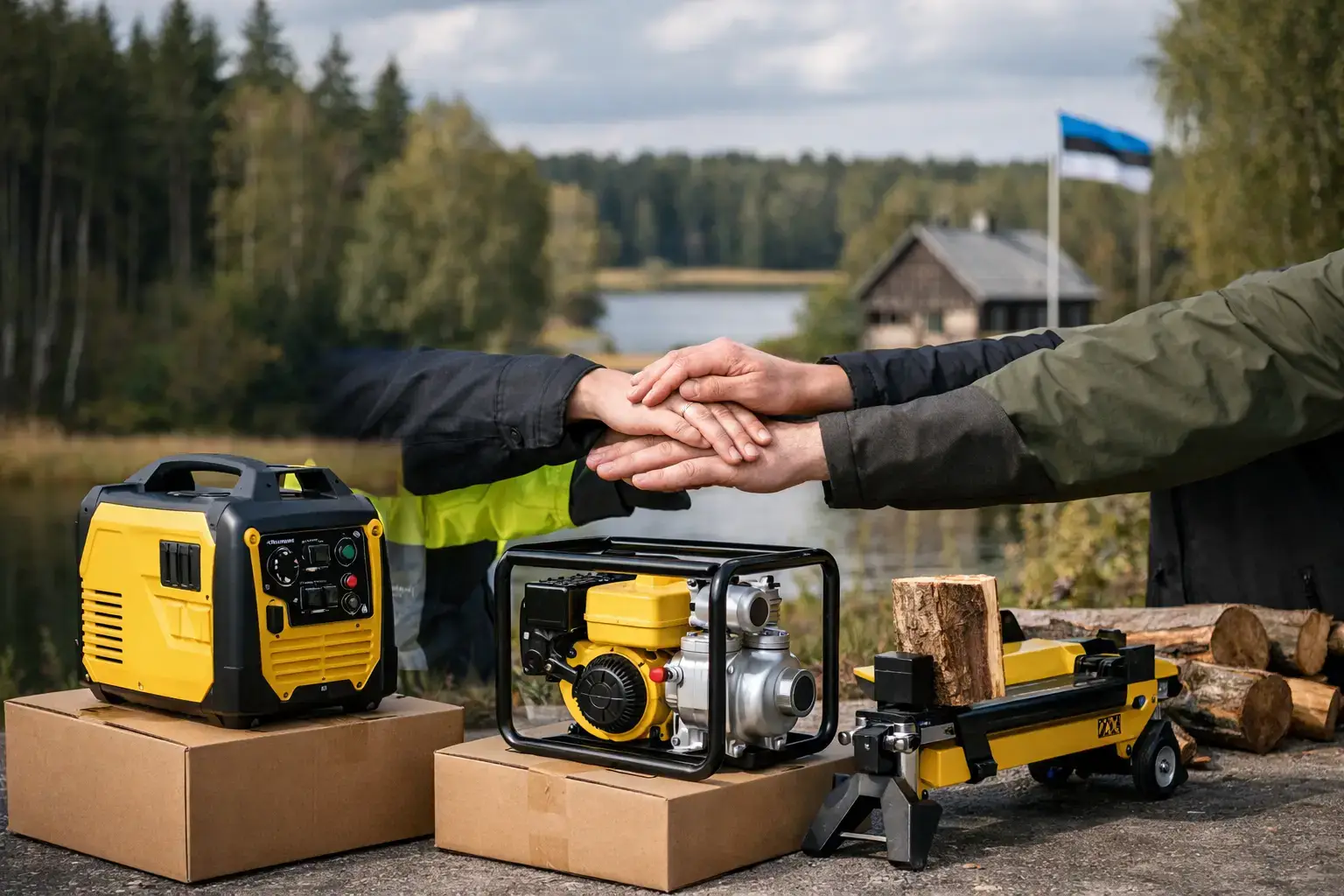
A generator usually becomes urgent the moment the power goes out, the pump fails, or the jobsite has no electricity where you need it. That is why the option to pay in 3 parts for Champion products with Esto matters. It gives you a way to get work-ready equipment now and spread the cost across three payments instead of waiting and hoping the next outage, storm, or field job can wait.
For practical buyers, this is less about convenience and more about timing. When you need backup power, water movement, pressure washing, or recovery equipment, delaying the purchase can cost more than the payment plan saves. A freezer full of food, a flooded area, a stalled job, or a vehicle stuck off-road can turn into a bigger problem fast.
How pay in 3 parts for Champion products with Esto works
The basic idea is simple. You choose the equipment you need, select the Esto payment option at checkout if available, and split the purchase into three parts. Instead of paying the full amount upfront, you spread it out over a shorter period while still getting the equipment when you need it.
That setup can be useful for buyers who know exactly what they need but want to protect cash flow. A homeowner preparing for winter outages may need an inverter generator now, but not want one purchase to hit the monthly budget all at once. A tradesperson may need a pressure washer or winch for active jobs and prefer to keep working capital available for fuel, materials, or transport.
As with any payment solution, the details matter. Terms, approval, and eligibility can vary, so it makes sense to review the checkout information carefully before committing. Flexible payment helps, but only if the schedule fits your budget and your actual use case.
Why this payment option fits power equipment purchases
Portable power equipment is rarely an impulse buy. Most people are buying to solve a real problem. That could mean keeping a house running during an outage, powering tools in the field, moving water after heavy rain, or cleaning equipment and property with serious pressure.
The challenge is that reliable equipment often costs more upfront than buyers first expect, especially when they move beyond entry-level machines. A compact inverter generator for light backup and camping use is one thing. A larger dual fuel or petrol generator sized for home backup, workshop support, or multiple connected loads is another. Add accessories, oil, or spare parts, and the total climbs.
Paying in three parts can make that jump easier to manage. It lets you buy the right machine for the actual job instead of settling for something undersized because the full purchase feels too heavy in one payment. That matters because underpowered equipment creates its own problems. A generator that cannot handle startup loads or a pump that is too small for the water volume will not save money if it fails when conditions get rough.
Which Champion products make the most sense to buy this way
The answer depends on what problem you are solving.
Generators are the most obvious fit. Backup power purchases are often urgent, and sizing up to a more capable model can be the right move when you need cold-start reliability, longer run time, or the flexibility of dual fuel operation. If you live on a rural property or work in areas where grid power is unreliable, spreading the cost can make a dependable unit easier to put in place before you actually need it.
Water pumps are another strong match. Flooding, drainage issues, and water transfer jobs do not always show up when the budget is convenient. If standing water threatens a building, land access, or equipment, the ability to buy quickly matters more than waiting for a future pay cycle.
Pressure washers and winches also fit well, especially for working users. A pressure washer can support property maintenance, fleet cleaning, and workshop use. A winch may be a recovery tool you hope not to need often, but when you do need it, nothing else will replace it. In both cases, buying durable equipment is usually smarter than replacing weak gear that cannot handle repeated use.
Accessories, motor oil, and spare parts are a bit different. These items are often lower-cost, so splitting the payment may not always be necessary. Still, when you are purchasing a larger equipment package or stocking maintenance essentials at the same time, the payment flexibility can help keep the full order manageable.
When paying in 3 parts is a smart move – and when it is not
This option works best when the equipment is necessary, the use case is clear, and the payment plan fits your real budget.
It makes sense if the machine will protect your home, keep work moving, or improve operational readiness before a predictable risk period. For example, many buyers prepare for colder months before outages and starting conditions get tougher. That is the right time to act, because equipment decisions made during calm conditions are usually better than decisions made during an emergency.
It also makes sense when paying in three parts allows you to buy a properly matched machine rather than a cheaper one that may fall short. The right wattage, fuel type, mobility, and durability level are not luxury features when the equipment has to perform under pressure.
It may not be the best move if you are stretching for a machine you do not truly need, or if the payment schedule will create strain. Flexible payments should support preparedness, not create avoidable pressure later. If your power needs are modest, a smaller unit may still be the better choice. If your workload is occasional, it is worth comparing whether you need the highest-spec model or simply a dependable one with the right core performance.
Buying the right equipment matters more than splitting the payment
Payment flexibility helps, but product fit comes first.
If you are buying a generator, start with wattage. Think about what you need to run, including startup surge for motors, pumps, refrigerators, and power tools. If quiet operation matters, especially around homes, camps, or mobile work areas, an inverter generator may be the better choice. If you want fuel flexibility or longer-term preparedness, dual fuel can make a lot of sense.
If you are buying for tough weather or remote use, portability and starting performance matter just as much as output. Wheels, handles, manageable weight, and cold-condition readiness are not small details when the machine has to move across a yard, site, or forest track.
For pumps, look at flow requirements, lift, and the kind of water you are moving. For pressure washers, consider pressure level, cleaning frequency, and whether the machine is for occasional home use or regular work. For winches, match pulling capacity to the vehicle or load, and leave room for real conditions rather than ideal ones.
A payment plan can make a larger purchase easier. It cannot make the wrong machine perform like the right one.
What practical buyers usually want from Esto payments
Most buyers are not looking for complicated financing. They want a clear checkout process, predictable payment timing, and the ability to get the equipment without delay. That is the real value behind pay in 3 parts for Champion products with Esto.
For homeowners, it can mean getting backup power in place before the next outage instead of after it. For landowners and rural users, it can mean handling drainage, cleaning, or field power needs without putting off the purchase for months. For tradespeople and workshop operators, it can mean keeping equipment available for billable work while smoothing out cash flow.
This is especially relevant in markets like Estonia, where weather, distance, and seasonal readiness all affect equipment buying decisions. Waiting until the problem arrives is rarely the cheaper option.
Before you choose pay in 3 parts for Champion products with Esto
Take five minutes and pressure-test the purchase. Make sure the machine is correctly sized, the use case is real, and the payment schedule is comfortable. If you are buying a generator, think through your load list. If you are buying a pump or winch, think through the worst realistic conditions, not the easiest ones.
Then look at the full order, not just the headline product. Oil, accessories, cables, hoses, and spare parts can make the machine more useful from day one. It is usually smarter to buy a complete, ready-to-work setup once than to discover you are still missing the item that lets you actually use it.
Good equipment earns its keep when the weather turns, the power drops, or the job gets harder than expected. If splitting the cost into three parts helps you get the right tool at the right time, that is not just easier on the budget. It is a practical way to stay ready.
