






Blog
Pressure Washer Latvia for Homes and Jobsites

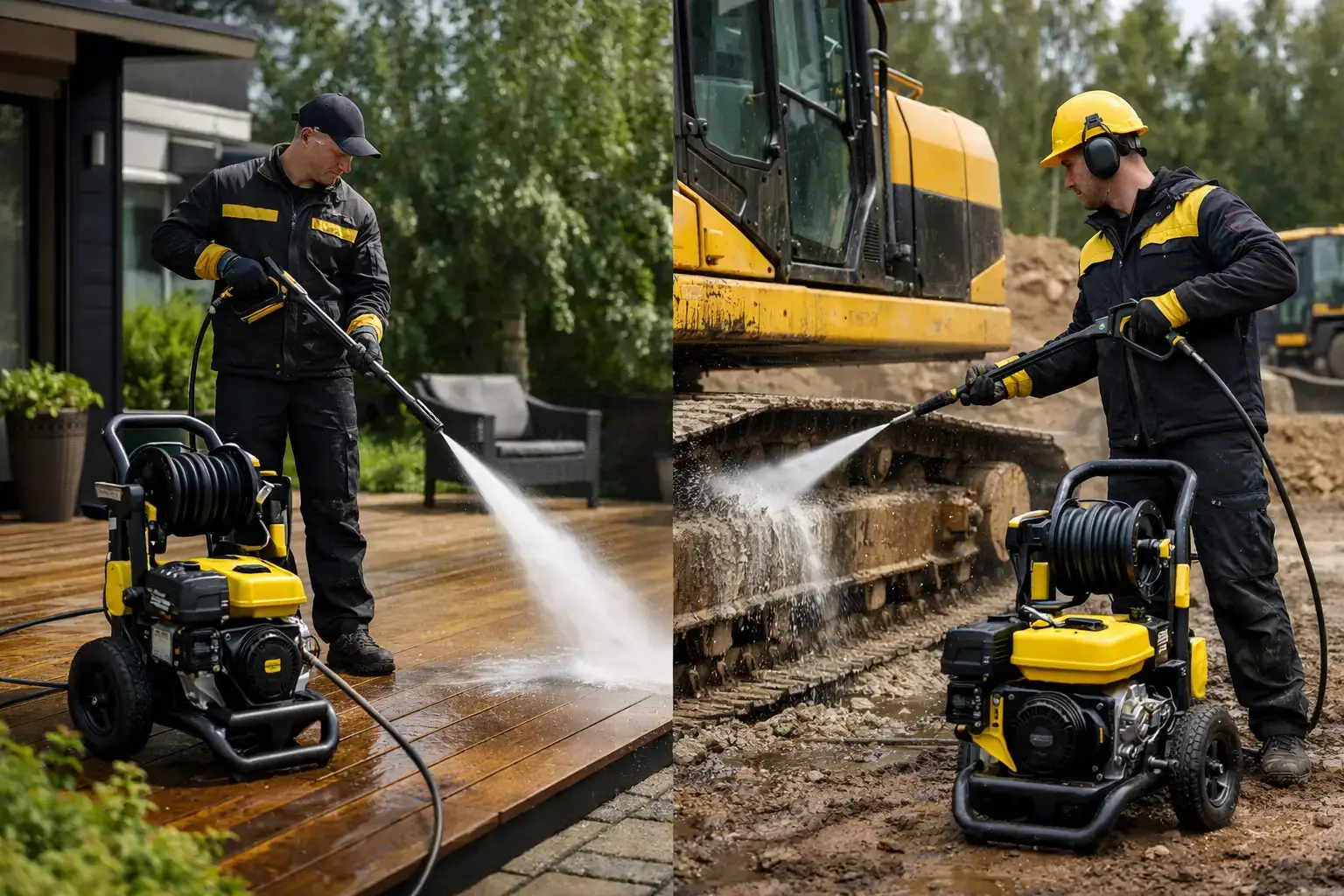
A driveway coated in winter grit, a tractor covered in field mud, and a work van carrying dried concrete dust do not need the same machine. Choosing a pressure washer Latvia property owners and tradespeople can count on starts with the job, not the price tag. The right unit removes grime quickly without wasting water, damaging surfaces, or leaving you short on power when work needs to get done.
For Baltic homes, farms, workshops, and mobile crews, a pressure washer is more than a seasonal cleaning tool. It keeps equipment working, improves traction on hard surfaces, clears salt and mud from vehicles, and helps protect the condition of valuable machinery. The best choice is the one with enough cleaning force, the right water flow, and a design that matches where you will use it.
What Makes a Pressure Washer Effective?
Pressure washers are often compared by PSI, or pounds per square inch. PSI matters because it describes the force used to break dirt loose from a surface. But pressure alone does not tell the full story. Water flow, measured in GPM, or gallons per minute, carries that loosened dirt away.
A high-PSI machine with weak flow may cut through a stubborn patch but clean a large yard slowly. A unit with strong flow and moderate pressure can rinse broad surfaces faster and more evenly. For real cleaning performance, look at both numbers together. This combination is often expressed as cleaning units: PSI multiplied by GPM.
For light household work, roughly 1,500 to 2,000 PSI is often enough. It suits bicycles, garden furniture, small patios, and carefully cleaned vehicles. Driveways, fencing, larger decks, and routine property maintenance usually call for around 2,000 to 3,000 PSI. Farm equipment, heavy mud, machinery, and professional use may justify 3,000 PSI or more, provided the operator has the right nozzle and surface control.
More pressure is not automatically better. Soft wood, painted trim, window seals, vehicle paint, and old masonry can be damaged by an overly aggressive stream. A capable machine gives you control through interchangeable nozzles, adjustable settings, and enough hose length to work from a safe position.
Electric or Gas Pressure Washer in Latvia?
The power source changes how and where you can work. An electric pressure washer is a practical fit for homeowners with access to a reliable outlet. It is quieter, requires less routine engine maintenance, and is easy to store between smaller cleaning jobs. For washing a car, refreshing a patio, or cleaning outdoor furniture near the house, an electric model can be the sensible option.
Its limits are clear on larger properties. You need electrical power nearby, extension cords must be rated correctly for outdoor equipment, and continuous heavy work can be slower. Electric units are also generally less mobile when the job is far from a building.
A gas pressure washer is built for independence. It makes sense for rural landowners, contractors, forestry users, farms, and crews cleaning equipment where electrical access is limited or unavailable. Higher-output gas models can handle demanding work for longer periods and move easily between a shed, yard, vehicle, and jobsite.
That added capability comes with responsibility. Gas engines need fuel, oil checks, regular maintenance, and proper winter storage. They must always run outdoors in a ventilated area because engine exhaust contains carbon monoxide. If you need a machine for heavy cleaning far from an outlet, those trade-offs are usually worthwhile. If your work is close to the garage and relatively light, electric power may save time and upkeep.
Cold Weather Changes the Routine
Freezing temperatures can damage a pressure washer faster than ordinary wear. Water left in the pump, hose, spray gun, or fittings can freeze and expand, cracking components. After the final wash of the season, drain the system fully and use pump antifreeze designed for pressure washer storage where appropriate.
Do not start a frozen machine and hope the pump will clear itself. Bring the unit into a warmer area first, inspect the hose and connections, and make sure water can flow freely. A few minutes of storage preparation protects the pump, which is one of the most important parts of the machine.
Choose the Right Washer for the Surface
The cleaning task should determine the setup. Vehicle washing needs a gentler approach than concrete cleaning. Use a wide-angle nozzle, keep the spray moving, and start with more distance from the paint. A detergent foam application can do much of the work before rinsing, reducing the need for excessive pressure.
Concrete, stone, and paved areas can handle more force, but they still benefit from technique. Work in overlapping passes so the surface dries evenly. A surface cleaner attachment is especially useful on broad driveways and walkways because it covers more area with less striping than a standard wand.
For farm and utility equipment, start by knocking off loose mud with a wider spray pattern. Apply a suitable detergent to greasy areas, allow it to dwell according to the product instructions, then rinse from top to bottom. Avoid directing high-pressure water at bearings, electrical connectors, decals, seals, and vulnerable hydraulic areas. The goal is clean equipment, not water forced into places where it does not belong.
Wood needs the most caution. Use low pressure and a broad nozzle, then test an inconspicuous area before cleaning the entire deck or fence. Getting too close can raise the grain, leave visible marks, and turn a maintenance task into a repair project.
Nozzles, Hoses, and Accessories Matter
A pressure washer is only as useful as the equipment at the end of the hose. Nozzles control the spray angle. A wider fan pattern spreads force across a larger area and is safer for delicate surfaces. A narrow pattern concentrates force for stubborn dirt but can damage material quickly if held too close.
A common working set includes wide-angle nozzles for general rinsing, a mid-angle nozzle for tougher grime, a detergent nozzle, and a turbo nozzle for durable hard surfaces. Turbo nozzles can clean concrete quickly, but they are not for painted vehicles, wood, or fragile materials.
Hose length affects productivity more than many buyers expect. A longer, durable hose lets you move around a vehicle, trailer, or building without constantly relocating the machine. It also keeps the engine or electric unit farther from splash zones. Check that replacement hoses, spray guns, quick-connect fittings, filters, and pump maintenance supplies are available for the model you choose. Equipment that can be maintained stays useful longer.
Safe Setup Before You Pull the Trigger
Before starting, connect a clean water supply and make sure the inlet filter is clear. Never run a pressure washer pump dry. Open the water supply first, squeeze the trigger to purge air from the system, and only then start the machine. This simple order helps protect the pump from unnecessary strain.
Wear eye protection and sturdy footwear. Wet pavement, algae, detergent, and runoff create slippery ground quickly. Keep the spray away from people, pets, electrical equipment, and glass. Never point the wand at your hands or feet. A high-pressure stream can cause serious injury even when the surface appears harmless.
For gas models, refuel only after the engine has cooled. For electric models, use a grounded outdoor outlet protected by a GFCI, and keep cord connections out of standing water. If the work area is near a well, drain, or natural waterway, choose cleaning chemicals carefully and prevent contaminated runoff from entering the water system.
Pressure Washer Latvia Buying Checklist
Before buying, be clear about the heaviest job the machine will handle most often. A washer purchased only for occasional car cleaning does not need the same output as one used weekly on a farm or construction site. Buying too small creates long cleaning times and unnecessary strain. Buying far too large can make routine work harder and risk surface damage.
Check the pressure and water-flow rating together, then consider engine type, hose length, wheel design, pump construction, nozzle selection, detergent capability, and storage requirements. For mobile work, weight and transport layout matter. For home use, noise level, compact storage, and easy startup may matter more.
Champion Baltics focuses on work-ready equipment for owners who need dependable performance in demanding conditions. The strongest purchase is not the machine with the biggest number on the box. It is the one that starts when needed, reaches the work area, cleans efficiently, and can be maintained for the next job.
A pressure washer earns its place when it saves time without creating new problems. Choose for the surfaces you own, prepare it properly for cold weather, and use the right nozzle before turning up the force. That is how a cleaning tool becomes reliable working equipment.
