





Blog
Why Pressure Washer Loses Pressure and How to Fix It

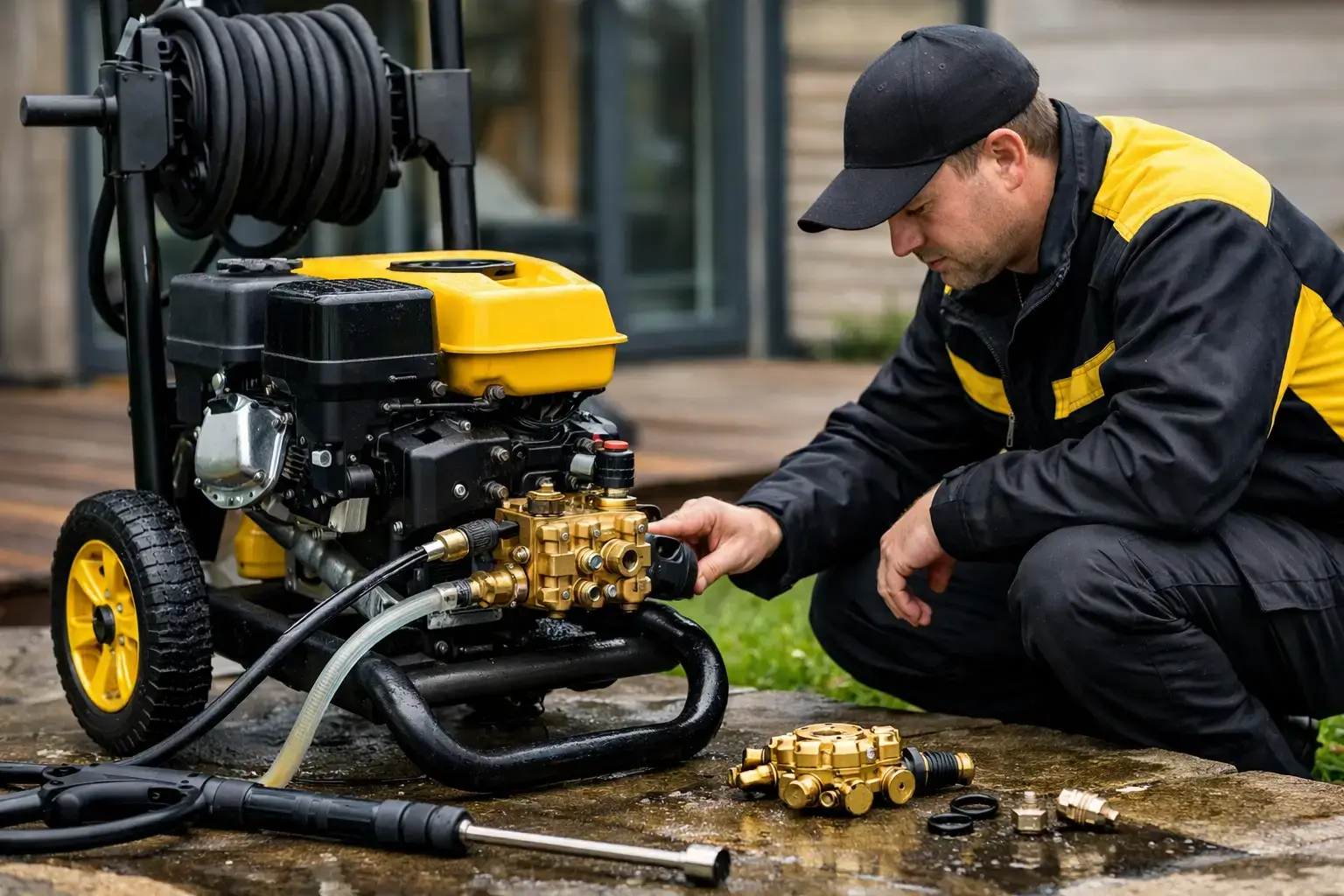
A pressure washer that starts strong, then fades to a weak spray, can turn a quick driveway or equipment-cleaning job into a long day. If you are asking why pressure washer loses pressure, do not assume the pump has failed. In many cases, the cause is a blocked nozzle, restricted water supply, air entering the system, or an attachment that is not seated correctly. Start with the simple checks before taking apart the machine.
Start With the Water Supply
A pressure washer cannot create stable pressure without enough water entering the pump. This is the first place to look, especially when the machine pulses, surges, or loses force after running for several minutes.
Make sure the supply faucet is fully open and the garden hose is not kinked, crushed, or too narrow for the washer’s required flow rate. A long, lightweight hose may work for watering a garden but restrict water delivery when feeding a high-pressure pump. If possible, test with a shorter, larger-diameter hose.
Next, inspect the inlet filter where the garden hose connects to the pressure washer. Sand, rust flakes, leaves, and sediment can collect in this small screen and reduce water flow. Remove it carefully, rinse it clean, and reinstall it before testing again. Never run a pressure washer without the inlet filter. Debris that passes into the pump can damage valves and seals.
Water temperature also matters. Most consumer and work-ready cold-water pressure washers are designed for clean, cold water. Hot water can soften seals and shorten pump life unless the unit is specifically built for hot-water use.
Why a Pressure Washer Loses Pressure During Use
When pressure is strong for a moment but drops while cleaning, the nozzle and spray gun deserve close attention. The nozzle is a precision orifice. A small blockage changes the spray pattern and can cause weak output, pulsing, or no pressure at all.
Check the Nozzle for Dirt or Wear
Shut off the engine or motor, turn off the water supply, and squeeze the trigger to release trapped pressure before removing the nozzle. Examine the nozzle opening for grit or mineral buildup. Use a proper nozzle-cleaning pin or a fine cleaning tool, then flush the nozzle backward with clean water.
Do not enlarge the opening with a drill bit, nail, or heavy wire. Even a slight change in nozzle size reduces working pressure. A worn nozzle may look clean but still be the problem. Abrasive dirt gradually widens the orifice, allowing too much water through and lowering pressure. If the washer is used often on muddy equipment, farm tools, vehicles, or paving, keeping a spare nozzle set is practical insurance.
Confirm that you are using the right nozzle for the job. A wide-angle soap nozzle produces low pressure by design. Switching from a 40-degree rinse nozzle to a 15-degree cleaning nozzle will feel like a major pressure increase, but it also increases the risk of damaging wood, paint, soft stone, and vehicle trim. Use the narrowest spray angle that cleans effectively, not simply the most aggressive one.
Inspect the Spray Gun, Lance, and Quick Connects
A partially blocked spray gun, damaged lance, or loose quick-connect fitting can also restrict flow or leak pressure. Check that every connection is fully locked in place. Look for water spraying from fittings, hose ends, or the gun body while the trigger is pulled. A small leak on the high-pressure side can become a major loss of performance.
Inspect the high-pressure hose for cuts, blistering, crushed sections, and damaged couplers. Never patch a pressure hose with tape or clamps. High-pressure water can inject into skin and cause a serious injury even when the wound appears minor. Replace compromised hoses and fittings with pressure-rated parts that match the washer’s specifications.
Remove Air From the Pump
Air trapped in the water system is a common reason for pulsing pressure. It often happens after connecting a new hose, moving the machine, running the supply low, or using a water source that does not provide steady flow.
With the engine or motor off, connect the garden hose and turn on the water. Hold the gun trigger open for one to two minutes. Water should flow freely through the gun without sputtering. This purges air before the pump starts. Only then start the pressure washer and test its output.
If the machine continues to pulse, recheck the inlet filter and hose connections. Air can enter through a loose garden-hose connector, a worn inlet seal, or a cracked fitting. The pump may still produce some pressure, but it will not run smoothly or consistently.
Check Detergent Settings and Attachments
Many pressure washers lower pressure when detergent mode is selected. This is normal. The detergent injector relies on lower-pressure flow to draw cleaning solution into the water stream. If the washer remains in soap mode or a low-pressure nozzle is installed, it will not deliver full cleaning force.
Remove the detergent nozzle, fit a standard high-pressure nozzle, and make sure any detergent control is set correctly. If detergent continues to siphon when it should not, the injector check valve may be dirty or stuck. Flush the detergent system with clean water after each use, particularly in cold weather, because dried detergent can block small passages.
Rotary and turbo nozzles need attention too. They deliver concentrated cleaning power, but only when their internal rotating mechanism is clean and functioning properly. If the nozzle stops spinning, produces an uneven pattern, or vibrates heavily, clean or replace it rather than forcing the washer to work harder.
Engine-Powered Models: Confirm the Engine Is Running Properly
On a gas pressure washer, low engine speed means low pump speed and reduced pressure. The engine should run smoothly at its specified operating speed. If it hunts, bogs down, surges, or produces black smoke, the pressure issue may begin with the engine rather than the pump.
Check the fuel level and condition, especially after storage. Old gasoline can clog the carburetor and cause unstable engine performance. Inspect the air filter as well. A dirty filter restricts airflow and can prevent the engine from producing full power. Follow the engine maintenance schedule for oil changes, spark plug checks, and fuel-system care.
Do not adjust the governor to chase more pressure. The governor is set to control safe engine speed. Increasing RPM beyond the manufacturer’s setting can damage the pump, engine, or both.
When the Pump May Be the Problem
If the water supply, nozzle, gun, hose, and engine all check out, the pump may have worn seals, sticking valves, a damaged unloader valve, or internal freeze damage. These faults are more likely on machines that have been stored with water inside during freezing conditions.
Typical pump-related symptoms include pressure that never builds, pressure that rises and falls even with a clean nozzle and strong water supply, leaking oil or water from the pump body, and a machine that runs roughly whenever the trigger is released. An unloader valve can stick when the gun trigger closes, sending water into bypass rather than directing it through the nozzle at full pressure.
Some pumps can be serviced with replacement valves, seals, or an unloader assembly. Others are more economical to replace as a complete unit. The right decision depends on the washer’s age, pump type, operating hours, and the availability of correct spare parts. For a dependable work machine, use components rated for the correct pressure, flow rate, shaft type, and mounting pattern. A part that almost fits can create leaks, poor performance, or premature failure.
Prevent Pressure Loss Before the Next Job
Pressure problems are often preventable. Use clean water, keep the inlet filter clean, and flush detergent from the system after every cleaning session. Release pressure from the hose and gun before storage. For seasonal storage where freezing is possible, protect the pump with suitable pump antifreeze according to the equipment instructions.
Avoid letting the washer run in bypass for long periods with the trigger released. Water trapped inside the pump can heat quickly and damage seals. If you need to pause for more than a brief moment, shut the machine down.
A pressure washer earns its place by making hard cleaning work faster, whether you are washing siding, clearing mud from utility equipment, preparing a trailer, or maintaining a workshop area. Check water flow and nozzles first, protect the pump from dirt and freezing, and replace worn service parts before a minor pressure drop turns into a stopped job.
