





Blog
Pressure Washer Maintenance Guide for Hard Work

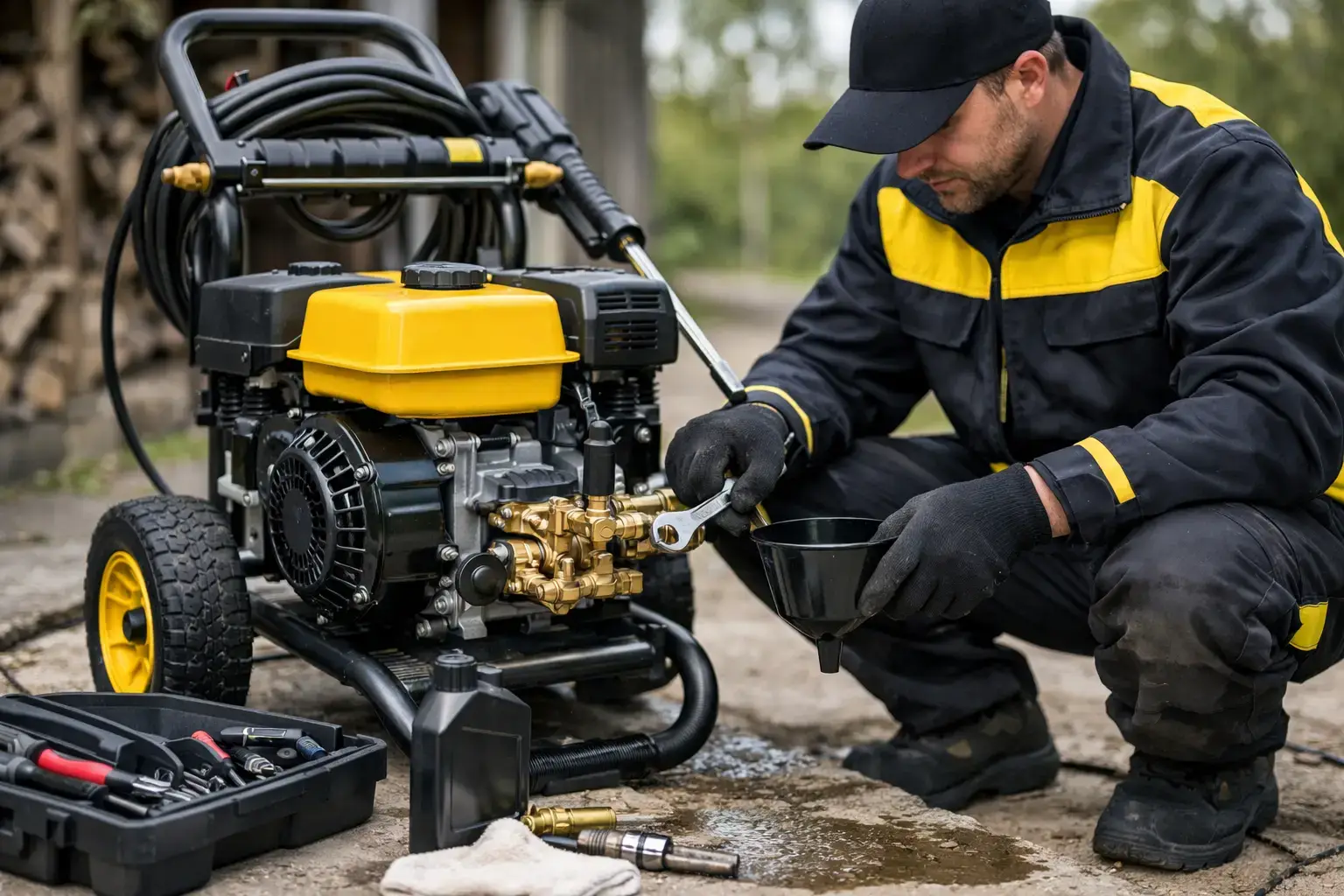
A pressure washer that loses pressure halfway through a driveway job is rarely failing without warning. A clogged nozzle, worn hose fitting, neglected inlet filter, or pump left with water inside can turn reliable equipment into a slow, frustrating cleanup. This pressure washer maintenance guide covers the checks that keep your machine ready for patios, farm equipment, vehicles, workshop floors, and demanding property work.
Pressure washers operate under extreme force. A small restriction on the water supply side can starve the pump, while a damaged seal on the high-pressure side can waste power and create a safety risk. Regular care is not complicated, but it must be consistent – especially if the machine works in dirty conditions or sits through freezing weather.
Start Every Job With a Fast Inspection
Before connecting water or starting the engine, give the machine a two-minute inspection. Check the high-pressure hose for cuts, flattened sections, exposed reinforcement, and damaged couplers. Do not tape a leaking high-pressure hose and put it back into service. Replace it. High-pressure water can penetrate skin and cause serious injury.
Inspect the spray gun, trigger lock, wand, and quick-connect fittings. The trigger should return cleanly, and every connection should lock firmly into place. Look at the nozzle tip as well. A nozzle with an enlarged or uneven opening produces a weak, poorly shaped spray pattern and makes cleaning take longer.
Next, inspect the water inlet screen. This small filter is one of the most overlooked parts of a pressure washer. Sand, rust, algae, and debris from a storage tank or garden hose can restrict flow and damage pump valves. Rinse the screen under clean water and replace it if it is torn or permanently clogged.
Use a supply hose that can deliver enough water for the washer. A long, narrow, kinked, or leaking hose may not keep up with the pump. If the machine is pulling from a tank, make sure the source is clean and the suction setup is approved for that model. The pump needs water volume, not just water pressure.
Correct Startup Protects the Pump
Never start a pressure washer with no water supply connected and flowing. The pump depends on water for cooling and lubrication. Running dry, even briefly, can damage seals, valves, and pistons.
Connect the inlet hose, turn on the water fully, and squeeze the trigger until water flows steadily from the wand. This purges trapped air from the hose and pump. Only then start the engine or switch on the motor.
Once operating, avoid leaving the engine running with the trigger released for long periods. In bypass mode, water circulates inside the pump and builds heat quickly. Many residential units should not sit in bypass for more than one or two minutes, though the exact limit depends on the model. If you need to move furniture, reposition a vehicle, or take a break, shut the machine down.
This habit matters most during large jobs. Pump damage often begins not while washing, but while the machine is idling with pressure trapped in the system.
After Each Use: Remove Dirt, Pressure, and Water
The fastest maintenance is done immediately after the job, before dirt dries into fittings and detergent hardens in the system. First, switch off the engine or motor. Turn off the water supply, then hold the trigger open until pressure is released.
Disconnect the high-pressure hose and inspect the connections for grit. Wipe the couplers clean before storing them. Dirt inside a quick-connect fitting can prevent a proper seal next time and cause leaks under pressure.
If detergent was used, flush the detergent pickup tube and system with clean water. Put the pickup tube into a container of clean water and run the washer at low pressure until no soap remains. Detergent residue can clog the injector, especially after storage.
Coil the hose loosely. Tight coils, sharp bends, and storing the hose under heavy equipment shorten its life. Keep the spray gun and wand off wet ground, where sand can enter fittings or scratch nozzle tips.
For gasoline-powered models, wipe away fuel spills, check for oil leaks, and remove packed mud or grass around the engine cooling area. A clean machine is easier to inspect and less likely to overheat during the next hard job.
Pressure Washer Maintenance Guide: Weekly and Seasonal Checks
How often you service the machine depends on how it is used. A homeowner washing a deck twice a year needs less attention than a contractor cleaning vehicles and equipment every week. Still, a regular schedule prevents expensive surprises.
Check engine oil and air filtration
On gas-powered pressure washers, check the oil level before each extended use and change the oil at the interval listed in the engine manual. Change it sooner if the machine works in dusty, hot, or heavily loaded conditions. Use the correct engine oil grade for expected temperatures. Cold starts and summer operation may call for different oil recommendations.
Inspect the air filter regularly. A foam filter can often be cleaned and re-oiled if the manufacturer allows it; a paper element should be replaced when dirty or damaged. Do not run without an air filter. Dust entering the engine wears internal components fast.
Also inspect the spark plug at seasonal service time. Replace it if the electrode is worn, the insulator is cracked, or deposits remain after cleaning. A fresh plug is inexpensive insurance for easier starting.
Clean nozzles and protect fittings
A partially blocked nozzle is a common reason for pulsing pressure or an uneven fan pattern. Shut down the washer, release pressure, remove the nozzle, and use the supplied cleaning pin or a proper nozzle tool to clear debris. Flush from the outside of the nozzle toward the inlet when possible so debris does not get driven deeper inside.
Do not enlarge the opening with wire, drill bits, or improvised tools. Nozzle size controls pressure and flow. A damaged nozzle can overload the pump or reduce cleaning performance.
Apply a light, appropriate lubricant to O-rings in quick-connect fittings when they look dry. Replace flattened, split, or missing O-rings promptly. Keep spare O-rings on hand; they are small parts that can stop a full day of work.
Inspect pump mounting and vibration points
Vibration loosens hardware over time. Check that the engine, pump, handle, wheels, and hose reel hardware are secure. Look for cracks in the frame and fuel tank mounts. If the machine begins vibrating more than usual, do not ignore it. A loose mount, bent component, or engine issue can become worse quickly under load.
Winter Storage Is Pump Protection
Freezing water expands with enough force to crack a pump manifold, hose, gun, or fitting. In cold conditions, draining the washer is not always enough because water remains in internal passages. If the unit will be stored where temperatures can drop below freezing, use pump antifreeze or pump saver designed for pressure washer systems.
After disconnecting the water supply and releasing pressure, follow the pump-protection product instructions to push the solution through the inlet until it appears at the outlet. This coats internal pump components, displaces remaining water, and helps prevent seals from drying out.
For gasoline models stored longer than a month, stabilize the fuel according to the fuel stabilizer instructions or drain the system as recommended by the engine manufacturer. Old fuel causes hard starts, rough running, and carburetor deposits. Store the machine in a dry location with the fuel valve closed, where applicable.
Battery-equipped electric-start models also need attention. Keep the battery charged as required by the model and protect it from deep cold when practical. A ready machine is more useful than one that needs fuel-system repairs when spring cleanup arrives.
Know When a Problem Is Maintenance and When It Is a Repair
Low pressure does not automatically mean the pump has failed. Start with the simple causes: confirm the water supply is fully open, remove kinks from the inlet hose, clean the inlet screen, and inspect or clean the nozzle. Air leaks on the inlet side can also cause pulsing or inconsistent pressure.
If water leaks from the pump body, the oil looks milky, the machine makes abnormal knocking sounds, or pressure remains low after basic checks, stop using it and inspect the pump more closely. Continued operation can turn a seal or valve issue into major damage.
Champion Baltics customers who keep common service items ready – pump protection fluid, engine oil, air filters, spark plugs, O-rings, nozzles, and replacement hoses – spend less time waiting when a small part wears out. Match parts and accessories to the specific pressure washer model and pressure rating. A fitting that looks similar is not always safe for the same flow or pressure.
Make Readiness Part of the Job
Pressure washer maintenance is not about polishing equipment after every use. It is about protecting the pump, engine, hose, and fittings that let the machine work when the job cannot wait. Inspect it before starting, flush it after detergents, prevent freeze damage, and replace worn parts before they fail under pressure. That small routine keeps cleaning power available for the next driveway, machine, roofline, or hard-use property job.
