







Blog
When to Replace Generator Oil: A Clear Schedule

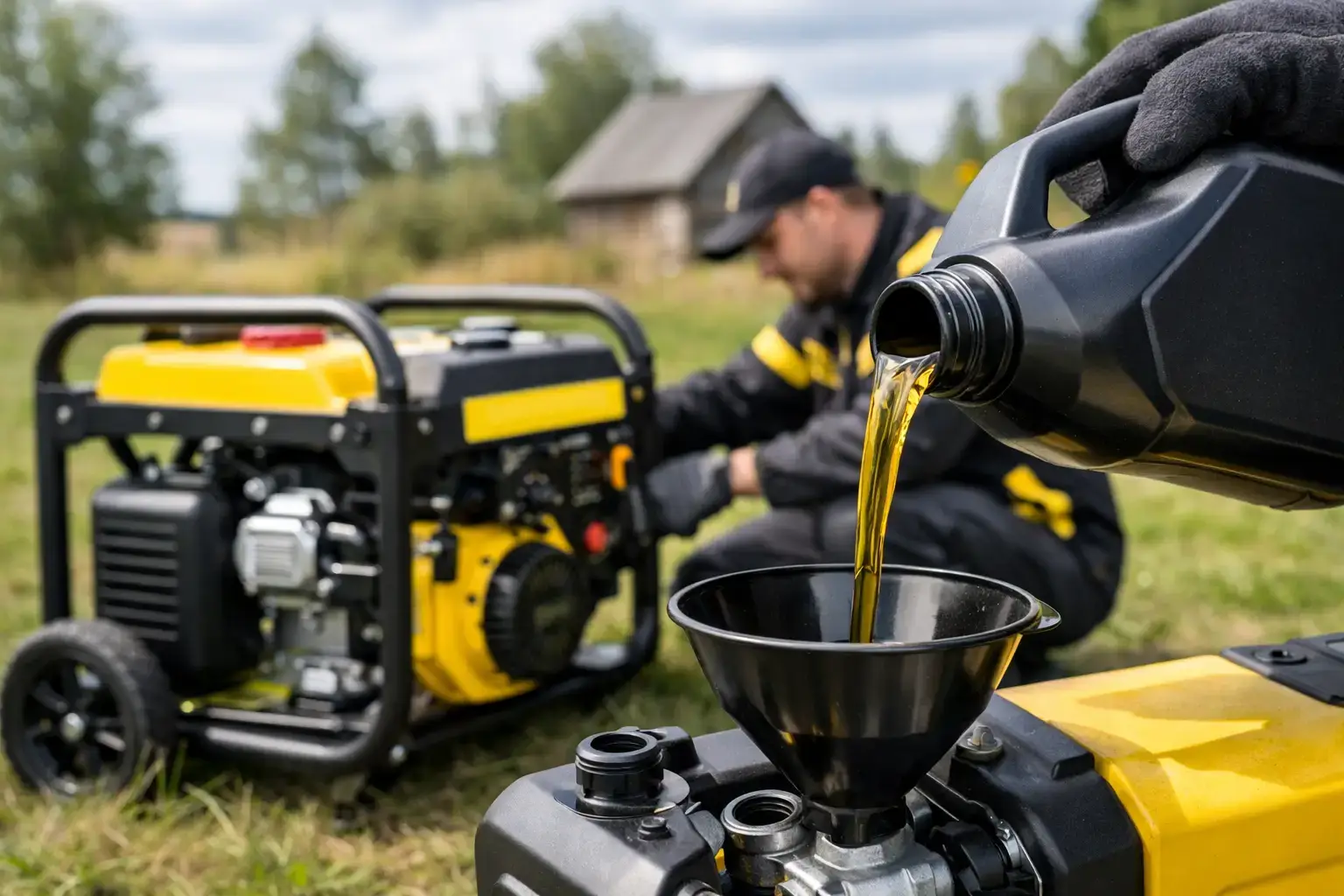
A generator that starts easily but runs low on old, contaminated oil is not ready for a real outage. Knowing when to replace generator oil protects the engine components that keep your backup power, workshop tools, pumps, and field equipment running when there is no room for failure.
Oil changes are simple maintenance, but the correct interval depends on more than the calendar. Runtime hours, temperature, load, storage conditions, and the type of work all affect how quickly oil breaks down. A generator used for a few emergency hours each year needs different attention than one powering a jobsite or rural property every week.
When to replace generator oil
For most portable generators, the first oil change comes early – often after the initial 5 hours of operation. This first service removes the fine metal particles and assembly residue that can circulate while a new engine is breaking in. Check your generator’s owner’s manual for its exact first-change requirement, since the manufacturer’s schedule always takes priority.
After break-in, a common working interval is every 50 hours of use or once per year, whichever comes first. That is a dependable baseline for many gasoline inverter and conventional portable generators. If your model manual specifies a different interval, follow the manual.
Hours matter more than months for a generator that works regularly. Use the hour meter if your unit has one, or keep a simple service note with the date, running hours, oil type, and amount added. During an outage, it is easy to lose track of runtime. That small record prevents guesswork later.
For light emergency use, annual replacement is still smart even if the engine has run only a few hours. Oil can absorb moisture during storage, especially where temperatures swing through freezing and thawing conditions. Fresh oil before a cold-weather season gives the engine a better start when you need power most.
Change it sooner under hard use
A 50-hour schedule is not a free pass to ignore conditions. Replace the oil earlier when the generator runs long shifts, works under high load, operates in dusty locations, or repeatedly starts and stops in cold weather.
A generator powering heavy tools near its rated output runs hotter than one charging batteries or operating a few lights. Heat speeds up oil oxidation and reduces its ability to protect internal parts. Dusty construction areas, farms, forestry work, and roadside jobs can also introduce debris around the engine and air intake. Good air-filter maintenance helps, but it does not eliminate the need for more frequent oil service.
Short runs can be hard on the oil too. If you start the generator briefly every few weeks without allowing it to warm up fully, moisture and fuel vapor may remain in the crankcase. A proper exercise run under a moderate load is better for the machine than repeated two-minute starts.
Signs generator oil should be replaced now
Do not wait for the scheduled interval if the oil gives you a reason to act. Check the oil level before each use or at least every 8 hours of operation during extended runtime. With the generator on level ground and the engine off, inspect both the amount of oil and its condition.
Dark oil alone does not always mean it has failed. Engine oil naturally darkens as it carries combustion byproducts. However, oil that looks unusually thick, gritty, milky, foamy, or smells strongly of gasoline should be changed immediately. Milky oil can indicate water contamination, while a fuel smell may point to fuel dilution from repeated short runs, flooding, or a carburetor issue.
Low oil is a separate problem. Many generators have a low-oil shutoff system, but that protection is not a maintenance plan. Running below the proper level can cause overheating, poor lubrication, and engine damage before a shutdown condition becomes obvious. If the level is low, top it up with the correct oil and look for the cause. A leak, excessive consumption, or a generator stored at an angle needs attention.
Replace the oil immediately after a suspected contamination event, such as rainwater entering an improperly stored generator, fuel spilling into the crankcase, or prolonged operation in exceptionally dusty conditions. The cost of fresh oil is small compared with an engine repair or a generator that will not carry a load during an outage.
Choosing the right generator oil
Use the viscosity and oil classification listed in your owner’s manual. Many portable generators use four-stroke engine oil such as SAE 10W-30 for moderate operating temperatures. In colder conditions, a full synthetic 5W-30 may provide easier starting and better flow at low temperatures if the manual approves it.
The right choice depends on where and when you use the generator. A unit kept for winter backup power in Estonia, Latvia, or Lithuania may benefit from a cold-weather-approved synthetic oil. A generator that runs hard in summer heat may require a different viscosity range. Do not choose oil only by what is already on the shelf.
Never use two-stroke oil in a four-stroke generator engine. Also avoid mixing random leftover oils unless you know they meet the required viscosity and service rating. Use a clean, sealed container and a clean funnel. Dirt introduced during an oil change defeats the purpose of doing the service.
How to change generator oil safely
Run the generator for a few minutes first if it has been sitting. Warm oil drains more completely than cold oil, but the engine and oil should not be hot enough to burn you. Shut the generator down, turn the fuel supply off if your model has a valve, disconnect all loads, and let the machine stabilize on firm, level ground.
Place a drain pan under the drain plug or service drain. Remove the oil fill cap or dipstick to allow air into the crankcase, then remove the drain plug carefully. Let the oil drain fully. Inspect the plug and sealing washer for damage before reinstalling them securely. Do not overtighten threads in an aluminum engine case.
Add oil slowly, then check the level according to the dipstick instructions in the manual. Some dipsticks are checked without threading them in, while others have a different procedure. Overfilling can cause smoking, leaks, or poor running just as surely as underfilling can damage the engine.
After the oil change, start the generator and let it run briefly with no load. Shut it down, check for leaks, wait a moment, and verify the level once more. Record the service hours and date before putting the generator back into storage or service.
Do not forget used oil disposal
Collect used oil in a sealed container and take it to an approved collection point. Never pour it onto soil, into a drain, or into a fire pit. Keep oily rags away from ignition sources and dispose of them according to local requirements.
A maintenance routine that keeps power ready
Oil replacement works best as part of a basic readiness check. Before the season or before a planned remote job, inspect the oil level, air filter, spark plug condition, fuel supply, battery if equipped, recoil starter, and power outlets. Run the generator under a sensible load so you know it can carry real equipment, not just idle in the driveway.
For dual-fuel generators, remember that fuel choice affects storage planning but does not change the need for engine oil service. Whether you run gasoline or propane, the engine still needs clean oil at the correct level. For diesel generators, use the maintenance interval and oil specification set by that engine manufacturer.
Champion Baltics customers often choose portable power for homes, workshops, land, and remote work where help is not close by. In those situations, fresh oil is one of the simplest ways to protect the equipment you depend on. Change it on schedule, keep a spare approved oil supply with the generator, and your next start will be one less thing to worry about.
